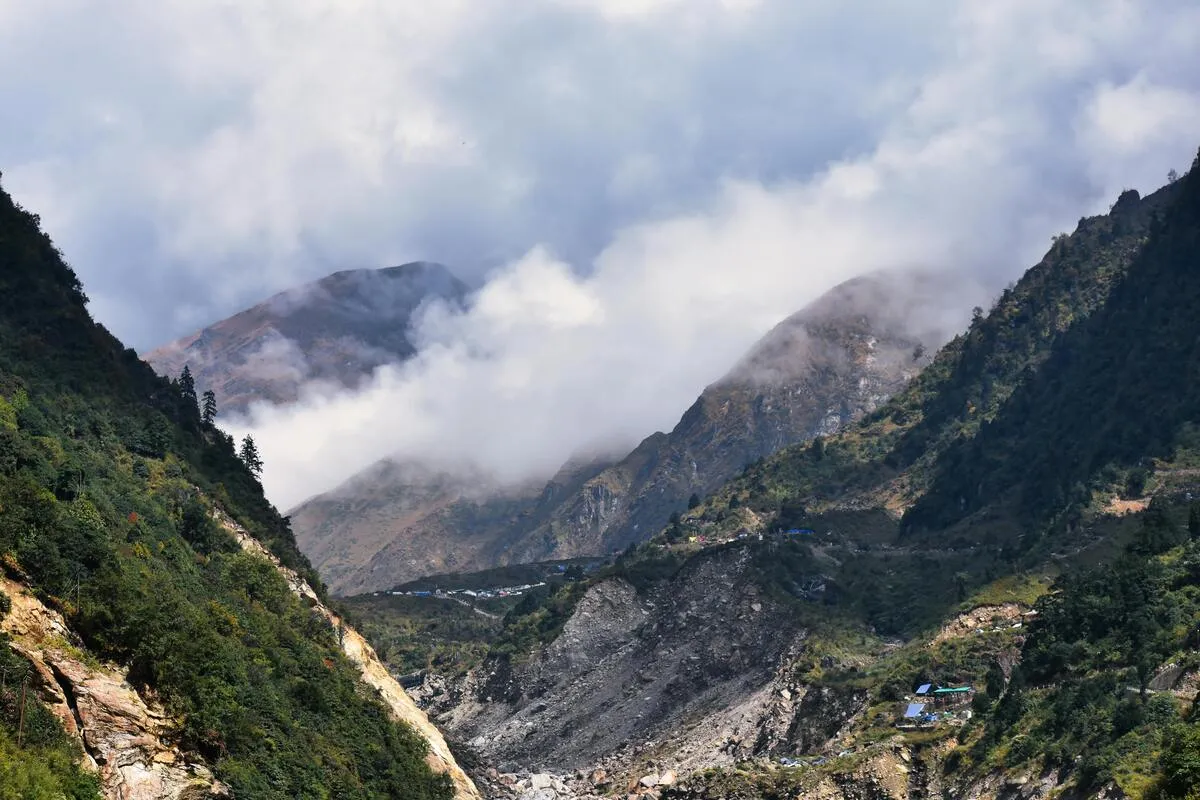
Why Uttarakhand Is Seeing More Landslides Than Ever — What’s Changing in the Himalayas?
Introduction
If you’ve followed the news over the past few years, you’ve probably noticed something worrying. Every monsoon season, headlines repeat themselves: another landslide in Uttarakhand, roads blocked, villages cut off, pilgrims stranded, homes damaged.
It almost feels normal now — as if landslides have become just another monsoon headline.
But they shouldn’t feel normal. And that’s exactly why this matters.
Landslides in Uttarakhand are not just increasing in number — they’re becoming more destructive. And the real reason isn’t just “heavy rain.” Something deeper is changing in the Himalayas.
Let’s understand what’s really happening.
Why Is Uttarakhand So Prone to Landslides?
First, we need to understand one basic fact:
The Himalayas are young mountains.
Unlike older mountain ranges in other parts of the world, the Himalayas are still rising. They were formed when the Indian tectonic plate collided with the Eurasian plate — and that collision is still ongoing.
This makes the region naturally fragile.
The rocks are not fully stable. Slopes are steep. Soil layers are loose in many areas. When pressure builds — from rain, construction, or earthquakes — the land gives way.
So yes, landslides have always happened here.
But the frequency today tells us something has changed.
1. Climate Change Is Making Rainfall More Intense
One of the biggest reasons landslides are increasing is extreme weather.
Earlier, rainfall in the hills used to be more spread out. Now, we see short bursts of extremely heavy rainfall — sometimes called cloudbursts.
When intense rain falls in a short time:
- The soil becomes saturated quickly
- Water seeps into cracks in rocks
- Slopes lose grip
- Entire sections collapse
The Himalayas are warming faster than many other regions in the world. Warmer air holds more moisture. More moisture means heavier rainfall events.
And heavy rainfall on fragile slopes is a dangerous combination.
This is why many recent Uttarakhand landslides are directly linked to intense monsoon patterns.
The way the mountains shape and control the Indian monsoon also plays a huge role — something we explored in How the Himalayas Shape the Indian Monsoon – Nature’s Weather Barrier.
Extreme rainfall patterns are also linked to how the Himalayas influence weather systems across the region, something we’ve explained in detail in our guide on How the Himalayas Shape Climate Across South Asia – Effects on Rain, Temperature & Life.
2. Road Widening and Mountain Cutting
Let’s be honest.
Development is necessary. Roads improve connectivity. Tourism supports livelihoods. Pilgrimage routes are important for millions of people.
Projects connected to the Char Dham Yatra: A Lifeline for Local Economy, a Strain on Himalayan Ecology have especially increased infrastructure pressure in sensitive zones.
But how we build matters.
In recent years, large-scale road widening projects have involved cutting deep into mountain slopes. Blasting, drilling, and removing support layers weakens the natural structure of hills.
When you cut into a slope:
- You remove the trees holding soil together
- You disturb rock balance
- You expose loose layers
Now imagine heavy rain hitting that exposed slope.
The result? Collapse.
Many experts have warned that unplanned construction in fragile Himalayan terrain increases landslide risk significantly.
It’s not development that is the problem.
It’s unsustainable development.
3. Deforestation Is Reducing Natural Protection
Trees are not just part of the scenery.
Their roots act like a natural net, holding soil in place. Forest cover reduces surface runoff. It absorbs water slowly and stabilizes slopes.
When forests are cleared:
- Soil becomes loose
- Rainwater flows faster
- Erosion increases
- Slopes weaken
Uttarakhand has seen changes in land use — especially near highways, tourist spots, and expanding towns.
Less forest cover means less natural protection.
And the Himalayas depend heavily on that protection.
The region is considered one of the most fragile mountain ecosystems in the world, something we’ve discussed in Fragile Himalayan Ecosystems: What We’re Losing Faster Than We Realize.
4. Rapid Urban Expansion in Hill Towns
Hill towns are expanding quickly.
More hotels. More guest houses. More parking areas. More concrete.
But mountains are not plains.
Flat land is limited. So construction often happens on slopes, sometimes without proper drainage systems.
Water mismanagement is a hidden factor behind many landslides.
If rainwater doesn’t drain properly:
- It seeps into slopes
- Increases pressure
- Weakens foundations
When construction happens without checking how stable the slope actually is, the mountain eventually responds — and not gently.
5. Glacial Melting Is Changing Mountain Stability
Another silent factor is glacier melt.
The Himalayas are home to thousands of glaciers. Rising temperatures are causing them to shrink.
When glaciers melt:
- New glacial lakes form
- Permafrost weakens
- Soil and rock structure changes
This increases the chances of slope failures in high-altitude regions.
In some cases, glacial lake outburst floods (GLOFs) can trigger landslides downstream.
Climate change is not just about temperature.
We are already seeing its impact on snowfall patterns too, as explained in Why the Himalayas Are Getting Less Snow Than Before (And Why It Matters).
It’s about changing the entire balance of the Himalayan ecosystem.
Are Landslides Really Increasing?
If we look at recent years, data and reports show a noticeable rise in landslide incidents during monsoon seasons.
And it’s not only about how often landslides happen — it’s about how destructive they’ve become.
Roads are getting blocked for longer durations. Rescue operations are becoming more common. Villages are experiencing repeated slope failures.
This indicates that the mountains are under stress.
And that stress is building.
What Happens If This Continues?
If current trends continue, we could see:
- More frequent road closures
- Tourism disruptions
- Increased risk to pilgrims
- Water source contamination
- Displacement of hill communities
Uttarakhand’s economy depends heavily on tourism and pilgrimage routes. Landslides directly affect livelihoods.
More importantly, they threaten lives.
And rebuilding after every monsoon is not a long-term solution.
Can Landslides Be Prevented?
Not completely.
The Himalayas will always be naturally dynamic.
But risk can be reduced.
Here’s how:
1. Scientific Construction Planning
Before cutting slopes, proper geological surveys should be mandatory.
2. Controlled Road Expansion
Slope stabilization methods like retaining walls, proper drainage, and vegetation restoration can reduce risk.
3. Reforestation
Planting native species strengthens soil binding.
4. Better Drainage Systems
Water management is critical in hilly regions.
5. Climate Action
Reducing global warming helps slow extreme weather patterns.
Prevention isn’t about stopping nature.
It’s about respecting it.
The Bigger Question: Are We Listening to the Mountains?
The Himalayas are often called the “water tower of Asia.” They supply rivers that support millions of people, as we’ve detailed in Himalayan Rivers: Origin, Importance & Climate Change Threats in India.
When landslides increase, it’s not just a local issue.
It’s a signal.
A signal that the balance between nature and development is shifting.
Uttarakhand’s rising landslides are not random events. They are connected to climate change, infrastructure choices, deforestation, and fragile geology.
The mountains are not collapsing suddenly.
They are responding to pressure.
Frequently Asked Questions About Landslides in Uttarakhand
1. Why are landslides increasing in Uttarakhand?
Landslides are increasing due to a combination of extreme rainfall, climate change, road construction, deforestation, and the naturally fragile geology of the Himalayas. Heavy monsoon patterns and rapid development in mountain regions have made slopes more unstable than before.
2. Is climate change responsible for Himalayan landslides?
Climate change is a major factor. Warmer temperatures lead to more intense rainfall and glacier melting. When heavy rain falls in a short time, it weakens mountain slopes and increases the risk of landslides.
3. Why are the Himalayas more vulnerable to landslides?
The Himalayas are young fold mountains, which means their rocks and slopes are still unstable. The region is naturally prone to earthquakes, erosion, and heavy rainfall — all of which increase landslide risk.
4. Do road construction projects increase landslide risk?
Yes, in many cases they do. Cutting into mountain slopes, blasting rocks, and removing trees can weaken natural support systems. Without proper slope stabilization and drainage planning, landslide risk increases significantly.
5. Can landslides in Uttarakhand be prevented?
Landslides cannot be completely prevented because they are natural processes. However, better planning, controlled construction, reforestation, and improved drainage systems can reduce the risk and damage.
6. Which season has the highest landslide risk in Uttarakhand?
The monsoon season (June to September) has the highest risk because of heavy rainfall. However, extreme weather events outside the monsoon period are also becoming more common.
Final Thoughts
Landslides in Uttarakhand are increasing for a reason.
What we’re witnessing isn’t random. It’s not just heavy rain or bad luck. It’s a layered crisis — shaped by climate pressure, rapid construction, reduced forest cover, and the natural fragility of the Himalayas.
It’s a combination of:
- Extreme climate patterns
- Mountain cutting
- Reduced forest cover
- Rapid expansion
- Geological fragility
The Himalayas are powerful, but they are not indestructible.
If development continues without ecological balance, landslides may become even more frequent.
The question is not whether mountains will move.
The mountains are already warning us.
The real question is — are we paying attention?
Related Articles
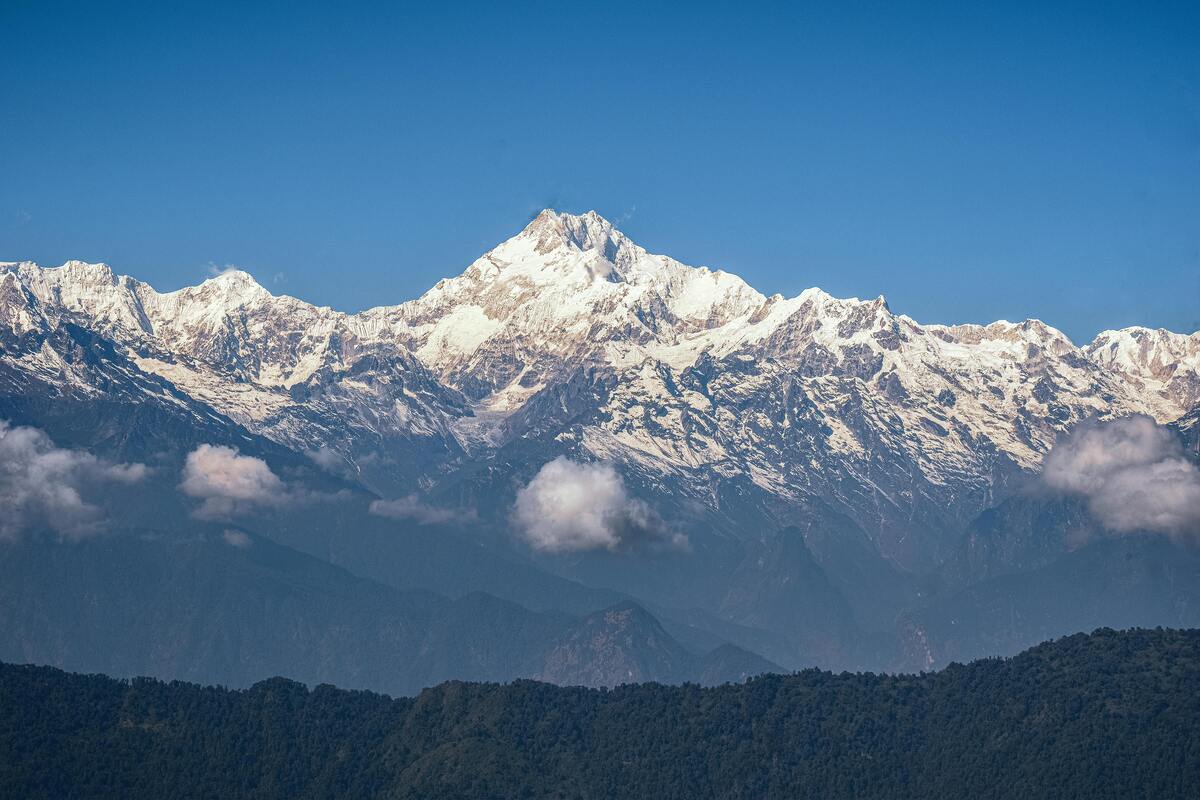
Why Himadri is the Highest Himalayan Range (Explained in a Simple Way)
Why is Himadri higher than other Himalayan ranges? Discover the simple reasons behind its height with an easy, beginner-friendly explanation.
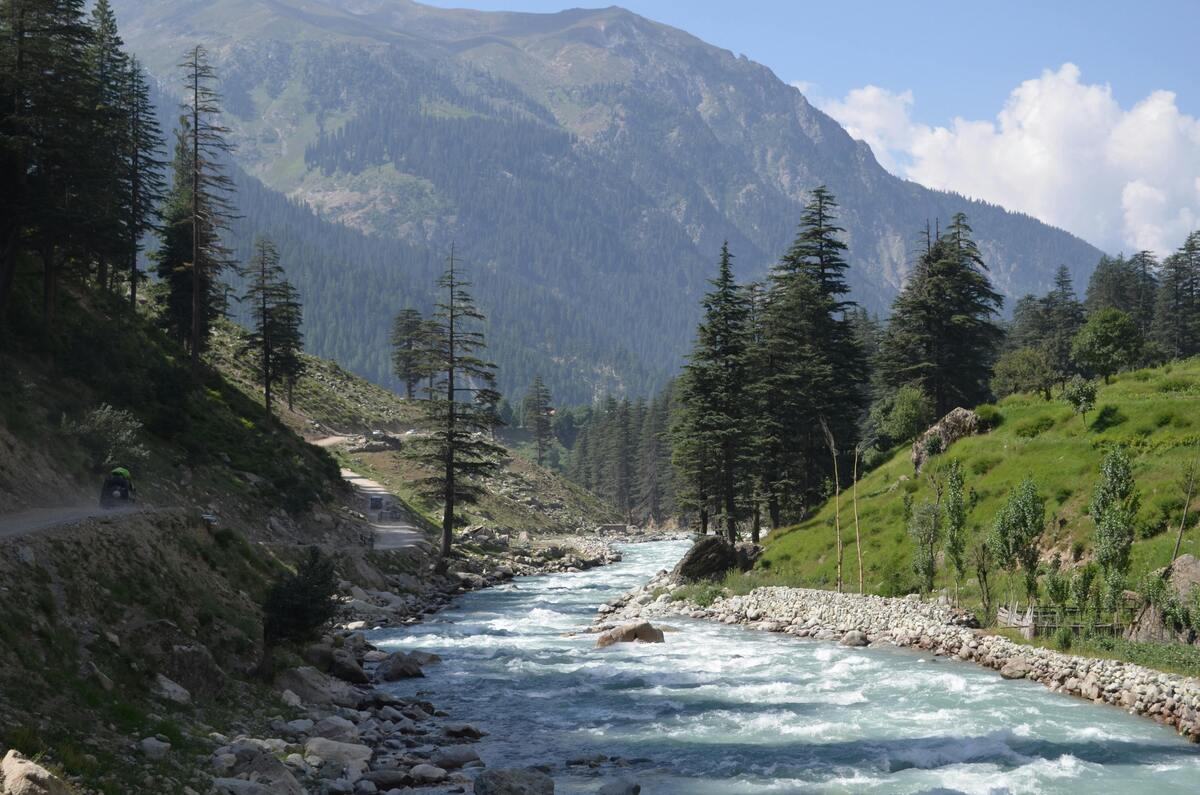
Climate Change Impact on Himalayan Rivers
Climate change is rapidly affecting Himalayan rivers like the Ganges, Brahmaputra, and Indus. Learn how glacier melting, changing rainfall, and floods threaten water security for nearly 2 billion people.
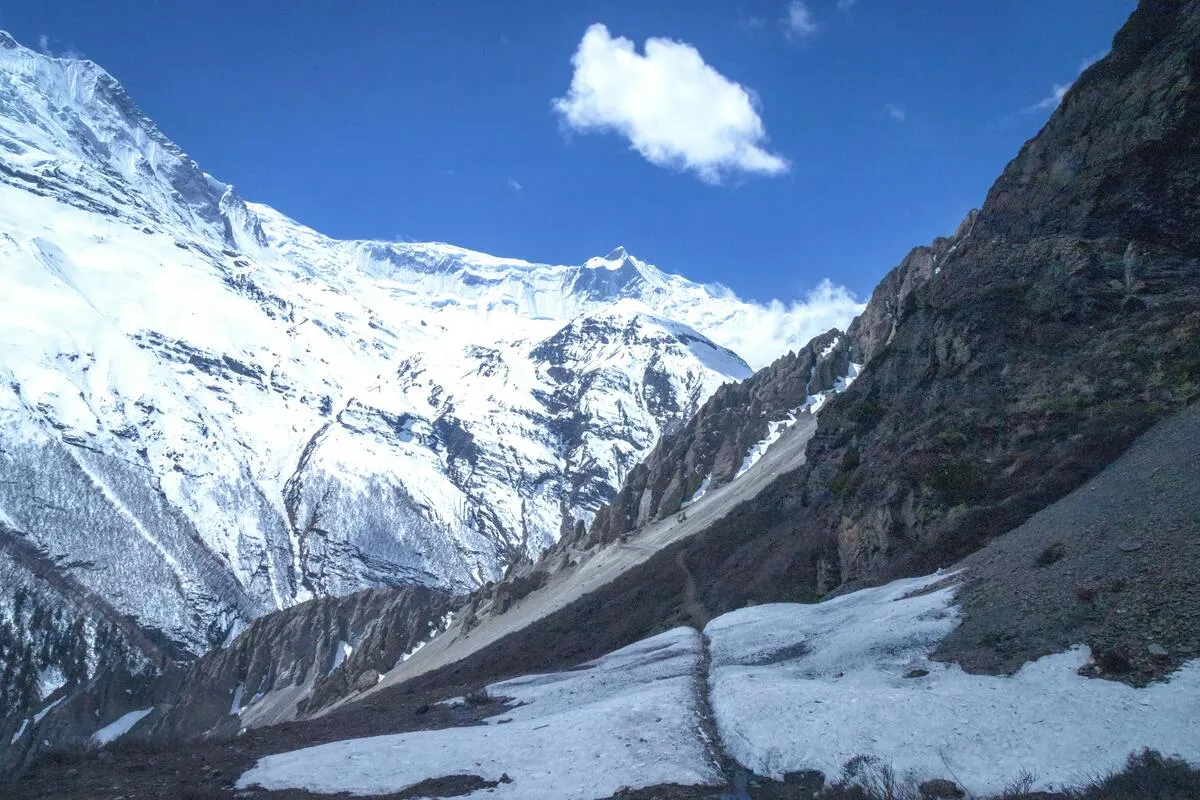
Why Himalayan Glaciers Are Melting Faster Than Ever — And Why the World Should Care
Himalayan glaciers are melting faster than ever. Discover the real causes, scientific warnings, and what glacier loss means for rivers, communities, and climate.