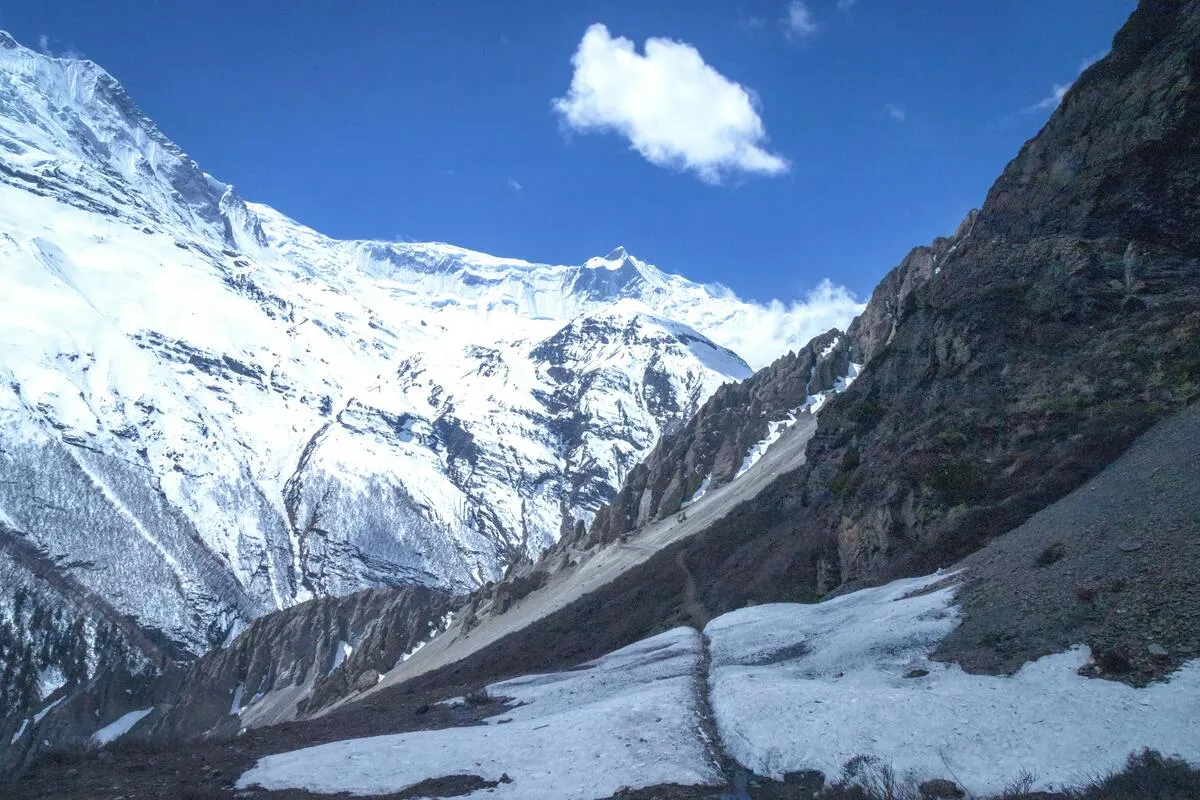
Why Himalayan Glaciers Are Melting Faster Than Ever — And Why the World Should Care
For centuries, the Himalayas have stood tall — silent, cold, and powerful. They store one of the largest reserves of ice outside the Arctic and Antarctica. That’s why many scientists call this region the “Third Pole.”
But something is changing.
If you look closely at satellite images or speak to local mountain communities, a worrying pattern appears: the ice is shrinking. Glaciers that once seemed permanent are pulling back. Snow lines are shifting higher. Glacial lakes are growing.
So what’s really happening?
Why are Himalayan glaciers melting faster than ever? And what does this mean for the people, rivers, and ecosystems that depend on them?
Let’s break it down in a simple, human way.
First, What Exactly Is a Glacier?
A glacier is not just frozen water. It’s a slow-moving river of ice formed over hundreds or even thousands of years. Snow falls, compresses, and slowly turns into dense ice. Over time, gravity pulls it downhill.
In the Himalayas, these glaciers feed some of Asia’s biggest rivers. Millions of people depend on this meltwater for drinking, farming, and electricity.
One well-known example is the Gangotri Glacier in Uttarakhand. It is one of the primary sources of the Ganga. Over the last few decades, researchers have recorded steady retreat in its length.
And it’s not alone.
Are All Himalayan Glaciers Melting?
Short answer: most of them are shrinking, but not all at the exact same speed.
Some glaciers in the eastern Himalayas are melting faster. Others in colder, higher regions may still be relatively stable. But overall, studies show a clear trend — the region is losing ice mass.
Reports from organizations like the Intergovernmental Panel on Climate Change confirm that mountain glaciers across Asia are thinning and retreating due to rising temperatures.
The Himalayas are warming faster than the global average.
That’s a big deal.
The Main Reason: Rising Temperatures
Let’s start with the most obvious cause.
The Earth is getting warmer because of greenhouse gas emissions from vehicles, factories, power plants, and deforestation. This global warming does not affect every region equally.
Mountain areas often warm faster.
Why?
Because snow and ice reflect sunlight. When they melt, darker rock or soil gets exposed. Dark surfaces absorb more heat. This creates a cycle — more heat causes more melting, which leads to even more heat absorption.
Scientists call this a “feedback loop,” but you can think of it simply as a snowball effect — just in reverse.
The Himalayas are experiencing this amplified warming.
And glaciers cannot survive long-term in rising temperatures.
Black Carbon: The Hidden Accelerator
Not all melting is caused by temperature alone.
There’s another factor that many people don’t talk about enough: black carbon.
Black carbon comes from:
- Diesel engines
- Industrial pollution
- Crop burning
- Forest fires
- Traditional cooking fuels
These tiny black particles travel through the air and settle on snow and ice. When white snow becomes darker, it absorbs more sunlight instead of reflecting it.
Imagine wearing a black shirt on a hot day versus a white one.
Which gets hotter?
That’s what’s happening to glaciers.
This pollution speeds up melting, especially in regions close to urban areas or heavy human activity.
Changing Snowfall Patterns
Glaciers depend on snowfall to survive.
Every winter, fresh snow adds a new layer. This helps glaciers rebuild and maintain their mass. But in recent years, snowfall patterns have become unpredictable.
Some winters are shorter. Some bring less snow. Some bring rain instead of snow.
Rain on ice can actually increase melting.
When glaciers lose more ice in summer than they gain in winter, they begin to shrink permanently.
That’s what scientists are observing across much of the Himalayan region.
Rapid Development in Mountain Regions
The Himalayas are no longer isolated.
Road construction, tourism growth, hydropower projects, and expanding towns are changing the landscape. While development is important, it also brings environmental stress.
Blasting mountains for roads, cutting forests, and increasing traffic contribute to:
- Higher local temperatures
- More pollution
- Increased landslide risk
- Disturbed natural drainage patterns
All of this indirectly affects glaciers and surrounding ecosystems.
It’s not just about global climate change. Local decisions matter too.
What Happens If Glaciers Keep Melting?
At first, glacier melt increases river flow. This might seem like a good thing.
But it’s temporary.
Glaciers act like natural water storage tanks. They release water slowly over time. If too much ice disappears, rivers may eventually receive less water — especially during dry seasons.
Major rivers like the Ganges River and the Indus River depend partly on glacier melt.
Hundreds of millions of people rely on these rivers.
If glacier loss continues, the long-term impact could include:
- Water shortages
- Agricultural disruption
- Increased conflict over water resources
- Economic instability in downstream regions
This is not just an environmental issue. It’s a social and economic one too.
The Growing Risk of Glacial Lake Outburst Floods (GLOFs)
As glaciers melt, they leave behind large pools of water called glacial lakes.
These lakes are often held back by weak natural dams made of ice or loose rock. If the dam collapses, a sudden and powerful flood can rush downstream.
This is called a Glacial Lake Outburst Flood.
In recent years, scientists have identified an increase in potentially dangerous glacial lakes in the Himalayas.
For mountain communities living downstream, this risk is very real.
Floods can destroy homes, roads, bridges, and farmland within minutes.
Climate change doesn’t just mean slow change. Sometimes, it means sudden disasters.
Are We Seeing This With Our Own Eyes?
Yes.
Local villagers in Uttarakhand, Himachal Pradesh, Nepal, and Bhutan often report:
- Streams appearing where there were none before
- Snow melting earlier in spring
- Reduced snowfall compared to childhood memories
- Increased landslides after heavy rainfall
Satellite images confirm these observations.
What was once permanent ice is now exposed rock in many areas.
The changes are visible — not theoretical.
Why Himalayan Glacier Melt Is a Global Issue — Not Just a Regional One
The Himalayas feed some of Asia’s largest river systems. These rivers support nearly two billion people across countries like India, Nepal, Pakistan, Bangladesh, and China.
When Himalayan glaciers melt rapidly, the impact goes beyond mountain villages.
It affects:
- Food production in South Asia
- Hydropower generation
- Urban water supply
- Regional economic stability
- Climate migration patterns
According to assessments referenced by the Intergovernmental Panel on Climate Change, mountain glacier loss is one of the most serious long-term climate risks for densely populated regions.
This is not just about disappearing ice.
It’s about water security for nearly a quarter of the world’s population.
Is It Too Late to Stop It?
This is the question many people ask.
The honest answer: we cannot stop all glacier melting immediately. Some of it is already locked in because of past emissions.
But we can slow it down.
Reducing greenhouse gas emissions globally is essential. Transitioning to clean energy, protecting forests, improving public transport, and reducing pollution can make a difference.
Locally, mountain regions can focus on:
- Sustainable tourism
- Strong environmental regulations
- Better waste management
- Protecting natural vegetation
- Monitoring glacial lakes
Every action counts.
Why Should Someone Outside the Himalayas Care?
You might be thinking — what if I don’t live near the mountains?
Here’s why it matters:
The Himalayas influence:
- River systems across South Asia
- Food production
- Climate patterns
- Biodiversity
- Sea-level contributions (indirectly through global warming trends)
Climate systems are connected. What happens in the mountains does not stay in the mountains.
The melting of Himalayan glaciers is part of a much bigger global climate story.
A Quiet Crisis, But Not Invisible
Unlike a storm or an earthquake, glacier melting is slow. It doesn’t grab headlines every day.
But it is steady.
And it is accelerating.
Scientists warn that if global warming continues at its current pace, a significant portion of Himalayan glaciers could disappear by the end of this century.
That would permanently change the landscape of the region.
Mountains that inspired poetry, faith, culture, and livelihoods for centuries could look very different.
So, Why Are Himalayan Glaciers Melting Faster Than Ever?
If we summarize everything in simple terms:
- The region is warming faster than the global average.
- Pollution like black carbon speeds up melting.
- Snowfall patterns are changing.
- Development and deforestation add pressure.
- Climate change is amplifying natural processes.
It’s not one single cause.
It’s a combination of global and local factors working together.
Final Thoughts
The Himalayas have always symbolized strength and permanence.
But even the strongest natural systems have limits.
Glaciers are like silent storytellers. They record climate history in layers of ice. Today, their rapid melting is telling us something important — that the planet is warming, and the consequences are real.
This isn’t just about ice.
It’s about water.
It’s about communities.
It’s about the future of an entire region.
The good news? Awareness is growing. Science is improving. Solutions exist.
The real question is whether we will act fast enough.
Related Articles
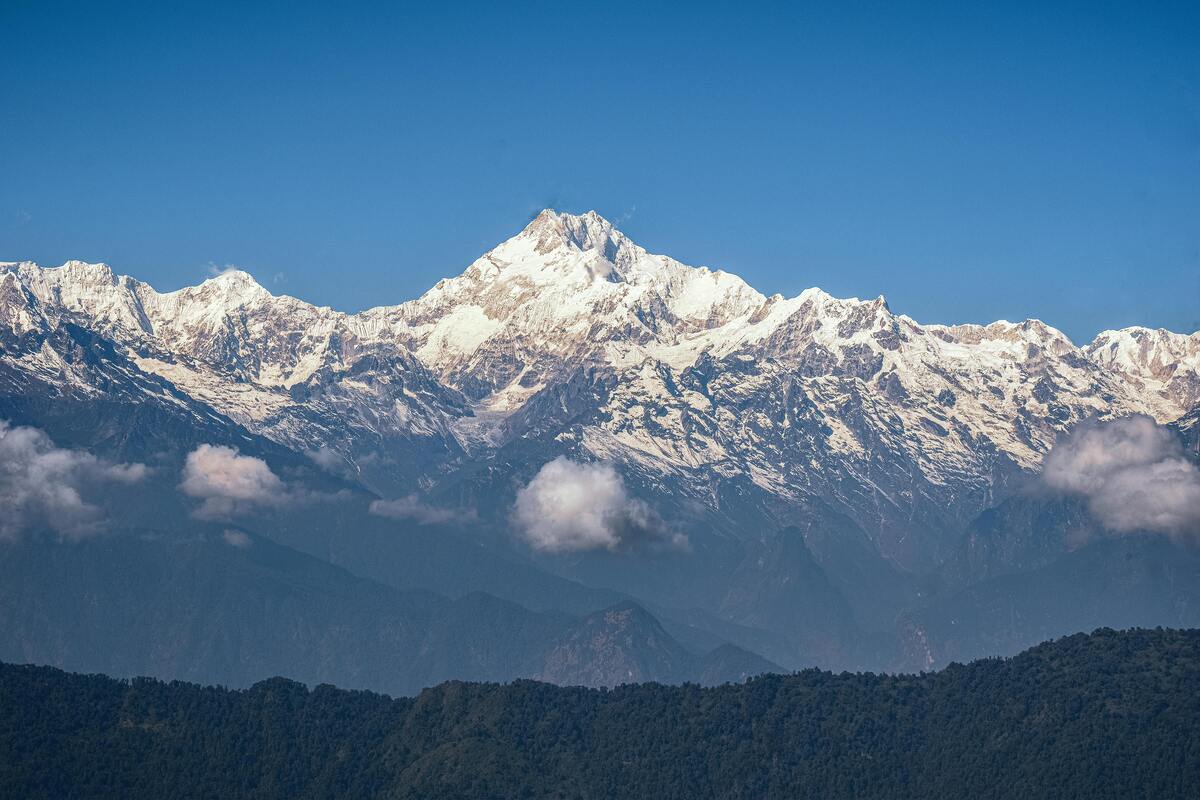
Why Himadri is the Highest Himalayan Range (Explained in a Simple Way)
Why is Himadri higher than other Himalayan ranges? Discover the simple reasons behind its height with an easy, beginner-friendly explanation.
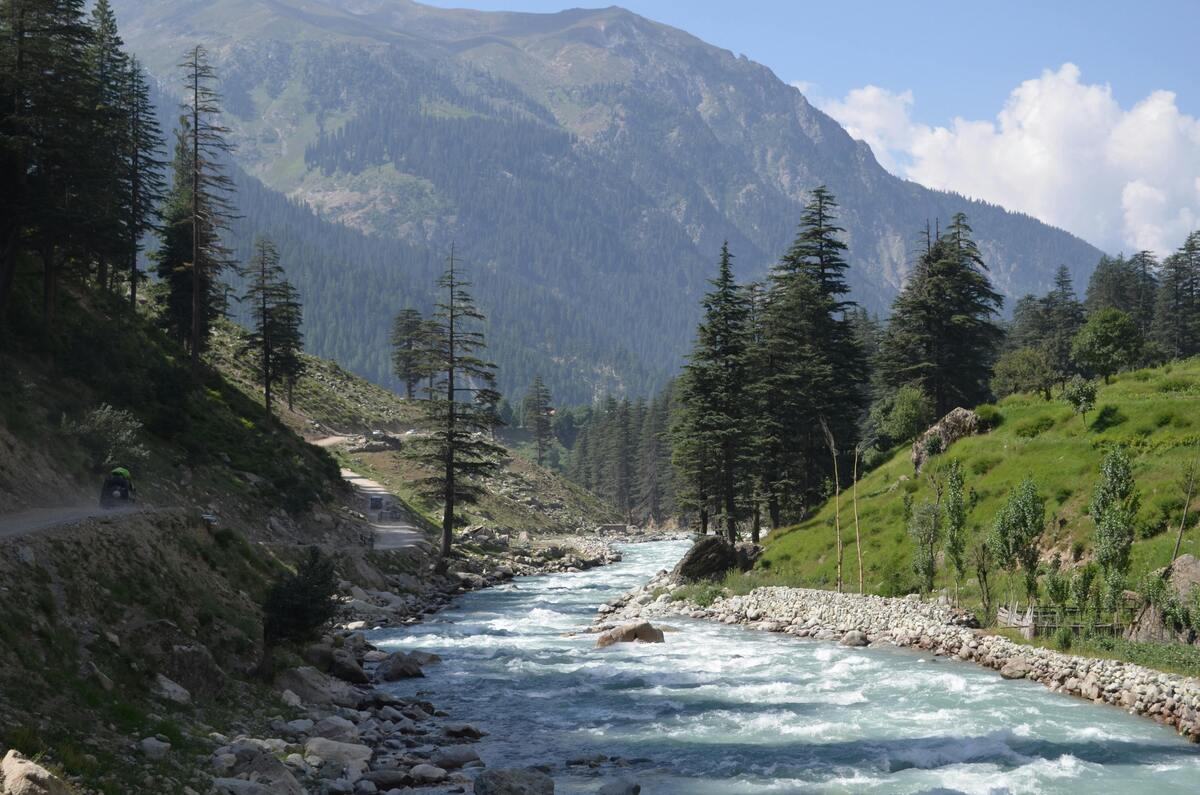
Climate Change Impact on Himalayan Rivers
Climate change is rapidly affecting Himalayan rivers like the Ganges, Brahmaputra, and Indus. Learn how glacier melting, changing rainfall, and floods threaten water security for nearly 2 billion people.
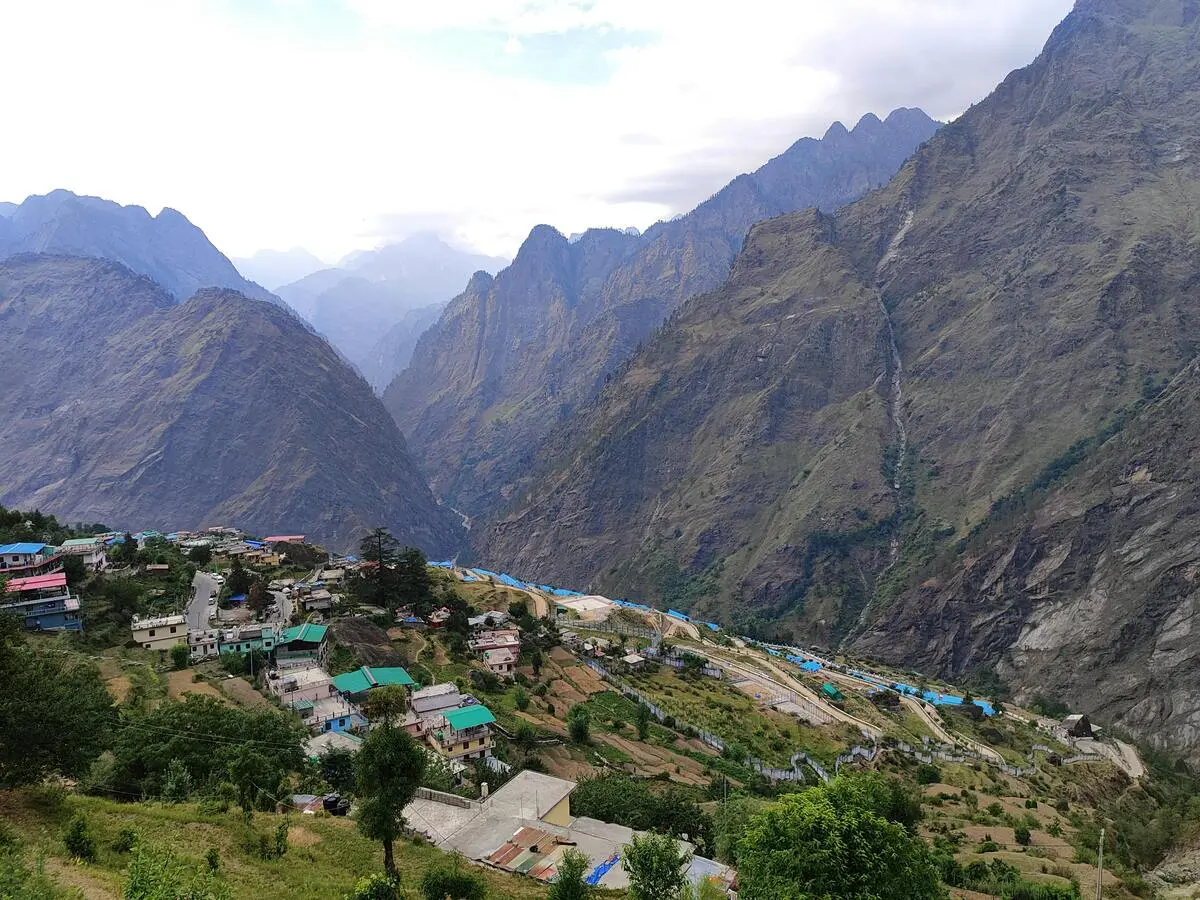
Why Is Joshimath Sinking — And Could It Happen Again Elsewhere?
Why is Joshimath sinking? Explore the causes, land subsidence risks, and what this crisis means for Uttarakhand and the fragile Himalayas.