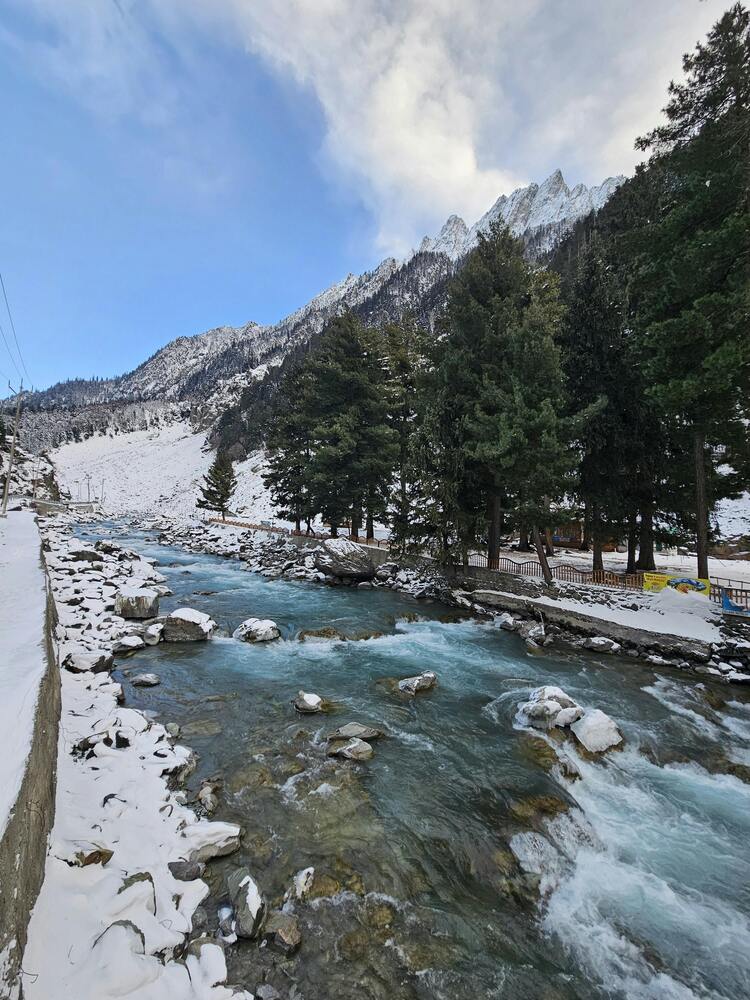
Why the Himalayas Are Getting Less Snow Than Before (And Why It Matters)
Introduction
For centuries, snow has been the quiet architect of life in the Himalayas. It shaped rivers, sustained forests, determined farming cycles, and defined seasons. Snow was never just a beautiful sight—it was a slow, dependable system that kept the mountains alive.
Today, that system is changing.
Across many Himalayan regions, winters are shorter, snowfall is erratic, and rain is replacing snow at elevations where snowfall once felt guaranteed. Locals notice it first—through drying springs and missed snowfall days. Trekkers notice it next. Scientists later confirm what mountain communities already know: the Himalayas are getting less snow than before.
This change is not cosmetic. It reaches deep into water security, food systems, ecosystems, and the future stability of the mountains themselves.
Snow in the Himalayas Is Not Just Weather—It’s a Life-Supporting System
In most places, snow is seasonal. In the Himalayas, snow is structural.
Winter snowfall acts like a natural water bank. Snow accumulates over months, compacts into glaciers, and melts slowly during spring and summer. This gradual release feeds rivers long after the monsoon ends.
This snow-glacier-river system supports:
- Major rivers such as the Ganga, Indus, Yamuna, and Brahmaputra
- Drinking water for mountain villages
- Irrigation for farms across northern India
- Forest moisture and soil stability
- Hydropower generation
Rain behaves very differently. It arrives suddenly and flows away quickly. Snow stays. When snowfall reduces, the entire rhythm of water availability changes.
This delicate balance is part of a much larger web of fragile Himalayan ecosystems, where even small disruptions can have cascading effects.
Are the Himalayas Really Receiving Less Snow Than Before?
Yes—and the change is not subtle anymore.
Many Himalayan regions now experience:
- Fewer snowfall days in winter
- Snow arriving later than usual
- Snow melting much faster
- Rainfall occurring during months that were once snow-dominated
Importantly, this does not mean precipitation has stopped. In many places, moisture is still arriving—but as rain instead of snow. This distinction is critical.
How a Small Rise in Temperature Is Changing Himalayan Snowfall
In mountain environments, temperature thresholds matter more than averages.
Many Himalayan areas sit close to the freezing point during winter. A rise of just 1–2°C can shift precipitation from snow to rain.
This means:
- Snowfall zones move higher up the mountain
- Lower and mid-altitude regions lose snow entirely
- Snow cover becomes thinner and less persistent
What once fell as snow at 2,500–3,000 meters now increasingly falls as rain. That small change alters water storage, soil moisture, and glacier formation.
This is why climate change feels amplified in the Himalayas—even modest warming has outsized consequences.
Why Snow Is Turning Into Rain at Higher Altitudes
Snow forms when air temperatures are low enough from cloud level to ground. As temperatures rise:
- Snowflakes melt before reaching the ground
- Mixed precipitation occurs (sleet, rain-snow mix)
- Rain dominates even in winter
Rain in winter might feel harmless, but it disrupts the mountain system. Rain runs off immediately, often causing erosion and landslides, while snow would have stayed locked in place.
In short: the mountains are receiving water in the wrong form.
The Changing Role of Western Disturbances
In the western and central Himalayas, most winter snowfall comes from western disturbances—weather systems that travel from the Mediterranean region toward South Asia.
These disturbances are changing in three key ways:
- They are becoming less frequent
- Their timing is shifting
- They are carrying more moisture but less cold air
As a result, when they reach the Himalayas, they increasingly produce rain instead of snow—especially at lower elevations.
This explains why some winters feel “wet” but still lack snowfall.
Black Carbon: The Invisible Snow Killer
One of the least understood contributors to declining snow is black carbon, or soot.
Black carbon comes from:
- Vehicle emissions
- Biomass burning
- Forest fires
- Industrial pollution
These tiny particles travel long distances and settle on snow and glaciers. Snow is naturally reflective—it bounces sunlight back into the atmosphere. When black carbon darkens the snow, it absorbs heat instead.
This leads to:
- Faster snowmelt
- Earlier exposure of dark ground or rock
- Even more heat absorption
This creates a feedback loop where snow melts faster each year.
Why the Himalayas Are Warming Faster Than the Plains
The Himalayas are warming faster than many surrounding regions—a phenomenon known as elevation-dependent warming.
These temperature shifts are not abstract trends—they are already reshaping daily life in Himalayan villages, from farming patterns to water access.
This warming is closely linked to the Himalayas’ role as a massive climatic barrier, shaping wind patterns and protecting South Asia from cold northern air, as explained in How the Himalayas Shield South Asia from Cold Winds & Shape Its Climate.
Several factors contribute:
- Thin mountain air heats more quickly
- Loss of snow reduces surface reflectivity
- Changing cloud patterns trap more heat
- Forest loss alters local climate regulation
As snow cover shrinks, the mountains absorb more heat, accelerating warming further. This is one reason snowfall decline is speeding up rather than stabilizing.
What Declining Snowfall Means for Himalayan Glaciers and Rivers
Reduced snowfall does not immediately mean glaciers disappear—but it destabilizes them.
If you want a deeper explanation of how this imbalance is accelerating ice loss, read our detailed guide on why Himalayan glaciers are melting faster than ever.
Glaciers depend on snowfall to balance melting. When accumulation decreases:
- Glaciers thin
- Meltwater initially increases
- Long-term water supply declines
This creates a dangerous mismatch:
- Short-term floods and glacial lake outbursts
- Long-term water scarcity in summer
Rivers may appear healthy today, but their future reliability is becoming uncertain.
How Mountain Communities Are Already Affected
For Himalayan villages, less snow is not a distant threat—it is a daily reality.
Farming and Livelihoods
Traditional crops depend on predictable water cycles. Reduced snow affects:
- Sowing times
- Crop yields
- Orchard productivity (especially apples)
Many farmers report declining output and increasing uncertainty.
Water Scarcity
Springs fed by snowmelt are drying earlier in the year. Women and children often walk farther to collect water, increasing physical and social stress.
Increased Disasters
Less snow does not reduce risk—it changes it.
- Faster melt causes flash floods
- Rain-on-snow events trigger landslides
- Dry forests increase wildfire risk
The mountains become more unstable overall.
Impact on Wildlife and Forests
Snow regulates habitats.
As snowlines move upward:
- Cold-adapted species lose space
- Animals move closer to human settlements
- Human-wildlife conflict increases
Forests also dry out earlier, weakening ecosystems that once depended on slow snowmelt.
What This Means for Tourism in the Himalayas
Snow is central to Himalayan tourism—winter landscapes, treks, and seasonal travel patterns depend on it.
With declining snowfall:
- Winter tourism becomes unreliable
- Artificial snow is used in some areas, increasing water use
- Tourist seasons compress, increasing pressure on resources
Beyond environmental pressure, tourism also reshapes local economies, labor patterns, and cultural rhythms in mountain regions.
Tourism that ignores these changes risks accelerating the problem.
Can Anything Be Done?
While global climate change cannot be solved locally, local actions still matter deeply.
Protecting Forests and Watersheds
Healthy forests regulate temperature, moisture, and snowfall patterns.
Responsible Travel and Development
Limiting construction, reducing waste, and respecting seasonal limits helps preserve fragile systems.
For travelers, small choices—where to stay, when to visit, and how to move through the mountains—can collectively make a real difference.
Community-Led Adaptation
Local knowledge is invaluable. Communities are already adapting farming, water use, and livelihoods—and should be central to decision-making.
Reducing Pollution
Lowering black carbon emissions offers one of the fastest ways to slow snow and glacier loss.
Why This Matters Far Beyond the Mountains
The Himalayas are often called the “Third Pole” because of their vast ice reserves. What happens here affects:
- Water security for millions
- Agriculture across South Asia
- Regional climate stability
Less snow in the Himalayas is not a local issue—it is a continental one.
A Quiet Warning Written in Snow
The Himalayas may still look timeless, but the changes happening within them are profound. Less snowfall is not just about warmer winters—it is a signal that the systems sustaining these mountains are shifting.
Understanding this change is the first step toward responding wisely. The snow may be falling less each year, but the responsibility to protect what remains has never been greater.
Related Articles
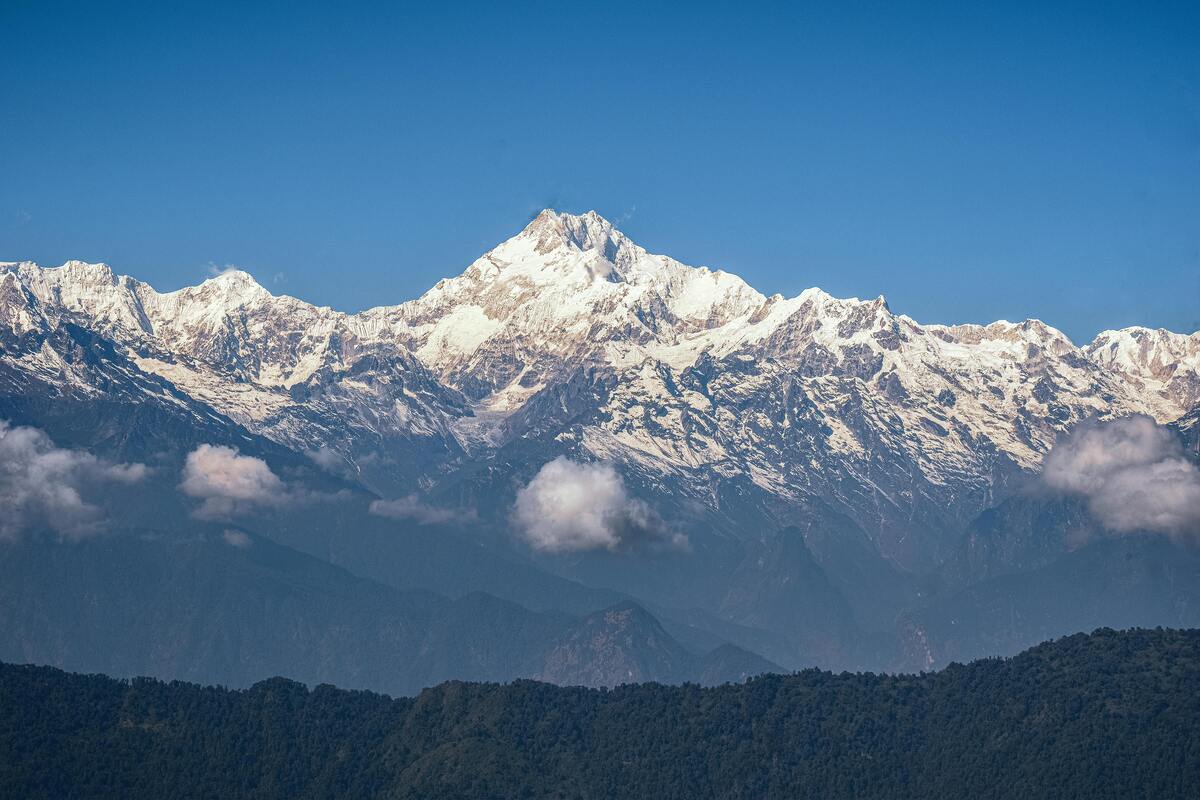
Why Himadri is the Highest Himalayan Range (Explained in a Simple Way)
Why is Himadri higher than other Himalayan ranges? Discover the simple reasons behind its height with an easy, beginner-friendly explanation.
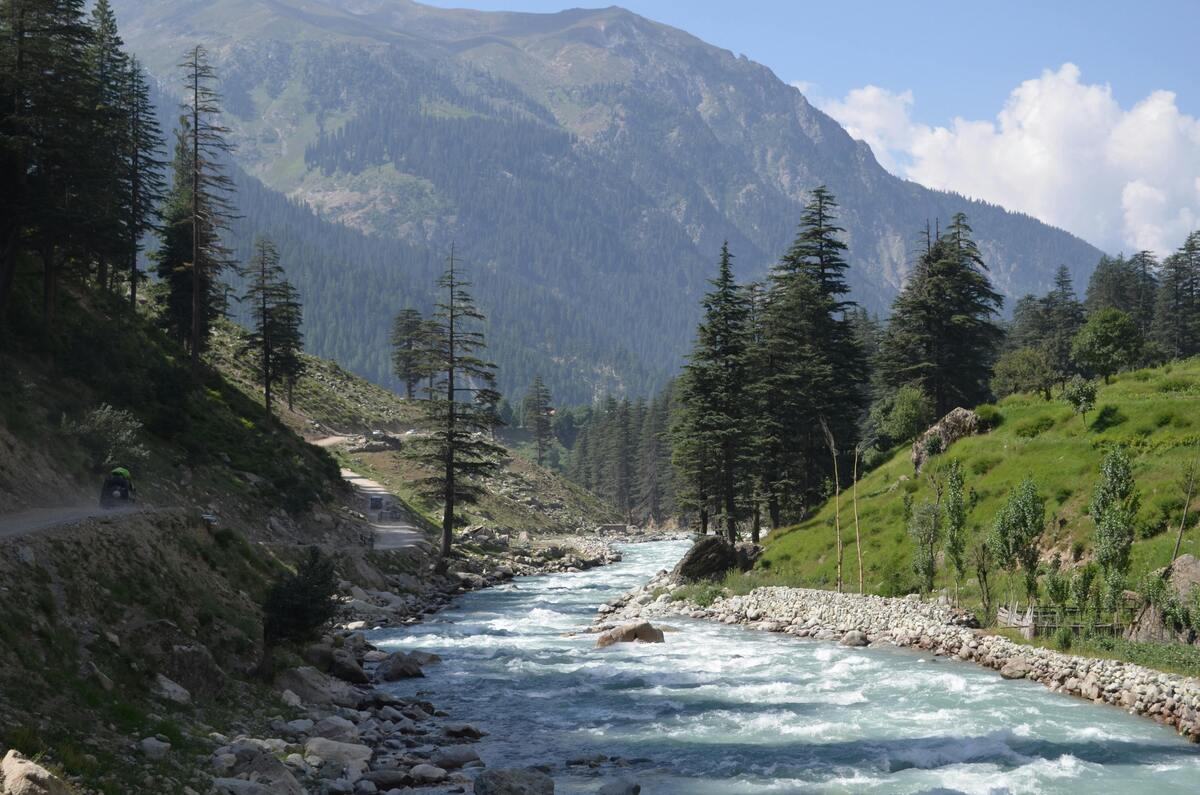
Climate Change Impact on Himalayan Rivers
Climate change is rapidly affecting Himalayan rivers like the Ganges, Brahmaputra, and Indus. Learn how glacier melting, changing rainfall, and floods threaten water security for nearly 2 billion people.
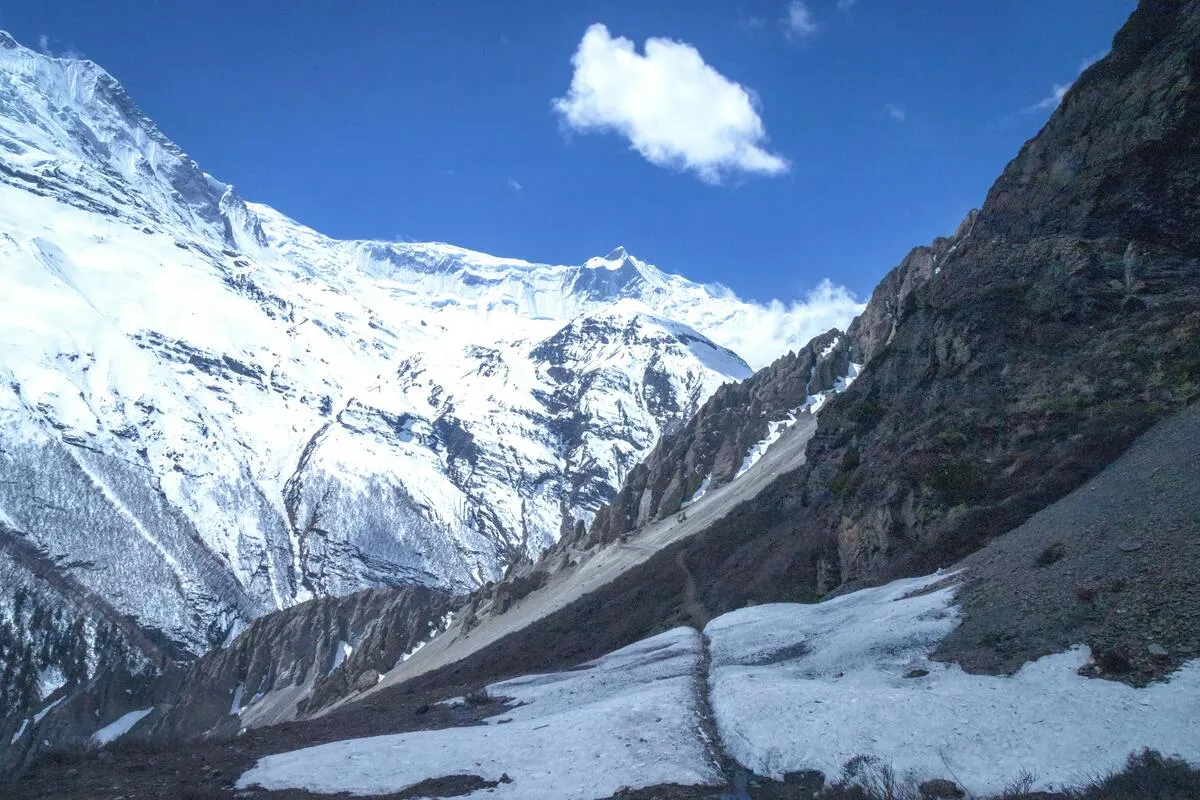
Why Himalayan Glaciers Are Melting Faster Than Ever — And Why the World Should Care
Himalayan glaciers are melting faster than ever. Discover the real causes, scientific warnings, and what glacier loss means for rivers, communities, and climate.