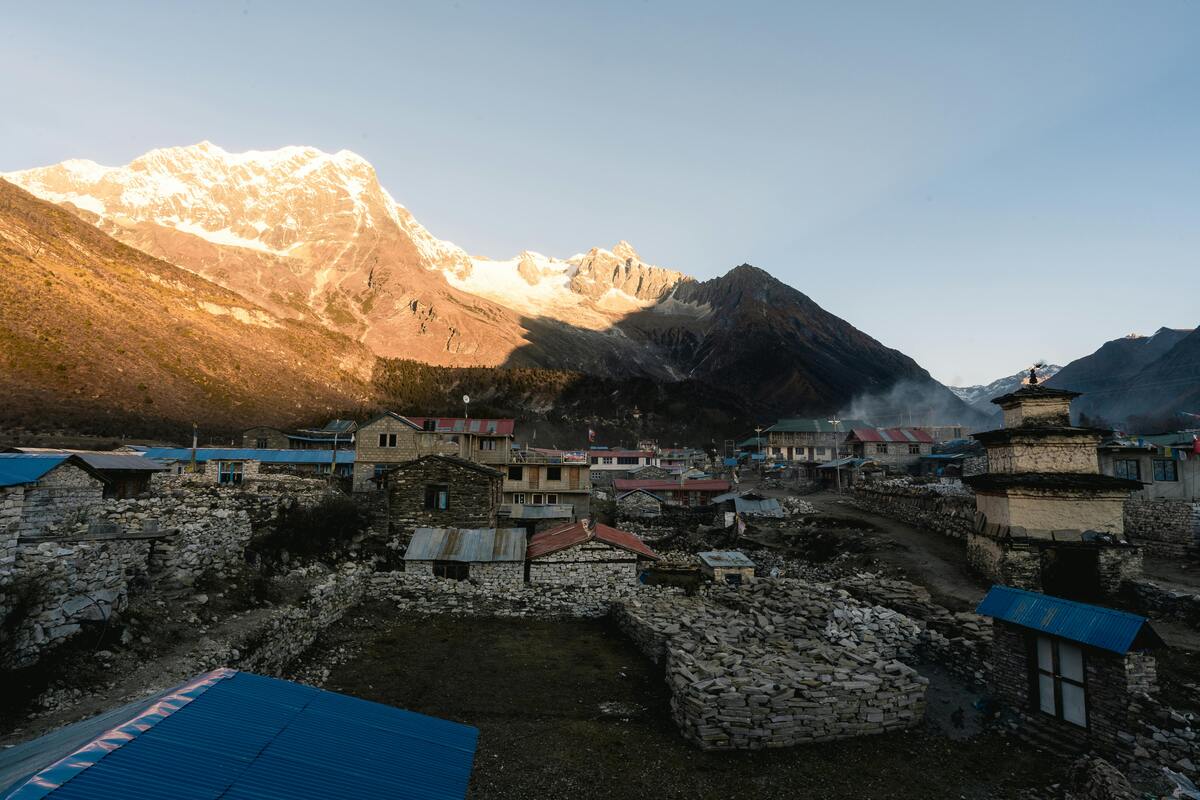
How Climate Change is Transforming Life in Himalayan Communities
Introduction
The Himalayas are often called the “Roof of the World,” known for their snow-covered peaks and breathtaking valleys. But beyond their beauty, they are home to millions of people whose lives are being reshaped by climate change in the Himalayas. What was once a distant environmental concern has now become a daily struggle for mountain communities.
The impact of climate change in the Himalayas is visible everywhere — shrinking glaciers, unpredictable monsoons, rising temperatures, and increasing landslides. These changes are not just altering the landscape; they are affecting livelihoods, traditions, water sources, and food security in Himalayan villages.
The mountains may be ancient, but their future depends on the choices we make today. Supporting local communities, encouraging responsible tourism, and spreading awareness can help ensure that these fragile regions continue to thrive — not just survive.
In this post, we explore the real effects of climate change on Himalayan communities, not through distant statistics, but through the lived experiences, struggles, and resilience of the people who call these mountains home.
What Is Changing in the Himalayas Due to Climate Change?
The Himalayan region spans across several countries, including India, Nepal, Bhutan, and Tibet, and is home to millions of people. Traditionally, life here has revolved around the seasons: planting and harvesting crops, collecting water from glacial streams, and following centuries-old cultural rituals aligned with nature.
But in the last few decades, villagers have noticed subtle yet alarming changes:
- Glaciers that once fed rivers year-round are shrinking.
- Monsoon rains are becoming unpredictable, sometimes too heavy, sometimes too weak.
- Winters are warmer, affecting snowfall patterns crucial for water storage.
For families who rely directly on farming, livestock, and forest resources, these changes are not theoretical—they are felt in empty granaries, struggling crops, and water shortages.
“We’ve lived here for generations, following the rhythm of the mountains. But now, the rains come when we don’t expect them, and our crops fail. Even the rivers don’t flow as they used to,” shares Suman, a farmer in Uttarkashi, Uttarakhand.
Real Stories: How Climate Change Is Affecting Himalayan Villages
1. Water Scarcity in Himalayan Villages: A Growing Crisis
For communities in high-altitude villages, water is life. Springs that once bubbled consistently are now drying up, forcing families to walk longer distances to fetch water.
Lila, a mother of three from a small village near Manali, tells us:
“We used to collect water from the same spring my grandparents used. Last year, it barely trickled. We had to wake at 5 AM just to fill enough buckets for the day.”
This shortage impacts daily life, from cooking and cleaning to livestock care. Children often miss school to help with water collection, subtly altering their education and future prospects.
2. Livelihoods at Risk
Many Himalayan villagers depend on agriculture and animal husbandry. Crops like barley, maize, and traditional vegetables are highly sensitive to temperature and rainfall changes. Unpredictable weather can mean a failed harvest or loss of livestock.
Ramesh, a shepherd in a remote valley of Himachal Pradesh, shares:
“Earlier, our sheep grazed freely, and the winters were predictable. Now, sudden storms arrive, and some of my animals don’t survive. Every year, I worry about feeding my family.”
For women, who often handle both household chores and agricultural tasks, the burden increases. Unpredictable seasons mean more time and energy spent securing food and water, leaving less time for other essential tasks.
3. Forests, Landslides, and Risk of Disaster
Himalayan communities are intricately linked to forests—they provide fuel, food, and building materials. But climate change, coupled with deforestation, is increasing the risk of landslides and soil erosion.
“Our village used to be safe from floods. Last summer, a landslide blocked the river near our homes. We were lucky to escape, but some families lost everything,” recalls Tsering from a village in Sikkim.
These events not only destroy homes but also disrupt schools, clinics, and access to markets, leaving communities isolated and vulnerable.
Cultural Impacts of Climate Change
In Himalayan villages, culture and nature are deeply intertwined. Festivals, rituals, and seasonal activities often depend on predictable weather.
For instance, festivals that celebrate harvests, snowfall, or the blooming of certain flowers are now uncertain. Older villagers speak of changing traditions:
“The flowers we used in our rituals bloom weeks earlier than before. The young ones don’t understand why we are celebrating at the wrong time. It feels like the mountains themselves are changing,” says Dorje, a village elder in Ladakh.
Even spiritual practices tied to rivers, mountains, and glaciers are affected. Shrinking glaciers not only threaten water supplies but also the cultural stories and beliefs associated with them.
How Himalayan Communities Are Adapting to Climate Change
Despite the challenges, Himalayan villagers are resilient. Many are finding ways to adapt while preserving their way of life:
- Water Conservation Practices: Villagers are reviving ancient water storage systems like ponds, tanks, and stone channels to collect and store rainwater.
- Diversified Livelihoods: Some families are shifting to alternative crops or eco-tourism, providing income without relying solely on climate-sensitive farming.
- Community Forest Management: Local groups are protecting forests to prevent soil erosion and landslides, while also sustaining medicinal plants and firewood.
- Education and Awareness: Young villagers are learning about climate change and sustainability, helping families make better decisions about resource management.
“We can’t stop the weather from changing,” says Karma, a teacher in a remote village in Uttarakhand, “but we can teach our children how to live with it, not against it.”
What Responsible Travelers Can Do to Support Himalayan Communities
If you are planning to visit the Himalayan region, your presence can make a difference. Responsible tourism can support local communities struggling with climate impacts. Here’s how:
- Support local businesses: Stay in locally run homestays or buy directly from village artisans.
- Travel mindfully: Reduce waste, avoid plastic, and minimize your environmental footprint.
- Learn and share stories: Listen to villagers’ experiences and help amplify their voices.
- Participate in conservation efforts: Small acts like tree planting, clean-up drives, or supporting eco-tourism initiatives can contribute to resilience.
Why Climate Change in the Himalayas Is a Global Concern
Climate change in the Himalayas is not just an environmental issue—it’s a human issue. It affects how people live, work, celebrate, and survive. Each story—from a mother walking extra miles for water, to a shepherd protecting livestock from unexpected storms—reflects a broader truth: the mountains may be majestic, but their communities are vulnerable.
While scientific research is essential, the human perspective provides the urgency and empathy that numbers alone cannot convey. By listening to local voices, understanding their struggles, and supporting their adaptive efforts, we can ensure that Himalayan communities not only survive but thrive in a changing world.
Frequently Asked Questions (FAQs)
How is climate change affecting the Himalayas?
Climate change in the Himalayas is causing glacier melt, unpredictable rainfall, rising temperatures, water shortages, and increased landslides, directly impacting mountain communities.
Why are Himalayan glaciers melting faster?
Rising global temperatures and changing weather patterns are accelerating glacier retreat in the Himalayan region, affecting river systems across South Asia.
How are Himalayan communities adapting to climate change?
Communities are reviving traditional water systems, adopting sustainable farming practices, diversifying income sources, and promoting eco-tourism to build resilience.
Final Thoughts: Protecting the Future of Himalayan Communities
The Himalayas are more than a scenic destination—they are home. Climate change is reshaping the landscape, but it is also highlighting the resilience, courage, and wisdom of its people. By engaging thoughtfully with these communities, supporting local economies, and being conscious travelers, we can help protect both the environment and the rich cultural heritage of the Himalayan region.
“We don’t want pity. We want visitors to see, understand, and respect how we live. If the mountains change, we must change with them—but together, with care and awareness,” says Suman, reflecting the collective voice of many Himalayan villagers.
Related Articles
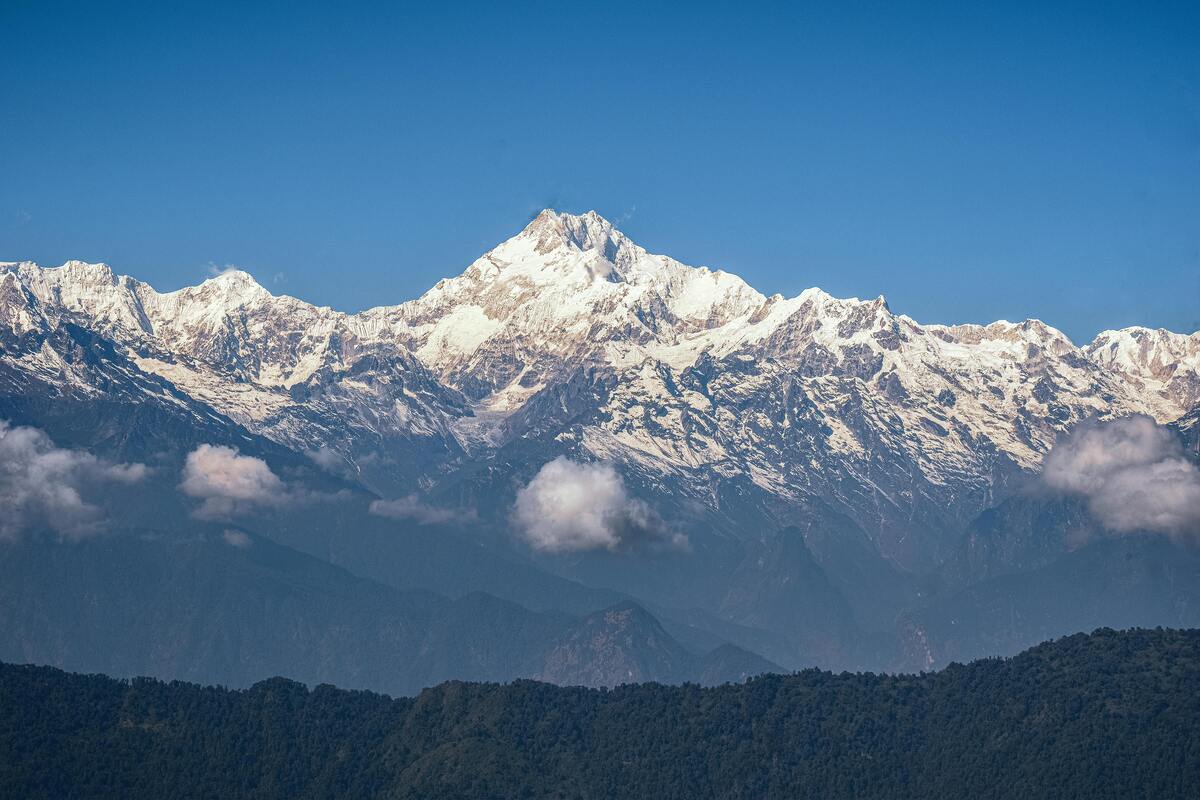
Why Himadri is the Highest Himalayan Range (Explained in a Simple Way)
Why is Himadri higher than other Himalayan ranges? Discover the simple reasons behind its height with an easy, beginner-friendly explanation.
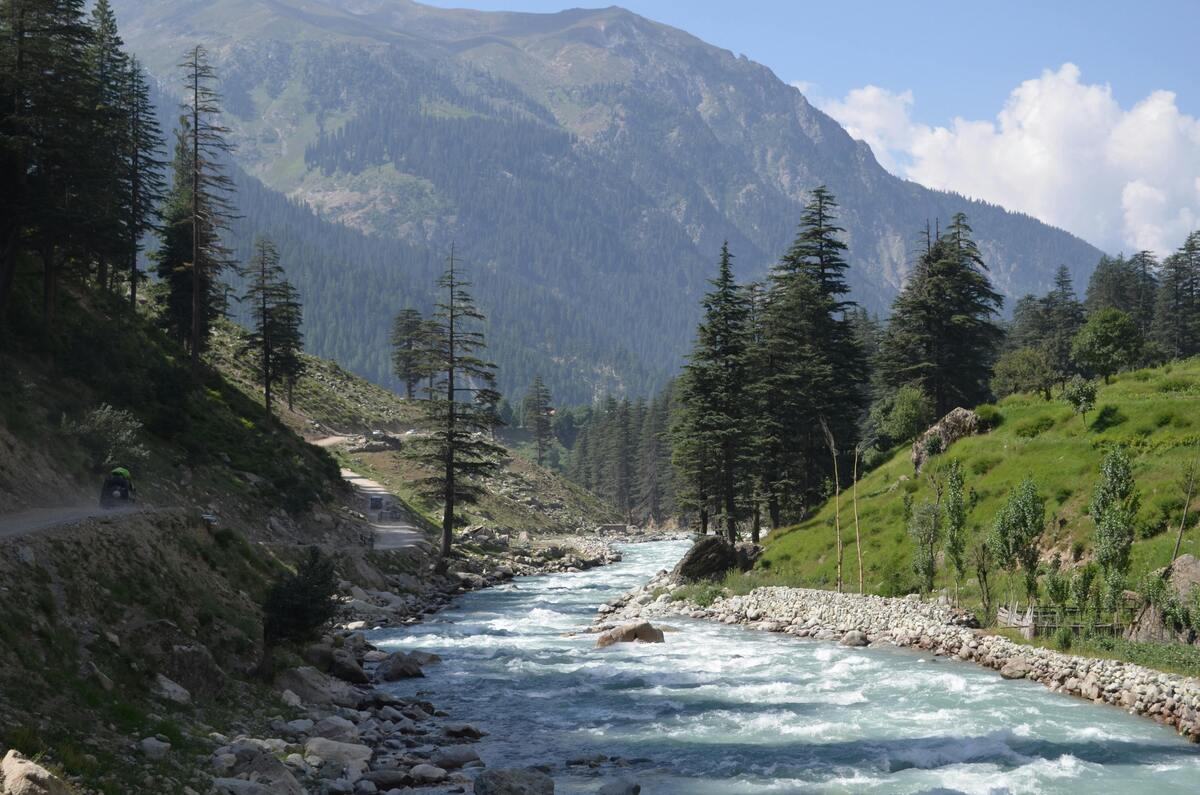
Climate Change Impact on Himalayan Rivers
Climate change is rapidly affecting Himalayan rivers like the Ganges, Brahmaputra, and Indus. Learn how glacier melting, changing rainfall, and floods threaten water security for nearly 2 billion people.
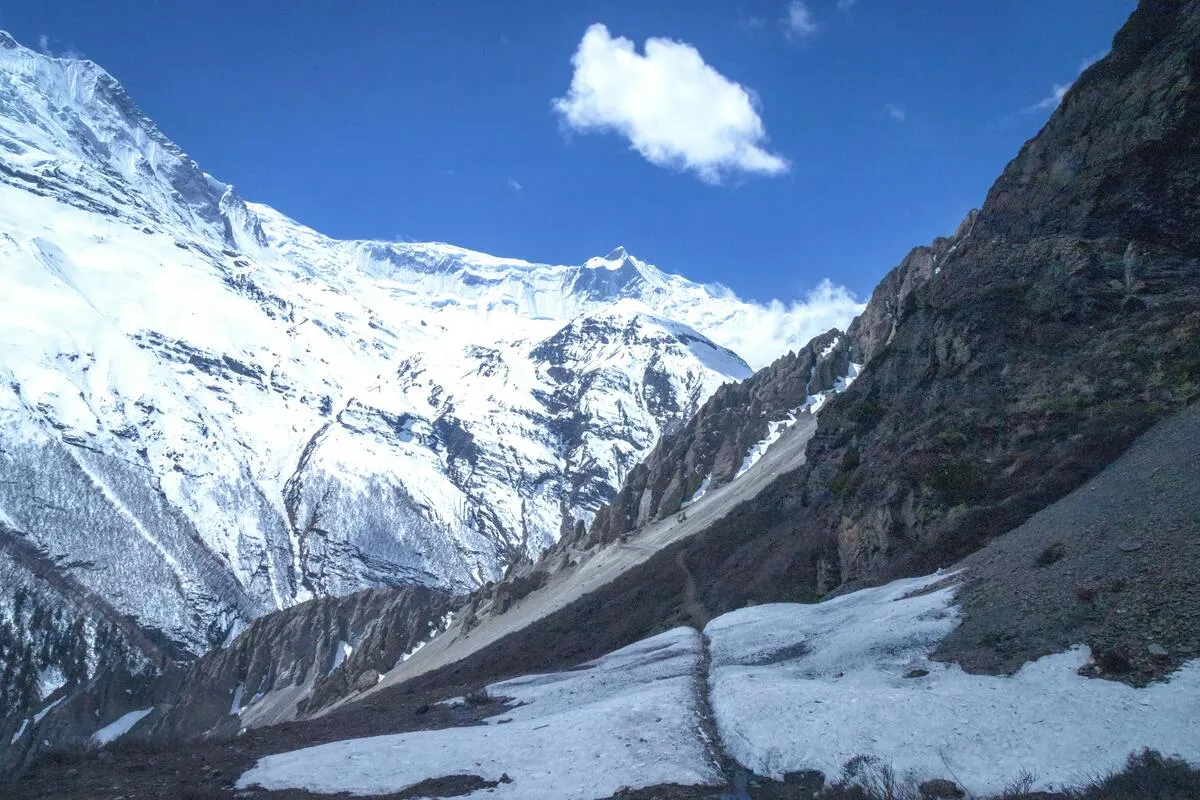
Why Himalayan Glaciers Are Melting Faster Than Ever — And Why the World Should Care
Himalayan glaciers are melting faster than ever. Discover the real causes, scientific warnings, and what glacier loss means for rivers, communities, and climate.