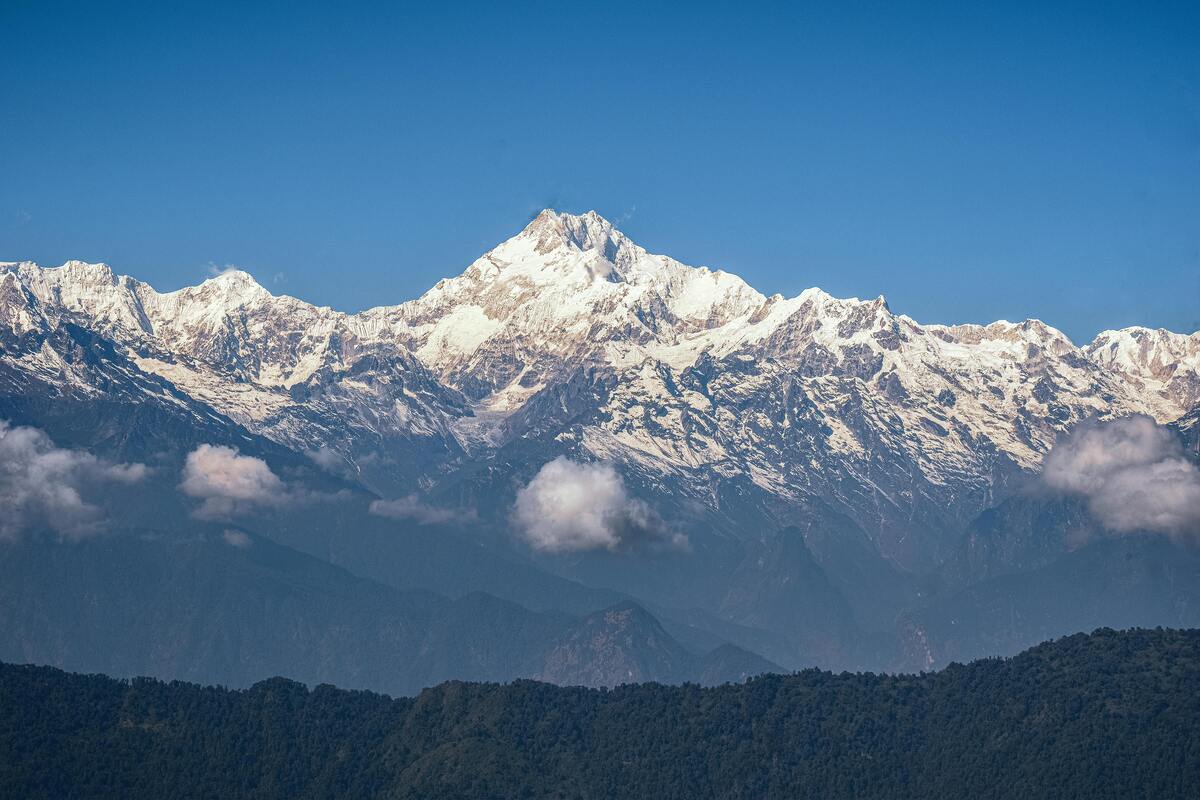
Why Himadri is the Highest Himalayan Range (Explained in a Simple Way)
When we think about the Himalayas, we usually imagine a long stretch of tall, snow-covered mountains. It almost feels like one continuous wall of peaks touching the sky. But the truth is, the Himalayas are not just one single range. They are actually divided into different parts, and each part has its own characteristics.
Among these, Himadri, also known as the Greater Himalaya, is the highest.
Now, this raises an interesting question — why only Himadri? Why is this particular range higher than the others? Is it just a coincidence, or is there a real reason behind it?
If you’ve ever found this confusing, you’re not alone. At first, it can feel a bit complex. But once you understand the basic idea behind how these mountains were formed, everything starts to make sense.
Let’s break it down in the simplest way possible.
Understanding the Himalayas in a Simple Way
Before we directly talk about Himadri, it’s important to understand the bigger picture.
The Himalayas are divided into three main ranges:
- Himadri (Greater Himalaya) – the highest
- Himachal (Lesser Himalaya) – medium height
- Shiwalik (Outer Himalaya) – the lowest
These ranges run parallel to each other from north to south. If you were to travel from the plains of India towards the north, you would first reach the Shiwalik range, then Himachal, and finally Himadri.
So, Himadri lies at the northernmost position — and that already gives us a hint that something important is happening there.
The Real Story Begins Millions of Years Ago
To truly understand why Himadri is the highest, we need to go back millions of years — long before humans even existed.
At that time, the Earth’s surface looked very different. The land we now call India was actually part of a large moving piece of the Earth’s crust known as the Indian Plate. This plate was slowly drifting northward.
Eventually, it collided with another massive plate called the Eurasian Plate.
This was not a small event. It was a massive geological process that took millions of years. When these two plates collided, the land between them didn’t just break — it crumpled, folded, and rose upward. This is how the Himalayas were formed.
But here’s the most important part — this collision did not affect all areas equally.
Why Himadri Rose the Highest
When the Indian Plate pushed into the Eurasian Plate, the pressure was not evenly distributed. Some areas experienced stronger forces than others.
The region where the pressure was the greatest experienced the most uplift. Over time, this part rose higher and higher, forming the tallest mountains.
This region is what we now call Himadri.
So in a very simple way:
👉 Himadri is the highest because it received the strongest push from the Earth’s forces.
Think of it like pressing a soft cushion with your hand. The area where you press the hardest will rise the most. The same idea applies here.
The Role of Strong Rocks
Another important reason why Himadri remains so high is the type of rocks found there.
Himadri is made up of very hard and strong rocks, mainly crystalline rocks like granite. These rocks are much more resistant to natural forces like wind, rain, and glaciers.
Now imagine two surfaces:
- One made of loose soil
- One made of solid stone
Which one will last longer?
Obviously, the stone.
In the same way, the strong rocks of Himadri help it resist erosion. While other parts of the Himalayas may wear down more easily, Himadri holds its height for a longer time.
So, it’s not just about rising high — it’s also about staying high.
The Highest Peaks Tell the Same Story
If you look at the tallest mountains in the world, you’ll notice something interesting — almost all of them are located in Himadri.
For example:
- Mount Everest
- Kangchenjunga
- Nanda Devi
These peaks are not randomly spread across all ranges. They are concentrated in Himadri.
This is strong evidence that Himadri is the highest part of the Himalayas.
Why Himadri is Always Covered with Snow
One of the most visible features of Himadri is its permanent snow cover. No matter the season, the peaks remain covered in snow.
This happens because of its extreme height. As altitude increases, temperature decreases. At the height of Himadri, the temperature is so low that snow does not melt easily.
This is why the region is often described as the “abode of snow.”
The name itself reflects this:
- Him = snow
- Adri = mountain
So Himadri literally means snow-covered mountains, which perfectly matches its condition.
A Mountain Range That is Still Growing
Here’s something that surprises many people — the Himalayas are not completely stable.
They are considered young fold mountains, which means they are still in the process of formation. The tectonic plates are still moving, even if very slowly.
Because of this, the Himalayas continue to rise gradually over time.
Since Himadri is located in the main zone of collision, it is still being pushed upward.
This means that the highest range is not just a result of the past — it is also shaped by ongoing natural processes.
Comparing Himadri with Other Himalayan Ranges
To understand this better, let’s compare Himadri with the other ranges.
The Himachal range lies just south of Himadri. It is lower in height and does not have permanent snow cover. Its mountains are high, but not as extreme.
Further south, the Shiwalik range is even lower. It is made of softer materials like sand and gravel, which makes it more prone to erosion.
As you move from south to north:
- Height increases
- Rock strength increases
- Snow presence increases
And the highest point of all this progression is Himadri.
A Simple Way to Visualize Everything
If all this feels like a lot, here’s a simple way to picture it.
Imagine stacking three layers:
- Bottom layer: soft and low (Shiwalik)
- Middle layer: stronger and higher (Himachal)
- Top layer: strongest and highest (Himadri)
The top layer naturally stands above the rest.
That’s exactly how the Himalayan ranges are arranged.
Why This Topic Matters
Understanding why Himadri is the highest is not just useful for exams. It helps you understand how our planet works.
It shows:
- How powerful Earth’s internal forces are
- How mountains are formed over millions of years
- How different natural factors like rock type and erosion affect landscapes
And if you’re someone creating content or blogs, this topic is actually very powerful for SEO because many students search for simple explanations like this.
Final Thoughts
So, why is Himadri the highest Himalayan range?
It’s not because of one single reason, but a combination of factors working together.
It lies in the main zone of tectonic collision, where the pressure was the strongest. It is made of hard rocks that resist erosion. It contains the highest peaks in the world. And it is still rising even today.
In simple words, Himadri stands the tallest because it was shaped by the most powerful natural forces, and it continues to evolve even now.
Once you understand this, the whole concept becomes much clearer — and honestly, a lot more interesting too.
Related Articles
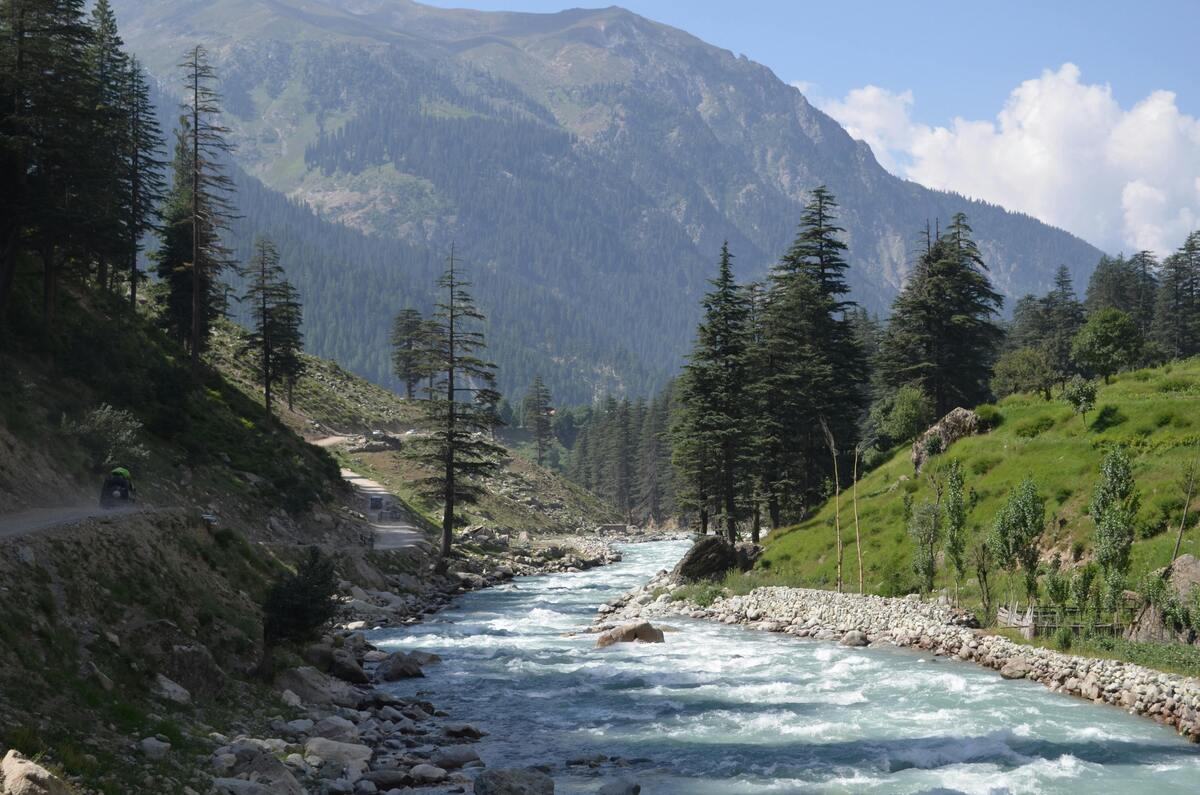
Climate Change Impact on Himalayan Rivers
Climate change is rapidly affecting Himalayan rivers like the Ganges, Brahmaputra, and Indus. Learn how glacier melting, changing rainfall, and floods threaten water security for nearly 2 billion people.
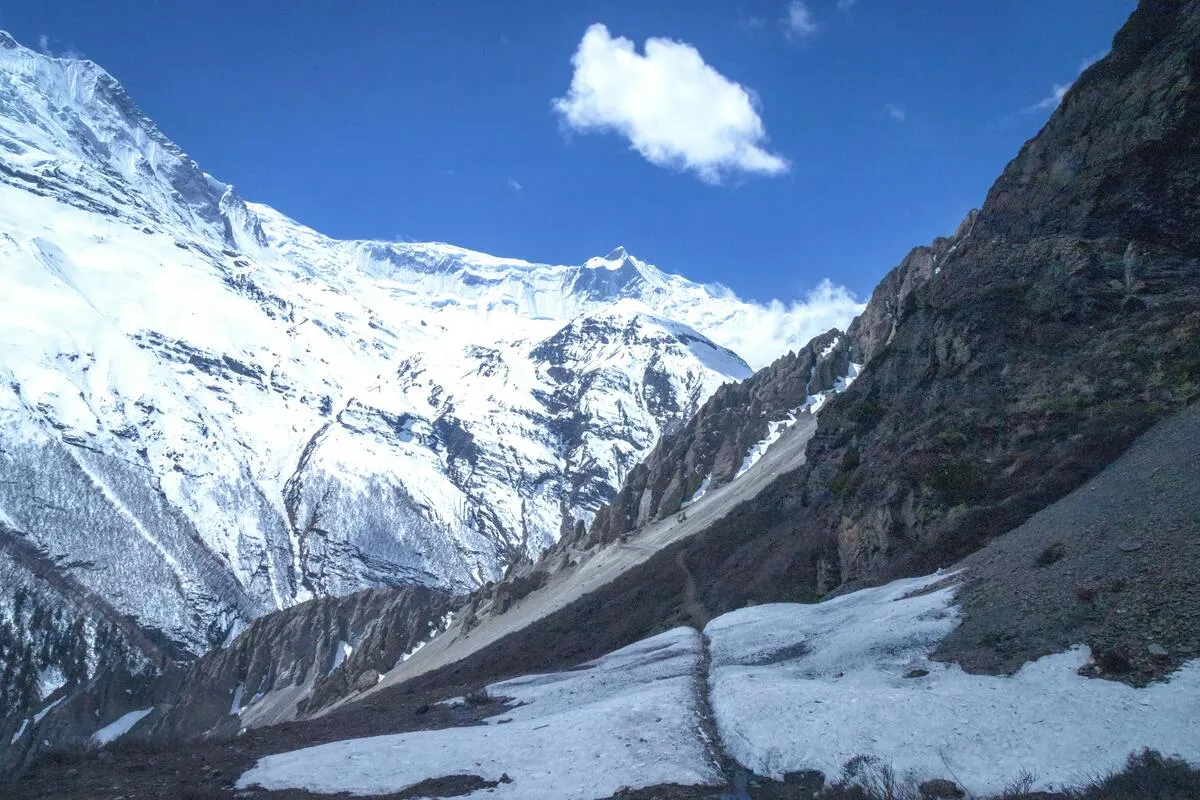
Why Himalayan Glaciers Are Melting Faster Than Ever — And Why the World Should Care
Himalayan glaciers are melting faster than ever. Discover the real causes, scientific warnings, and what glacier loss means for rivers, communities, and climate.
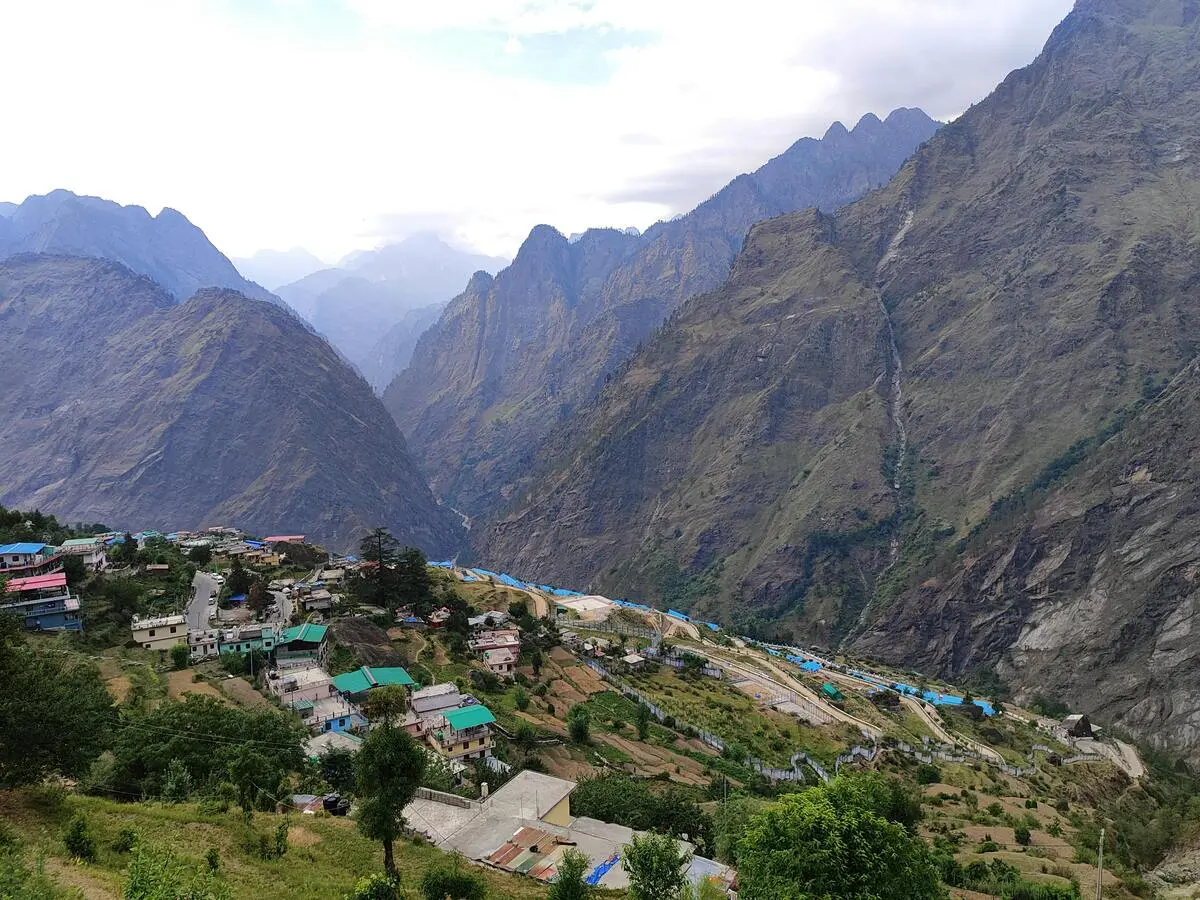
Why Is Joshimath Sinking — And Could It Happen Again Elsewhere?
Why is Joshimath sinking? Explore the causes, land subsidence risks, and what this crisis means for Uttarakhand and the fragile Himalayas.