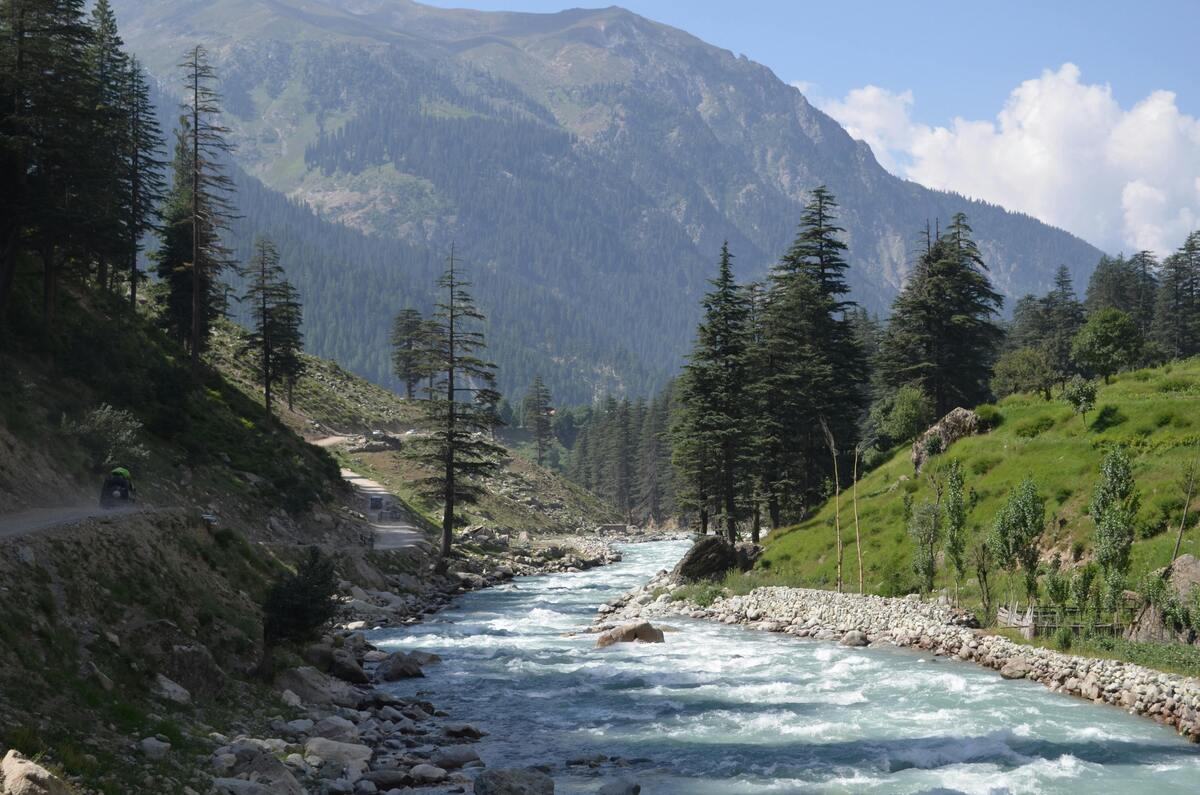
Climate Change Impact on Himalayan Rivers
Introduction
Climate change is increasingly affecting the fragile ecosystems of the Himalayas, and one of the most important impacts can be seen in Himalayan rivers. Rivers such as the Ganges River, Brahmaputra River, and Indus River originate from Himalayan glaciers and snowfields and support nearly 1.9 billion people across South Asia. However, rising temperatures, glacier retreat, and changing rainfall patterns are beginning to alter how these rivers flow. Understanding the impact of climate change on Himalayan rivers is important not only for mountain communities but also for agriculture, water security, and ecosystems across the region.
The Himalayan rivers—such as the Ganges River, Brahmaputra River, and Indus River—are among the most important river systems in the world. These rivers originate from glaciers, snowfields, and high-altitude springs in the Himalayan mountains and flow across South Asia.
Together, they support nearly 1.9 billion people, providing water for drinking, farming, ecosystems, and energy production in countries like India, Nepal, Pakistan, and Bangladesh.
However, climate change is beginning to alter these rivers in noticeable ways. Rising temperatures, changing snowfall patterns, and glacier retreat are affecting river flow, ecosystems, and the communities that depend on these waters.
1. Rapid Glacier Melting
One of the most visible impacts of climate change in the Himalayas is glacier retreat.
Himalayan glaciers are melting faster as global temperatures rise. According to studies from the International Centre for Integrated Mountain Development, glaciers in the Hindu Kush–Himalaya region could lose up to one-third of their ice by 2100, even if global warming is limited.
If emissions continue at the current pace, glacier loss could reach 50–60% by the end of the century.
For example, the Gangotri Glacier—one of the main sources of the Ganges—has retreated more than 1.5 kilometers over the past century.
Impact:
- Increased river flow and flooding in the short term
- Reduced glacier-fed water supply in the long term
This means some rivers may eventually experience lower flows during dry seasons.
2. Changing River Flow Patterns
Climate change is also affecting the seasonal rhythm of Himalayan rivers.
Traditionally:
- Summer: Glacier melt gradually increases river flow
- Monsoon: Heavy rainfall feeds rivers and floods plains
- Winter: Rivers maintain a smaller but steady flow
However, scientists are observing several changes:
- Irregular and unpredictable rainfall patterns
- Earlier snowmelt in spring
- Longer dry periods in some regions
These changes can lead to more extreme floods during the monsoon and lower river flow during dry months.
Such variations directly affect agriculture, drinking water supply, and hydropower generation across South Asia.
3. Increased Risk of Glacial Lake Outburst Floods (GLOFs)
As glaciers melt, meltwater often collects behind natural dams made of rock and ice, forming glacial lakes.
Over the past few decades, the number and size of these lakes have increased across the Himalayas. A recent regional study found that glacial lakes in the Himalayas have expanded by nearly 50% since the 1990s.
If the natural dam of a lake collapses, it can trigger a Glacial Lake Outburst Flood (GLOF).
Regions such as Uttarakhand, Nepal, and Bhutan face increasing risks from these sudden floods.
Consequences may include:
- Sudden and powerful downstream flooding
- Damage to roads, bridges, and villages
- Loss of farmland and livelihoods
These events are becoming a growing concern for mountain communities.
4. Impact on Biodiversity and Ecosystems
Himalayan rivers support unique ecosystems that depend on cold, glacier-fed water.
As climate change alters water temperature and flow patterns, it can affect:
- cold-water fish species
- aquatic insects and river plants
- wetlands and alpine streams
Scientists warn that many species adapted to cold mountain rivers may struggle to survive as water temperatures gradually rise.
Changes in river ecosystems can also affect local communities that rely on fisheries and natural resources.
5. Threat to Food and Water Security
Millions of farmers across South Asia depend on Himalayan rivers for irrigation.
River systems like the Ganges and Indus support some of the most densely populated agricultural regions in the world.
Climate change could create several challenges:
- Reduced water availability during dry seasons
- Unpredictable flooding damaging crops
- Increased pressure on water resources
Because of this, the stability of Himalayan rivers is closely linked to regional food security and livelihoods.
6. Hydropower and Infrastructure Risks
Many Himalayan rivers are used for hydropower generation and large infrastructure projects.
However, climate change is making these systems more vulnerable.
Some emerging risks include:
- unpredictable river flow affecting power generation
- increased flooding that can damage dams and roads
- landslides triggered by intense rainfall in mountain regions
These factors make long-term planning for hydropower and infrastructure more challenging in the Himalayas.
Conclusion
The Himalayas are often described as Asia’s water tower, because many of the continent’s major rivers originate here. Changes happening in these mountains will not remain limited to high-altitude regions.
Climate change is already influencing glacier melt, river flow patterns, and mountain ecosystems. Over time, these changes could affect water security, agriculture, and communities across South Asia.
Understanding the impact of climate change on Himalayan rivers is therefore an important step toward protecting both mountain environments and the millions of people who depend on these rivers every day.
Frequently Asked Questions
How does climate change affect Himalayan rivers?
Climate change affects Himalayan rivers mainly through glacier melting, changing snowfall patterns, and irregular rainfall. Rising temperatures accelerate glacier retreat, which initially increases river flow but may reduce long-term water availability.
Why are Himalayan rivers important?
Himalayan rivers are important because they provide freshwater, irrigation, hydropower, and ecosystem support for nearly two billion people across countries like India, Pakistan, Nepal, and Bangladesh.
What is the biggest threat to Himalayan rivers?
One of the biggest threats is rapid glacier melting caused by global warming. Scientists warn that many Himalayan glaciers could lose 30–60% of their ice by 2100 if warming continues.
What are glacial lake outburst floods (GLOFs)?
Glacial lake outburst floods occur when water stored in glacial lakes suddenly breaks through natural dams made of ice or rock. These floods can cause severe damage to villages, infrastructure, and ecosystems downstream.
Related Articles
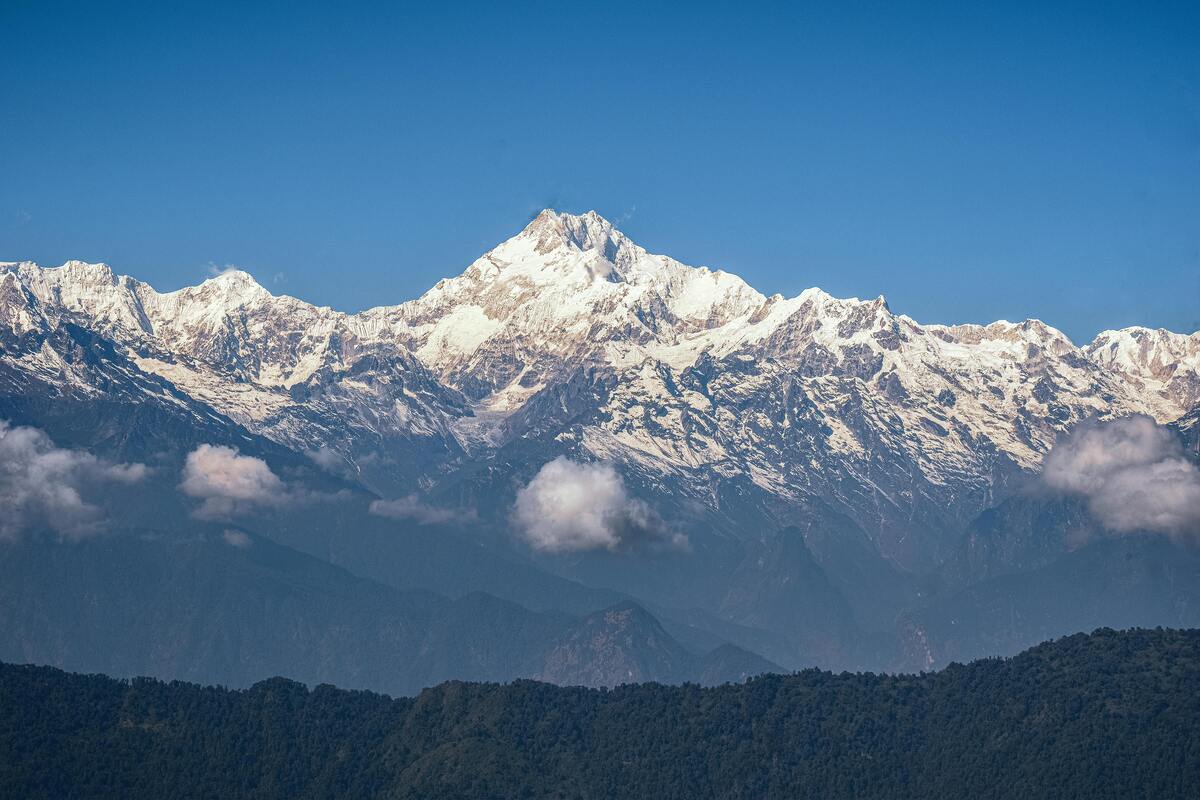
Why Himadri is the Highest Himalayan Range (Explained in a Simple Way)
Why is Himadri higher than other Himalayan ranges? Discover the simple reasons behind its height with an easy, beginner-friendly explanation.
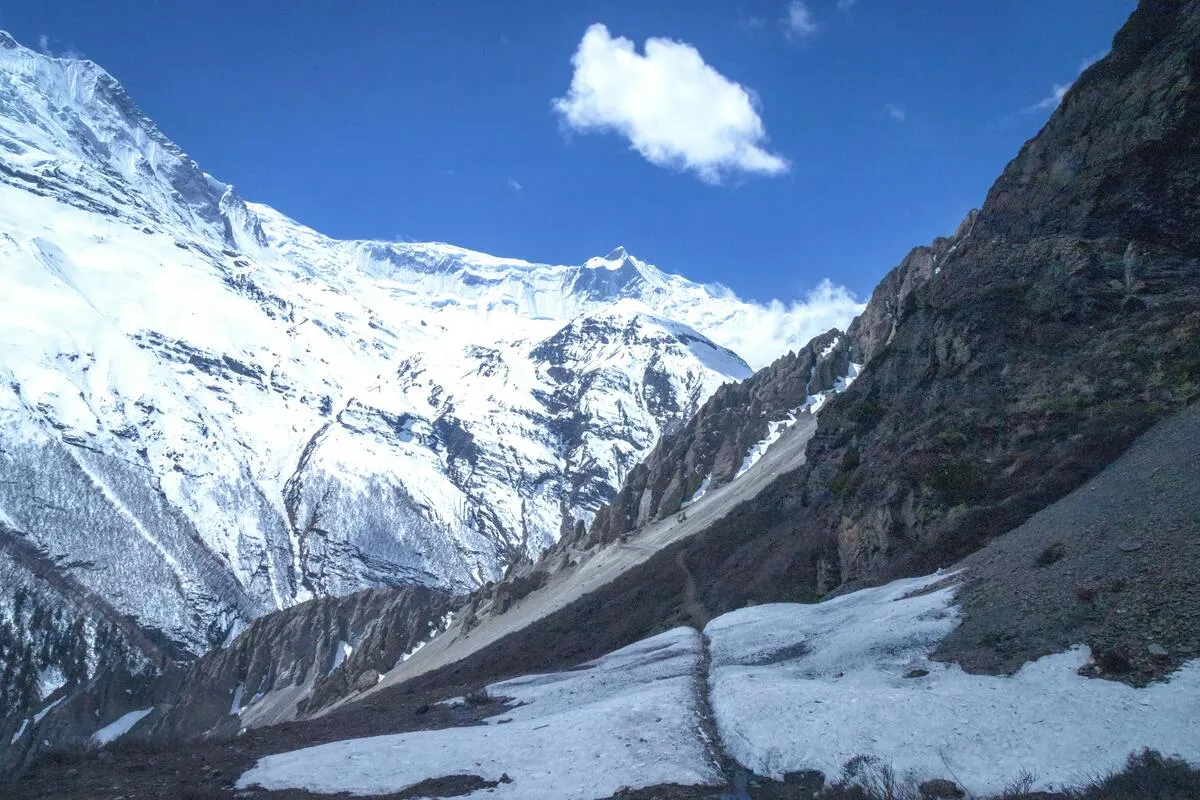
Why Himalayan Glaciers Are Melting Faster Than Ever — And Why the World Should Care
Himalayan glaciers are melting faster than ever. Discover the real causes, scientific warnings, and what glacier loss means for rivers, communities, and climate.
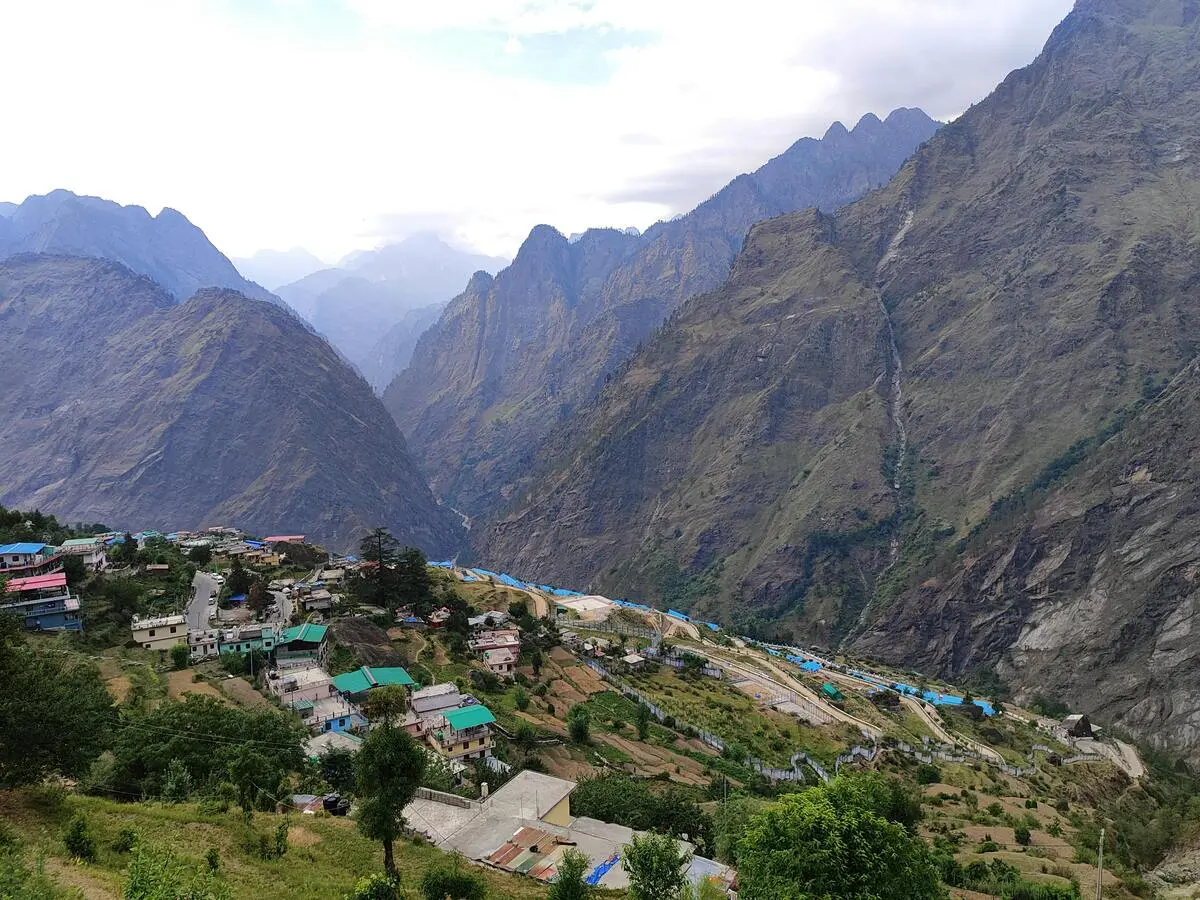
Why Is Joshimath Sinking — And Could It Happen Again Elsewhere?
Why is Joshimath sinking? Explore the causes, land subsidence risks, and what this crisis means for Uttarakhand and the fragile Himalayas.