Fragile Himalayan Ecosystem: Causes, Threats & Conservation
Introduction
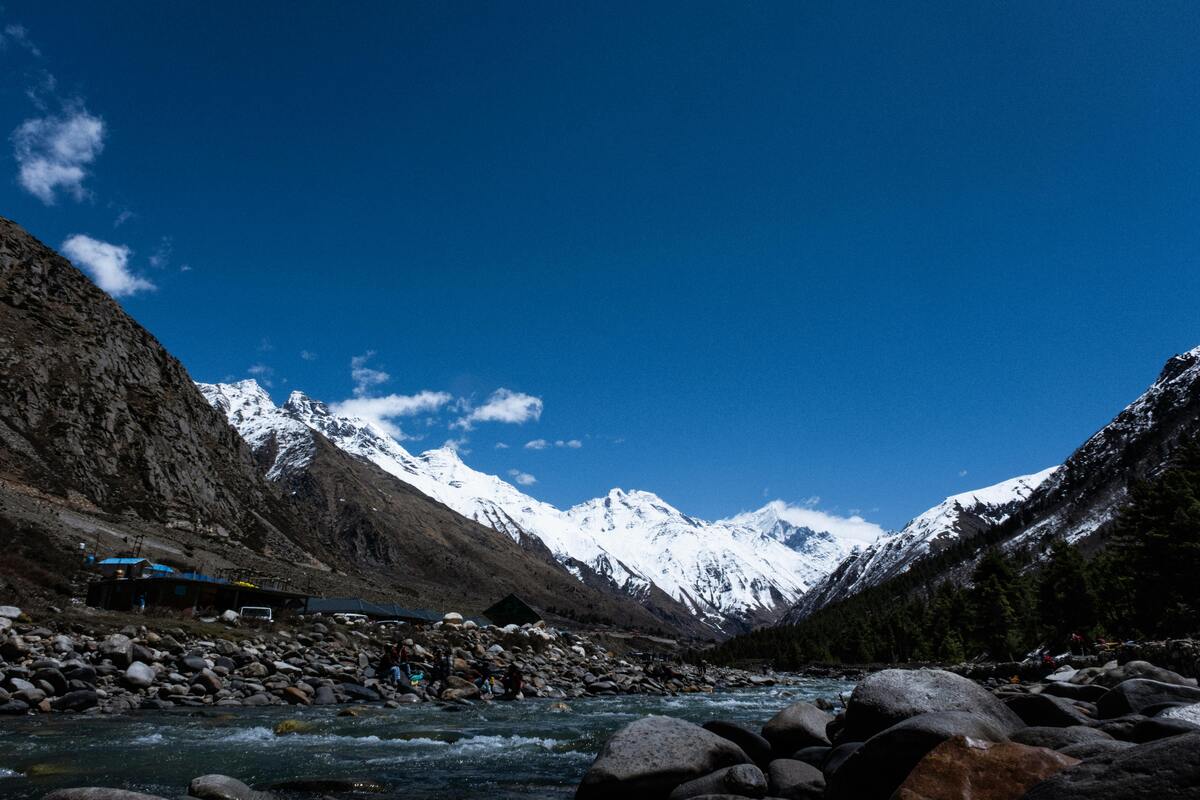
The first thing many people notice in the Himalayas is the silence. Not a complete absence of sound, but a softer, gentler quiet — wind rustling through pine trees, distant streams flowing below, birds calling across valleys. It feels timeless, almost untouched.
Yet this sense of permanence can be deceiving. The fragile Himalayan ecosystem supports over 240 million people and is home to thousands of unique plant and animal species, making it one of the most important and ecologically sensitive mountain environments on Earth.
Beneath its breathtaking beauty lies a delicate balance — one that can be disrupted far more easily than most visitors realize. Understanding this fragility is the first step toward protecting these majestic mountains.
What Is the Himalayan Ecosystem?
The Himalayan ecosystem refers to the interconnected system of forests, glaciers, rivers, biodiversity, soil, and mountain communities across the Himalayan range.
It includes:
- Alpine meadows
- Snow-fed river systems
- Dense forests
- Wildlife habitats
- Traditional mountain villages
Because the Himalayas are geologically young mountains, their slopes are unstable, soils are thin, and ecological recovery is slow. This makes the entire system highly sensitive to disturbance.
Why Himalayan Ecosystems Are So Fragile?
The Himalayan ecosystems are still young in geological terms. Unlike older mountain ranges, their slopes are still settling, their soils are thin, and their ecosystems take a long time to recover from disturbance.
A single landslide can erase farmland that took generations to build. A polluted stream can affect drinking water for entire villages downstream. Trees grow slowly here, and once lost, forests may take decades to return — if they return at all.
Life in the Himalayan region depends on precise natural rhythms: snowfall that feeds rivers, monsoon rains that nourish crops, forests that hold soil together. When these rhythms are disturbed, the impact is immediate and far-reaching.
How Life & Livelihoods Depend on Himalayan Ecosystems
In Himalayan villages, nature is not something separate from daily life. The Himalayan biodiversity supports both the land and the livelihoods of these communities. Forests provide fuel, fodder, and medicine. Rivers irrigate fields and supply drinking water. Grazing lands support livestock, which in turn support families.
For centuries, local communities developed ways to live within these limits. Seasonal migration, crop rotation, forest-use rules, and shared water systems helped maintain balance. These weren’t written policies — they were lived knowledge.
When ecosystems suffer, livelihoods suffer too. A drying spring doesn’t just mean less water; it means longer walks for women, failing crops, and sometimes entire villages being forced to relocate.
Human Activities Increasing Pressure on Himalayan Ecosystems
Development and tourism have brought opportunities to the Himalayan region, but poorly planned projects can threaten its fragile natural balance. Promoting sustainable tourism in the Himalayas can help reduce these impacts.
Road construction often cuts through unstable slopes. Hotels and new infrastructure increase demand for water, wood, and waste disposal in places never designed to handle such pressure. Plastic, once rare in remote areas, now finds its way into rivers and forests.
Plastic waste has become one of the fastest-growing threats in these regions. You can read more about this in the problem of waste and plastic in Himalayan tourist areas.
This isn’t about blaming travelers or local communities. Many impacts come from lack of awareness rather than bad intentions. But in fragile ecosystems, even small changes can have lasting effects.
Climate Change in the Himalayas: A Quiet but Powerful Threat
Climate change in these mountains doesn’t always arrive as dramatic disasters. In the region, it often shows up quietly.
Snowfall patterns are changing. Springs that flowed year-round are drying earlier each year. Farmers struggle to predict planting seasons. Sudden rains trigger landslides where slopes were once stable.
These changes are deeply unsettling for communities that rely on natural cycles they once understood well. Climate change doesn’t replace existing problems — it magnifies them.
Tourism has reshaped many villages in both positive and negative ways, which we discuss further in tourism’s impact on Himalayan communities.
How Local Communities Protect Himalayan Ecosystems
Despite these challenges, Himalayan communities play a vital role in environmental conservation in mountain regions.
Many villages manage community forests, regulate grazing, and protect water sources through collective effort. Some have shifted toward community-led tourism, where homestays and local guides ensure income without overexploiting resources.
These efforts are rooted in a simple understanding: protecting nature is not optional — it’s survival.
Why Awareness Matters More Than Rules Alone
Laws and policies are important, but they mean little without awareness.
When visitors understand why water is scarce, they use it carefully. When builders understand slope stability, they plan responsibly. When travelers see villages as living communities rather than photo spots, behavior changes naturally.
Awareness creates respect — and respect leads to protection.
How Travelers Can Help Protect Fragile Himalayan Ecosystems
Travelers play a role, even without realizing it.
Staying longer in fewer places reduces pressure. Supporting locally run accommodations keeps benefits within the community. Carrying back waste, conserving water, and respecting trails all matter in fragile landscapes.
Responsible travel doesn’t limit experiences — it deepens them. Conversations become richer, landscapes feel more meaningful, and journeys leave fewer scars behind.
If you’re new to the idea, our guide on responsible travel in the Himalayas explains what sustainable tourism really means and how small choices can protect local communities and nature.
Frequently Asked Questions (FAQs)
Why is the Himalayan ecosystem considered fragile?
The Himalayan ecosystem is fragile because the mountains are geologically young, slopes are unstable, soils are thin, and ecosystems recover slowly from damage.
What are the main threats to the Himalayan ecosystem?
Major threats include climate change, deforestation, unplanned infrastructure development, landslides, and tourism-related waste.
How does climate change affect the Himalayas?
Climate change alters snowfall patterns, accelerates glacier melt, dries springs, and increases extreme rainfall events, leading to landslides and water shortages.
Why is the Himalayan ecosystem important?
It provides water security, supports biodiversity, regulates climate, and sustains the livelihoods of millions of people across South Asia.
How can tourism impact fragile Himalayan ecosystems?
Unmanaged tourism can increase waste, strain water resources, damage forests, and destabilize slopes. Responsible tourism helps reduce these impacts.
A Question of Balance
The Himalayas have always taught balance — between humans and nature, use and restraint, movement and stillness.
Protecting fragile Himalayan ecosystems isn’t about stopping development or travel. It’s about slowing down enough to understand consequences. When we approach the mountains with humility rather than entitlement, protection becomes a shared responsibility — and a shared privilege.
Related Articles
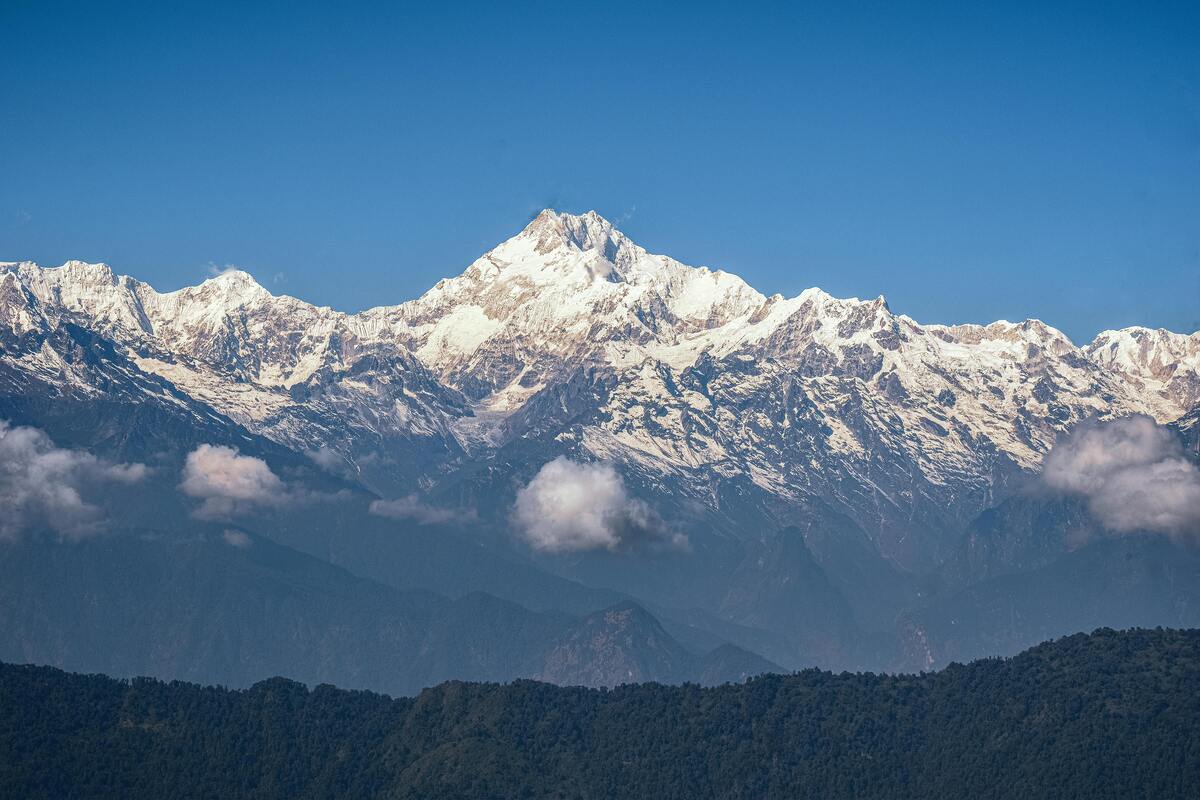
Why Himadri is the Highest Himalayan Range (Explained in a Simple Way)
Why is Himadri higher than other Himalayan ranges? Discover the simple reasons behind its height with an easy, beginner-friendly explanation.
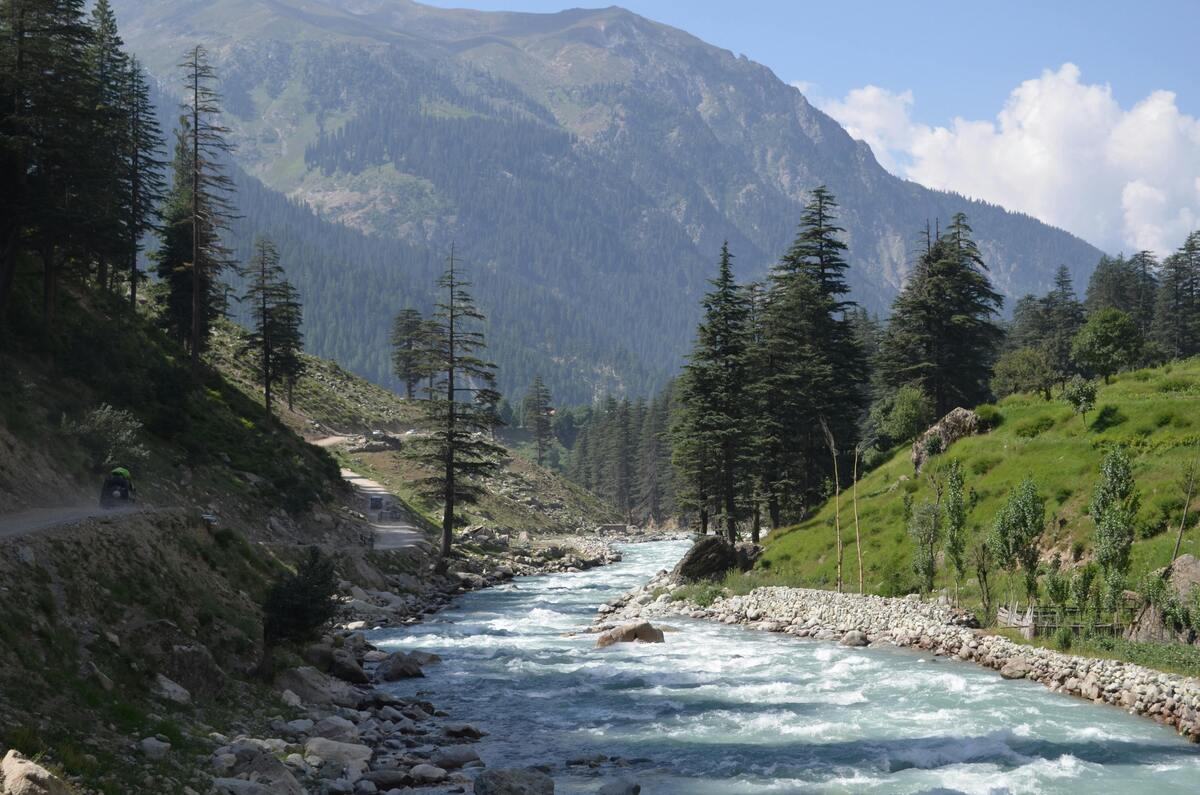
Climate Change Impact on Himalayan Rivers
Climate change is rapidly affecting Himalayan rivers like the Ganges, Brahmaputra, and Indus. Learn how glacier melting, changing rainfall, and floods threaten water security for nearly 2 billion people.
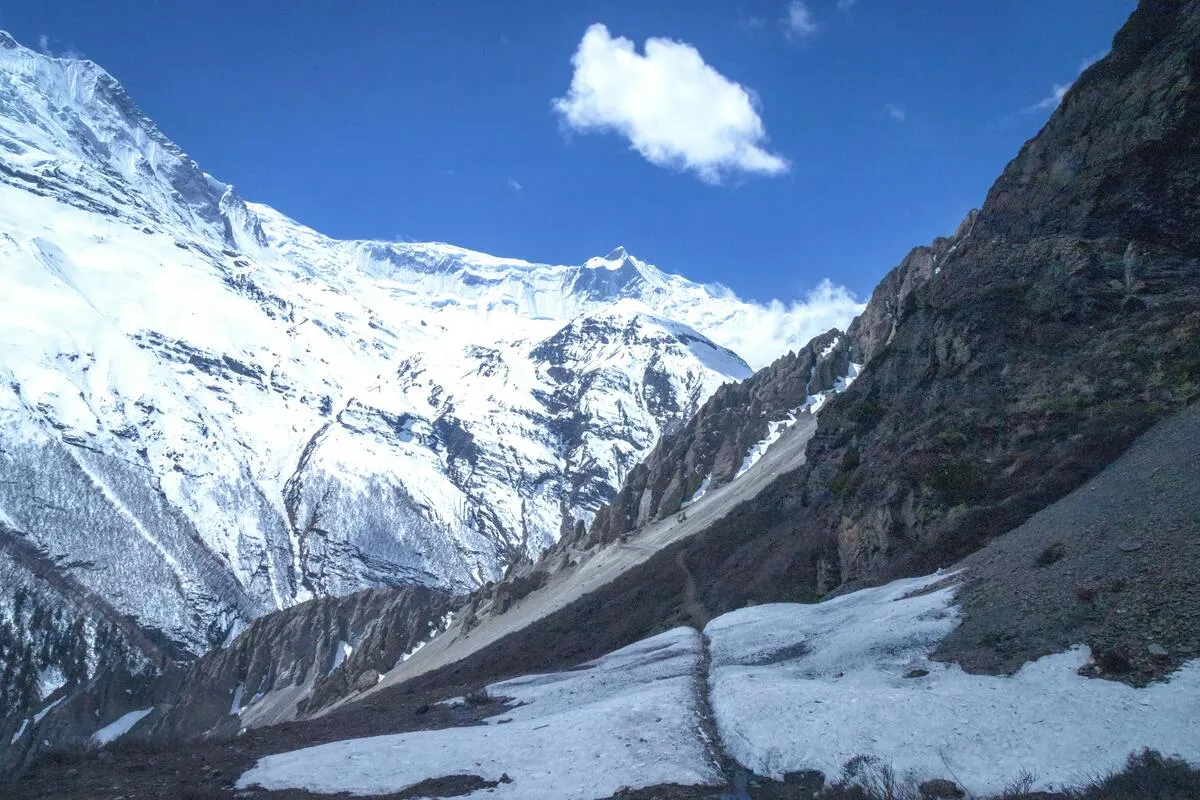
Why Himalayan Glaciers Are Melting Faster Than Ever — And Why the World Should Care
Himalayan glaciers are melting faster than ever. Discover the real causes, scientific warnings, and what glacier loss means for rivers, communities, and climate.