
Responsible Travel in the Himalayas: What It Really Means and Why It Matters
Introduction
Responsible travel in the Himalayas is not just about visiting beautiful mountains or ticking destinations off a list. It is about how you choose to travel—how you treat the land, how you speak to local people, and what you leave behind when you move on. In a region as fragile as the Himalayas, these choices matter more than most travelers realize.
People come to the Himalayas for many reasons. Some are drawn by snow-covered peaks and forest trails, others by quiet villages, spiritual spaces, or the gentle rhythm of mountain life. Trekking through pine forests, sharing a meal in a small homestay, or watching the day unfold in a hill town often leaves a deeper impression than any sightseeing spot ever could. Yet behind this beauty lies a delicate Himalayan ecosystem and communities that depend directly on forests, rivers, and limited resources to survive.
Over the years, the impact of unplanned tourism has become increasingly visible across Himalayan regions. Plastic waste along trekking routes, overcrowded destinations during peak seasons, pressure on water sources, and the gradual erosion of local traditions are no longer isolated issues. In the mountains, even small actions—like discarding a plastic wrapper or ignoring local customs—can affect an entire village.
This is where responsible travel in the Himalayas becomes essential. It is not just about loving nature or traveling slowly. It means taking the time to understand mountain life, minimizing environmental impact, respecting local culture, and supporting communities in meaningful ways. Responsible travel is about remembering that you are a guest in someone else’s home—and acting accordingly.
This guide is written for travelers who want to go beyond surface-level experiences. It explains what responsible travel truly means in the Himalayan context, why it matters so deeply here, common mistakes travelers make without realizing it, and practical ways to travel more consciously—so your journey leaves a positive impact long after you return home.
For a complete pre-trip checklist: Things Tourists Should Know Before Visiting Himalayan Regions
Why Responsible Travel Is Essential in the Himalayan Range
The Himalayan range is one of the most ecologically sensitive areas in the world. Landslides, deforestation, water scarcity, and waste mismanagement already threaten many towns and Himalayan villages. Unlike urban centers, mountain communities face unique challenges:
- Medical facilities are limited, and reaching help can take hours.
- Waste-disposal systems are weak, leaving rivers and trails vulnerable to pollution.
- Water and electricity supplies are often restricted, especially in remote villages.
- Fragile soils and slow environmental recovery make even small disturbances lasting.
Mass tourism adds further pressure — more vehicles on narrow roads, plastics polluting rivers, and overcrowding in small towns. Local residents sometimes have to compromise traditions or daily routines to cope with visitor demands.
Traveling responsibly helps reduce these pressures. Simple choices, like staying in locally run accommodations, minimizing waste, and respecting customs, ensure that tourism benefits both visitors and the communities they encounter.
What Responsible Travel in the Himalayas Really Means
Responsible travel begins with understanding that you are entering a living community, not just visiting a destination. In Himalayan villages, your choices ripple through both society and the fragile mountain environment. Every step you take, every meal you eat, and every interaction you have can leave a lasting impression.
Key practices of responsible travel:
- Choosing accommodations that support local families: Staying at a homestay or a locally run lodge in a Himalayan village provides income directly to the people who live there. Beyond supporting families, it offers a chance to experience daily mountain life—sharing stories over a meal or watching a village morning unfold.
If you’re unsure how to identify ethical stays, this guide on choosing a responsible homestay in the Himalayas can help.
- Respecting cultural traditions and religious spaces: Observing local customs, speaking softly in temples, and asking before photographing villagers shows respect. These gestures foster trust and create meaningful connections that go far beyond sightseeing.
Many visitors unknowingly break social norms, which is why understanding cultural etiquette tourists often ignore in Himalayan regions can make a meaningful difference.
- Being mindful of resources: Water, electricity, and food are limited in remote mountain areas. Simple actions—like taking shorter showers, turning off unused lights, or finishing your meal—help preserve these essential resources for both locals and future visitors.
- Avoiding activities that disturb wildlife or damage nature: Stick to marked trails, avoid feeding wild animals, and never venture into restricted areas. Small choices help maintain the delicate balance of forests, rivers, and habitats that communities rely on.
- Responsible travel is not about sacrifice or discomfort. It is about balance—enjoying the trails, villages, and forests of the Himalayan range while ensuring that your presence does not cause long-term harm.
If you’re looking for step-by-step actions, read our practical guide for first-time visitors.
Every decision you make as a traveler—where you stay, how you interact, and what you consume—can leave a positive mark on the people, culture, and environment of the Himalayan villages you visit.
Common Myths About Sustainable Tourism in Himalayan Villages
Many travelers misunderstand what sustainable or responsible tourism means. Let’s debunk some myths:
Myth 1: Responsible travel is expensive
Many think traveling responsibly costs more, but in Himalayan villages, staying at a local homestay or enjoying traditional meals is often cheaper than luxury hotels — and far more rewarding.
Myth 2: Small actions don’t matter
Even minor choices make a big difference in fragile mountain ecosystems. Carrying back plastic waste, avoiding unnecessary consumption, or walking quietly on trails can help protect Himalayan villages and surrounding forests.
Myth 3: Nature recovers easily
Mountain ecosystems recover very slowly. Damage caused in a single tourist season, like trail erosion or littering, may take decades to heal in the Himalayan range.
Understanding these myths is the first step toward traveling in ways that support the people and environment of Himalayan villages, not just visit them.
Avoid common pitfalls: Zero-Waste Travel Tips for Himalayan Trips
Impact of Tourism on Himalayan Villages
Many Himalayan villages rely directly on forests, rivers, and farmland for daily life. Tourism can bring much-needed income and opportunities, but if not managed carefully, it can also disrupt traditional lifestyles and fragile ecosystems.
Positive impacts:
- Employment through homestays and guiding: Visitors staying in local homes or hiring village guides help families earn a living while sharing stories and traditions.
- Revival of traditional crafts and skills: Tourists’ interest in handmade goods can encourage locals to continue weaving, carving, and other heritage practices.
- Improved connectivity and cultural awareness: Interaction with travelers can bring new knowledge, infrastructure improvements, and pride in local heritage.
Negative impacts:
- Cultural dilution and loss of traditions: Over time, some customs or festivals may be altered to cater to tourists.
- Increased waste and water shortages: Non-biodegradable waste and higher water use strain small village resources.
- Rising cost of living for locals: Tourism-driven prices for goods and services can make daily life more expensive for residents.
Responsible tourism helps ensure that benefits reach local communities without compromising their way of life. Supporting community-led initiatives—from village homestays to eco-tourism projects—can preserve culture, protect the environment, and sustain livelihoods.
Every visitor’s choices, from where they stay to how they treat the environment, can either strengthen or strain these mountain communities.
Being a responsible traveler doesn’t require grand gestures. Often, it’s the simple habits that make the biggest difference.
- Carry a reusable water bottle
- Avoid single-use plastics
- Respect local dress codes and customs
- Ask permission before photographing people
- Stay on marked trekking trails
- Travel slowly and spend more time in fewer places
These practices don’t just protect the environment—they often lead to richer experiences and more meaningful connections with local people.
The Role of Local Communities
Local communities are the true guardians of the Himalayas. Their understanding of the land, weather patterns, wildlife, and traditions has been shaped over generations.
When tourism supports community-led efforts, it strengthens both people and place.
Ways to support local communities:
- Stay in locally run homestays
- Hire local guides and porters
- Buy handmade goods directly from artisans
- Eat locally grown and prepared food
When tourism supports livelihoods, communities have stronger reasons—and greater ability—to protect their environment, creating a positive cycle for future generations.
Mistakes Well-Meaning Tourists Often Make
Even travelers with good intentions sometimes make mistakes without realizing it.
- Overpacking and creating unnecessary waste
- Expecting city-like facilities in remote areas
- Treating villages as photo backdrops rather than living communities
- Ignoring local advice about weather, routes, or customs
Awareness is the first step toward traveling more responsibly.
Why Slow and Responsible Travel Matters
Slow travel allows space—for understanding, connection, and respect.
It reduces pressure on fragile ecosystems, encourages deeper cultural exchange, and helps preserve biodiversity and heritage.
Today, the Himalayas face growing threats from climate change, unplanned development, and mass tourism. How we travel now will shape the future of these mountains.
When travelers choose responsible practices, they:
- Protect biodiversity
- Preserve cultural heritage
- Support local communities
- Create travel experiences that feel meaningful, not rushed
Responsible travel is not a trend.
For mountain regions like the Himalayas, it is a necessity—for both people and the land they call home.
Is responsible travel the same as eco-tourism?
Not exactly. Eco-tourism mainly focuses on protecting nature and wildlife. Responsible travel goes a step further—it also considers local culture, livelihoods, and how tourism affects everyday life in mountain communities.
Is responsible travel only for trekkers and adventure travelers?
No. Responsible travel applies to everyone—families, solo travelers, pilgrims, photographers, and leisure tourists. No matter how you travel, your choices leave an impact.
Does responsible travel reduce comfort or enjoyment?
Not at all. In fact, many travelers find that slowing down, staying locally, and engaging respectfully creates deeper memories and a more meaningful experience than rushed sightseeing.
Do small actions, like carrying back trash, really matter?
Yes. In fragile mountain ecosystems, even small actions make a big difference. What seems insignificant in cities can cause long-term damage in the Himalayas, where recovery is slow.
Conclusion
Responsible travel in the Himalayas begins with awareness—of the land, the people, and the limits of the mountains themselves. It asks travelers to look beyond scenic views and understand the realities of mountain life.
By supporting local communities, respecting cultural traditions, and traveling mindfully, tourism can remain a force for good rather than a burden.
The Himalayas offer more than beautiful destinations. They teach patience, balance, and coexistence. When you travel responsibly, the journey becomes more than movement through mountains—it becomes a genuine connection with people, nature, and place.
Related Articles
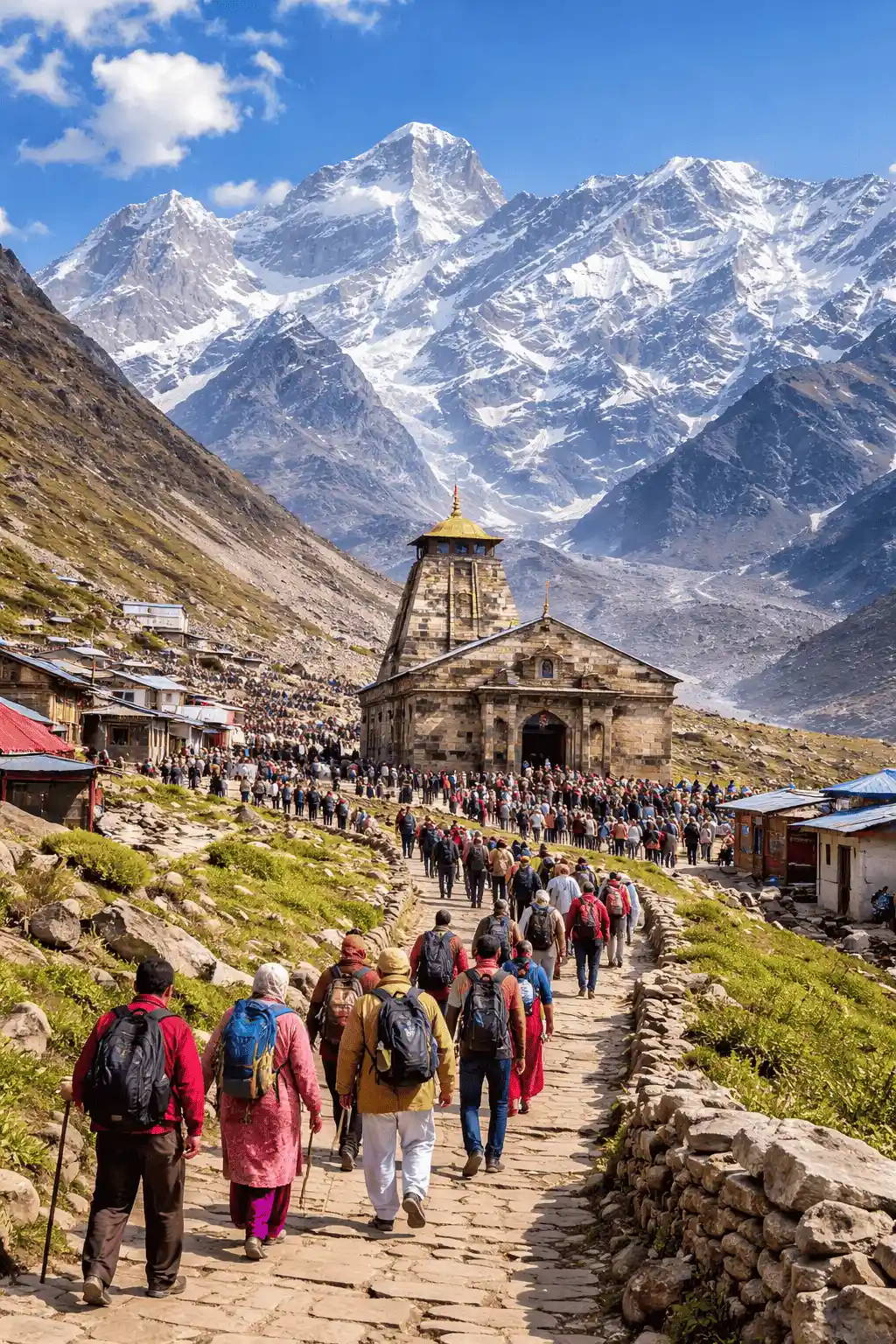
Is Char Dham Yatra Getting Too Crowded? What Pilgrims Should Know
Crowds at Char Dham Yatra are rising every year. Is it becoming too crowded? Here’s a simple look at the ground reality and what pilgrims should know.
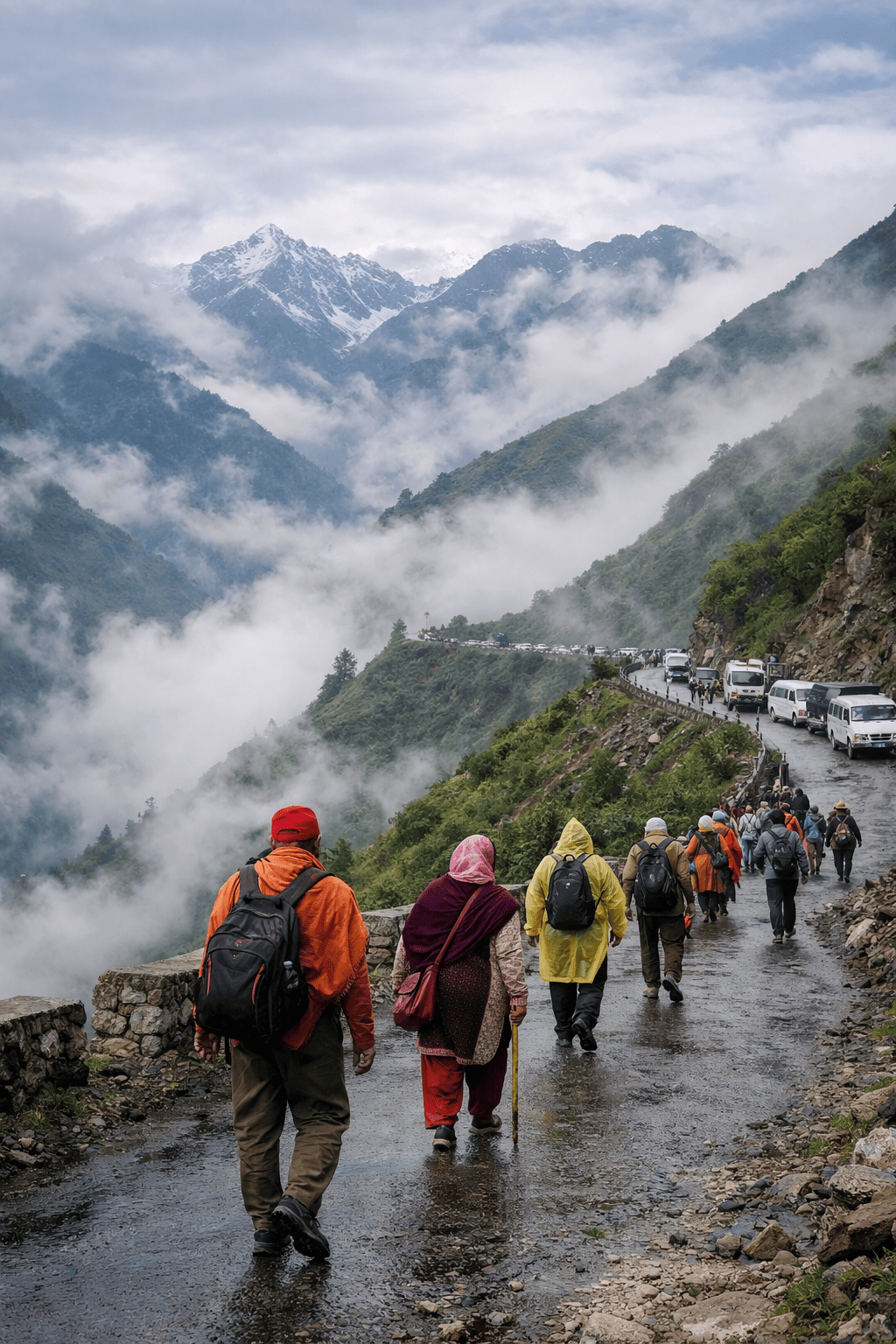
Is the Char Dham Yatra Becoming More Challenging Each Year?
Changing weather, frequent landslides, and crowded routes are reshaping the Char Dham Yatra. Here’s why preparation matters more than ever.
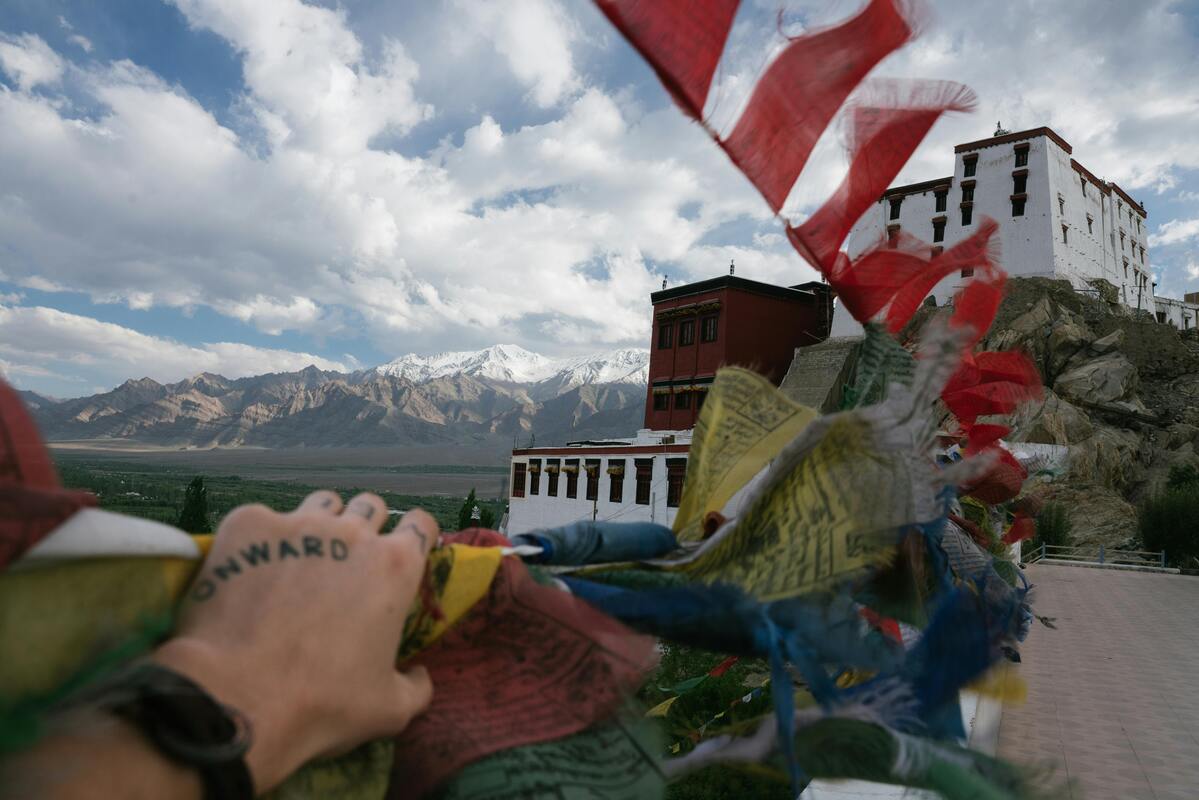
Cultural Etiquette Tourists Often Ignore in Himalayan Regions
Learn the cultural etiquette travelers often overlook in Himalayan villages and regions, and how respectful behavior leads to deeper, more meaningful travel experiences.