
Things Tourists Should Know Before Visiting the Himalayas
Introduction
Visiting the Himalayan regions is a dream for many travelers. Snow-covered peaks, peaceful villages, ancient temples, forests, rivers, and a slower way of life make the mountains deeply attractive. But the Himalayas are not just a tourist destination — they are one of the most fragile ecosystems on Earth and home to millions of people who depend directly on nature for survival.
Before packing your bags, it is important to understand that traveling in the mountains is very different from traveling in cities or popular beach destinations. Limited resources, sensitive landscapes, cultural traditions, and changing weather conditions mean that even small actions by visitors can create long-term consequences.
Knowing what to expect — and how to behave responsibly — helps protect the environment, respect local communities, and make your journey safer and more meaningful.
If you are new to conscious travel, start with this guide:
Responsible Travel in the Himalayas: What It Really Means and Why It Matters
1. The Himalayas Are Extremely Fragile
The Himalayan mountain range is still geologically young and unstable. Landslides, soil erosion, earthquakes, glacier melting, and climate change already place enormous stress on the region.
Unlike urban ecosystems, mountain environments recover very slowly. A damaged trail, polluted river, or deforested slope can take decades to heal.
As a traveler, this means:
- Stay on marked paths
- Avoid damaging plants
- Do not collect stones, flowers, or wood
- Never litter, even in remote areas
- Avoid off-road driving
Understanding this fragility is the first step toward responsible travel in the Himalayas.
2. Water Is Precious in Mountain Regions
Many Himalayan villages struggle with water shortages, especially in summer when tourism peaks. Springs dry up, pipelines freeze in winter, and rivers often run far below settlements.
Using excessive water for long showers, frequent laundry, or unnecessary washing puts pressure on local households who may walk long distances to fetch water.
Responsible habits:
- Take short showers or bucket baths
- Reuse towels
- Avoid washing clothes frequently
- Never pollute rivers or streams
Clean water is life in the mountains.
3. Waste Management Is Limited
Most Himalayan towns and villages do not have modern waste-processing systems. Garbage often ends up:
- in open dumps
- burned
- thrown into valleys
- or washed into rivers
Plastic waste is one of the biggest threats to Himalayan ecosystems today.
Before traveling:
- Carry a reusable water bottle
- Bring cloth bags
- Avoid packaged snacks
- Carry your trash back to towns
- Never throw waste on trails
Your waste does not disappear just because you leave the mountains.
4. Medical Facilities Are Basic or Far Away
In many remote Himalayan areas:
- Hospitals are small
- Doctors are limited
- Emergency transport is slow
- Weather can delay rescue
Tourists should:
- Carry personal medicines
- Pack a basic first-aid kit
- Inform someone about trekking routes
- Avoid risky shortcuts
- Buy travel insurance for remote areas
Do not assume help will be immediate.
5. Weather Changes Quickly and Unpredictably
Himalayan weather is highly unpredictable. Clear mornings can turn into snowstorms or heavy rain within hours.
Important points:
- Check forecasts daily
- Start treks early
- Carry warm layers even in summer
- Avoid traveling during heavy monsoon
- Listen to local advice
Ignoring weather warnings causes many accidents every year.
6. Local Culture Is Deeply Rooted and Sensitive
Himalayan communities have preserved traditions, languages, clothing, and spiritual beliefs for centuries. Many villages are deeply religious, and customs vary widely between regions.
Respect includes:
- Dressing modestly
- Removing shoes in temples and homes
- Asking before taking photos
- Avoiding loud behavior
- Not touching religious objects
- Respecting elders
Culture is not decoration — it is identity.
For deeper understanding, read:
Cultural Etiquette Tourists Often Ignore in Himalayan Regions
7. Homestays Support Communities More Than Hotels
Large hotels often send profits outside the region. Homestays and locally run lodges directly support families, farmers, cooks, and guides.
Benefits of homestays:
- Local income stays local
- Cultural exchange
- Traditional food
- Authentic lifestyle experience
- Smaller environmental footprint
Choosing local accommodation is one of the strongest forms of responsible tourism.
Learn more:
How to Choose a Responsible Homestay in the Himalayas
8. Food Is Seasonal and Simple
Mountain agriculture depends on altitude, climate, and short growing seasons. Many ingredients are locally grown or transported with difficulty.
Tourists should:
- Respect limited menu options
- Avoid wasting food
- Try local dishes
- Be patient with service times
- Avoid demanding luxury items
Eating local food supports farmers and reduces transport pollution.
9. Roads Are Narrow and Travel Is Slow
Mountain roads:
- Are narrow
- Often damaged by landslides
- Have limited traffic space
- Can close suddenly
Avoid:
- Rushing schedules
- Aggressive driving
- Night travel in remote areas
- Complaining about delays
Slow travel is not inconvenience — it is safety.
10. Wildlife Is Not Entertainment
The Himalayas are home to snow leopards, Himalayan monals, musk deer, red pandas, and many rare species.
Responsible behavior:
- Never feed animals
- Keep distance
- Avoid loud noises
- Do not chase animals for photos
- Avoid wildlife selfie culture
Disturbing animals disrupts feeding and breeding cycles.
11. Connectivity Is Limited
Mobile networks and internet are unreliable in many regions. Electricity cuts are common.
Prepare by:
- Downloading maps offline
- Informing family before remote travel
- Carrying power banks
- Accepting digital detox
Disconnection is part of mountain life.
12. Respect Sacred Spaces
Many Himalayan rivers, forests, mountains, and villages are considered sacred.
Avoid:
- Swimming near temples
- Drinking alcohol in holy places
- Playing loud music
- Wearing revealing clothes
- Mocking rituals
Sacred landscapes deserve dignity.
13. Trekking Requires Responsibility, Not Just Fitness
Trekking damages fragile trails when overcrowded or mismanaged.
Before trekking:
- Hire local guides
- Avoid peak overcrowded routes
- Carry back all waste
- Use refillable bottles
- Camp only in allowed areas
Trekking without awareness causes erosion, deforestation, and waste accumulation.
14. Tourism Has Both Positive and Negative Impacts
Tourism creates jobs, improves connectivity, and revives traditional crafts. But unmanaged tourism also leads to:
- Cultural loss
- Rising prices for locals
- Waste accumulation
- Water shortages
- Environmental damage
Your choices influence which side grows stronger.
To understand this deeper:
How Tourism Affects Local Communities in Uttarakhand
15. You Are a Guest, Not a Consumer
Perhaps the most important thing to remember:
You are entering someone’s home.
The Himalayas are not a product to consume. They are living landscapes with real people, problems, traditions, and fragile balance.
Travel with:
- Humility
- Patience
- Curiosity
- Respect
Quick Responsible Travel Checklist
- Carry reusable bottle and bag
- Avoid plastic packaging
- Respect culture and dress codes
- Stay in local homestays
- Hire local guides
- Travel slowly
- Conserve water
- Carry back waste
- Respect wildlife
- Follow local advice
Frequently Asked Questions
Is it safe to travel in the Himalayas?
Yes, if you plan responsibly, follow weather updates, respect local advice, and prepare properly.
Do small actions really matter?
Yes. In fragile ecosystems, small actions multiply across thousands of visitors.
Is responsible travel expensive?
No. Local travel is often cheaper than luxury tourism.
Should I avoid traveling completely?
No. Responsible travel supports communities and conservation when done mindfully.
Conclusion
Traveling to the Himalayas is a privilege. The mountains offer beauty, peace, spiritual depth, and connection with nature — but they also face growing threats from climate change, unplanned development, and irresponsible tourism.
Understanding the realities of mountain life helps travelers move from being passive visitors to conscious participants in preservation.
When tourists choose awareness over convenience, respect over consumption, and responsibility over comfort, travel becomes a force for protection rather than destruction.
The future of the Himalayas depends not only on governments and communities, but also on every traveler who walks its trails.
Related Articles
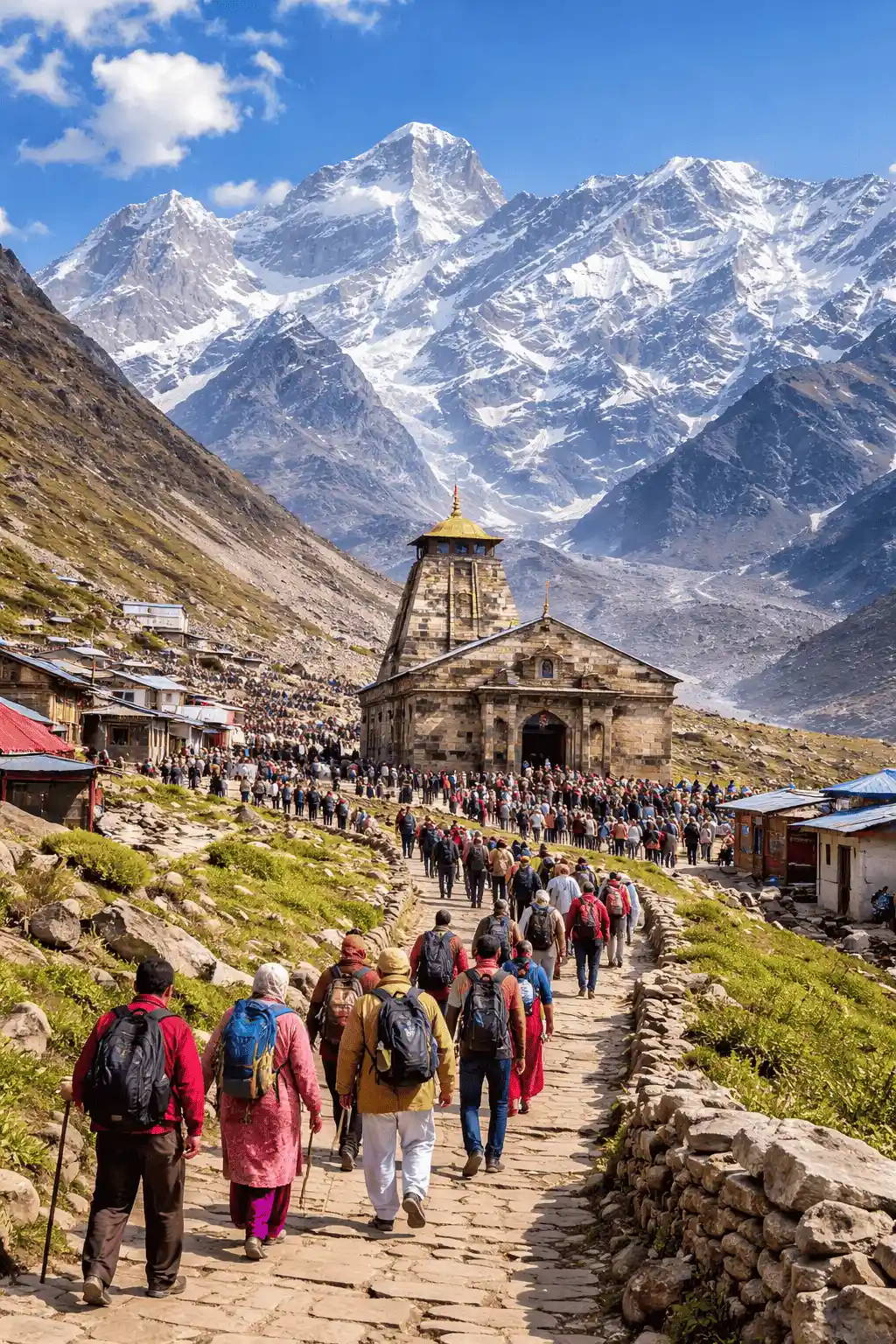
Is Char Dham Yatra Getting Too Crowded? What Pilgrims Should Know
Crowds at Char Dham Yatra are rising every year. Is it becoming too crowded? Here’s a simple look at the ground reality and what pilgrims should know.
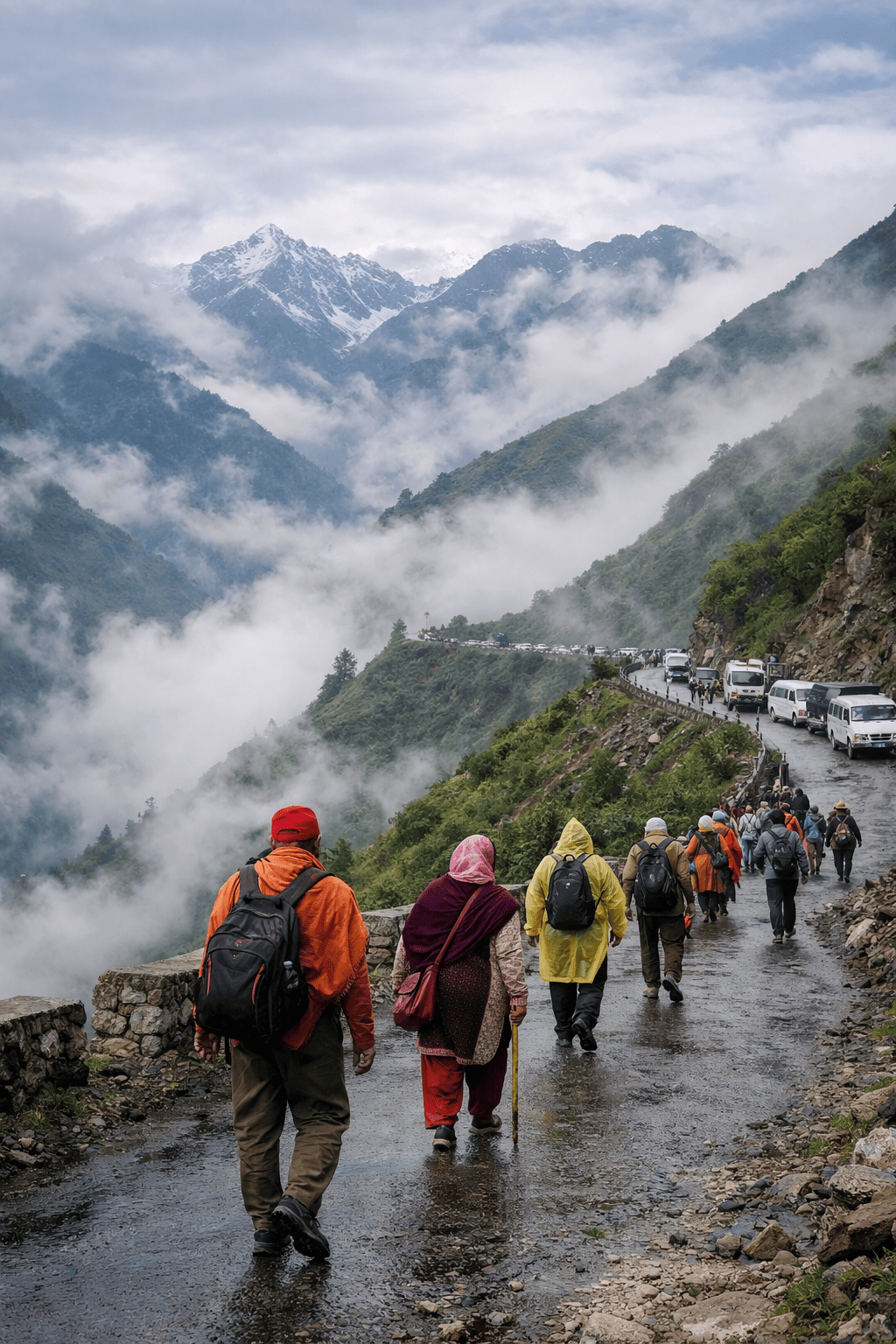
Is the Char Dham Yatra Becoming More Challenging Each Year?
Changing weather, frequent landslides, and crowded routes are reshaping the Char Dham Yatra. Here’s why preparation matters more than ever.
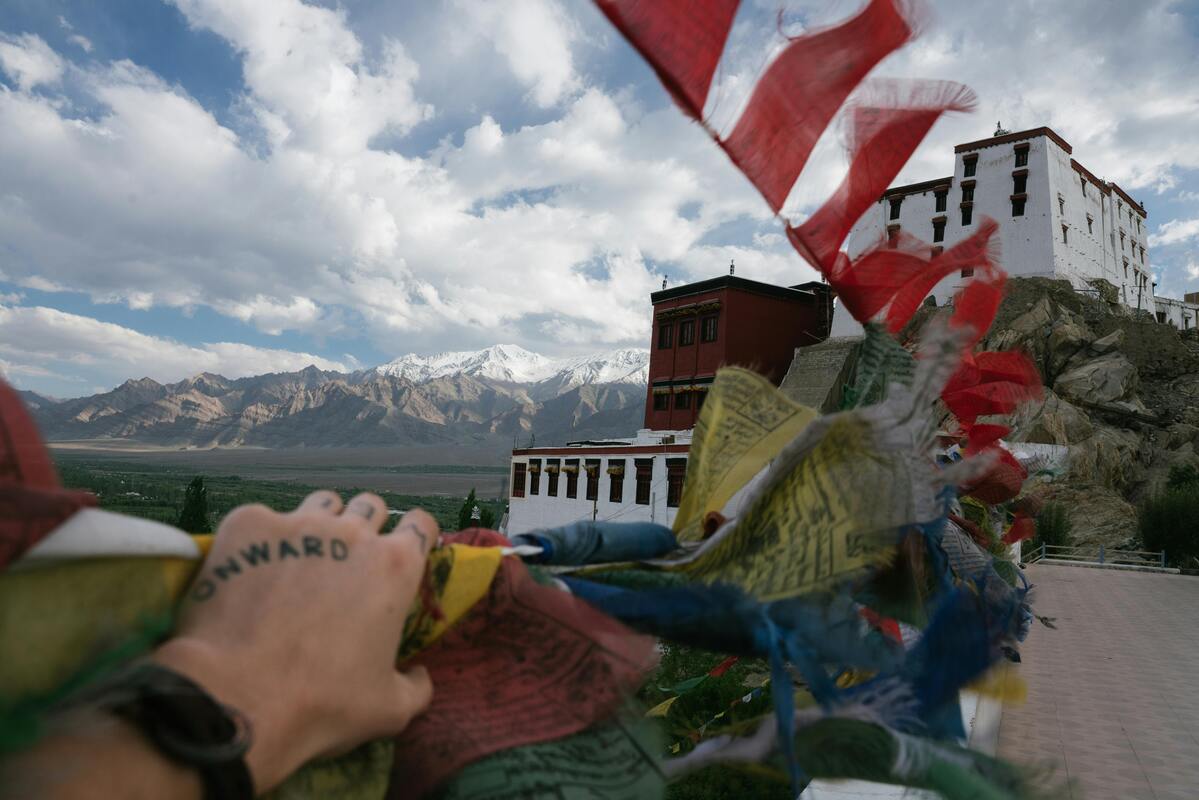
Cultural Etiquette Tourists Often Ignore in Himalayan Regions
Learn the cultural etiquette travelers often overlook in Himalayan villages and regions, and how respectful behavior leads to deeper, more meaningful travel experiences.