Is the Char Dham Yatra Becoming More Challenging Each Year?
Introduction: Faith That Endures, Conditions That Change
For centuries, the Char Dham Yatra has drawn pilgrims to the high Himalayas in search of devotion, reflection, and spiritual renewal. Kedarnath, Badrinath, Gangotri, and Yamunotri are not just destinations — they are deeply woven into India’s cultural and religious life.
Yet many pilgrims today quietly share a similar feeling: the journey feels different than it once did.
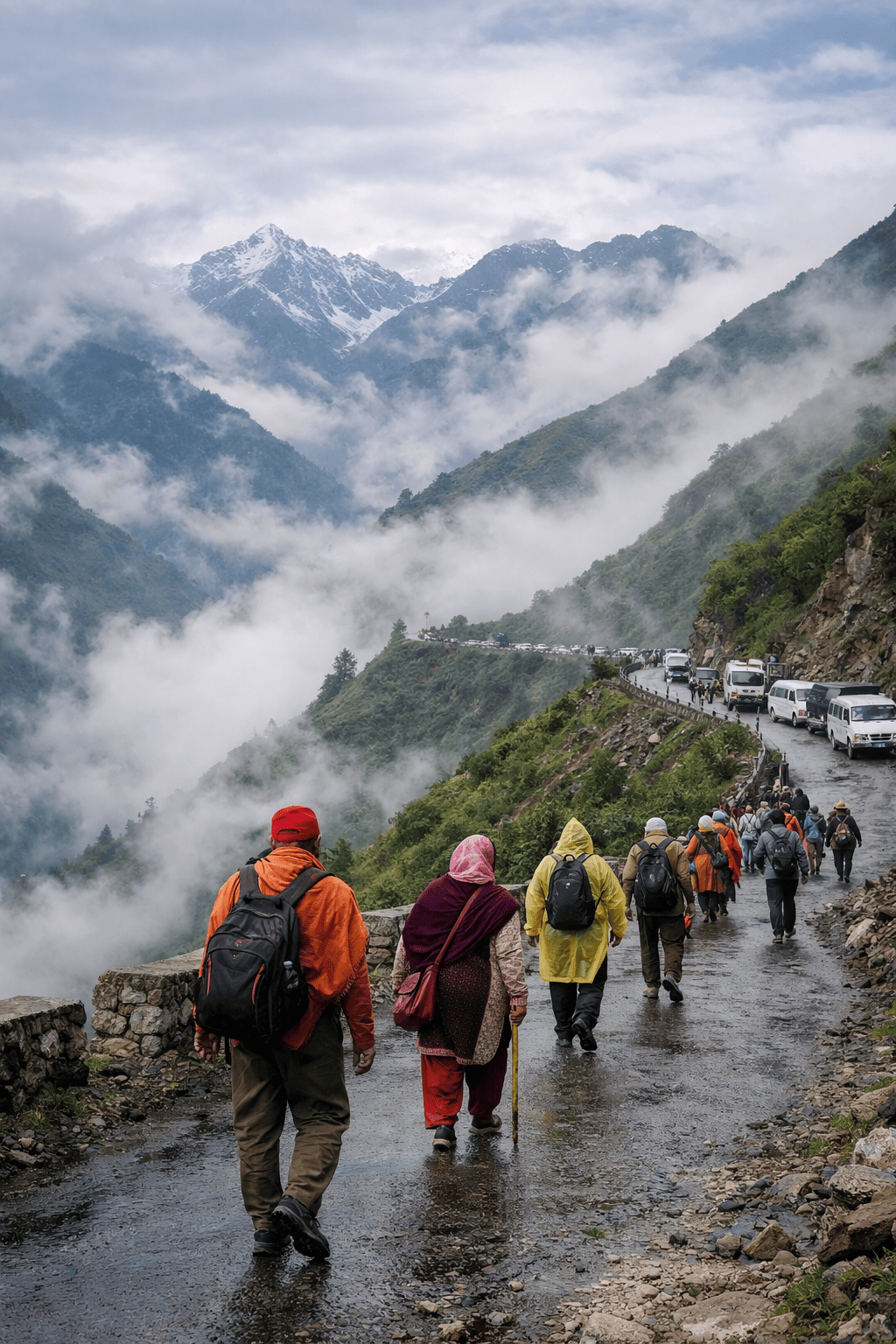
Road closures are more frequent. Weather disruptions feel unpredictable. Landslides dominate news headlines during the Yatra season. Even locals, who have lived with the mountains all their lives, acknowledge that travel conditions are changing.
This does not mean the Char Dham Yatra itself is losing meaning. But it does raise an important question — is the Yatra becoming more challenging each year, and if so, why?
The Himalayan Landscape: Naturally Fragile by Design
The Himalayas are young mountains in geological terms. Unlike older ranges, they are still rising, shifting, and reshaping themselves. This makes the region naturally prone to:
- Landslides
- Soil erosion
- Flash floods
- Road instability
Even without human activity, travel in the higher Himalayas has always required patience and respect for nature. What has changed is the scale and speed of movement through these fragile zones.
Growing Number of Pilgrims, Limited Mountain Capacity
In recent decades, the number of pilgrims undertaking the Char Dham Yatra has increased significantly. Improved road connectivity, social media visibility, and easier registrations have made the journey accessible to more people than ever before.
While this inclusivity is positive, it also brings challenges:
- Narrow mountain roads handling far more vehicles
- Small towns struggling with peak-season crowds
- Emergency services stretched thin during bad weather
Mountains do not adapt as quickly as human systems do. When pressure increases suddenly, the effects become visible — especially during the monsoon months.
Weather Patterns Are Less Predictable Than Before
Many long-time residents of Uttarakhand note that weather patterns no longer follow familiar rhythms.
Pilgrims now frequently experience:
- Sudden heavy rainfall
- Unexpected snowfall even outside peak winter
- Longer road closures due to landslides
- Delays caused by cloudbursts or flash floods
Climate scientists have repeatedly pointed out that rising temperatures in the Himalayas intensify extreme weather events. For pilgrims, this means planning has become just as important as devotion.
Landslides: The Most Common Disruption
Almost every Yatra season now includes news of landslides along major routes. These are not isolated incidents but recurring challenges.
Why landslides increase during the Yatra months:
- Heavy rain loosens already-fragile soil
- Road widening disturbs natural slopes
- Construction debris sometimes blocks natural water flow
- Increased vehicle movement adds vibration to unstable terrain
Most landslides are cleared quickly, but even short disruptions can affect thousands of pilgrims in a single day.
Road Development: Progress With Trade-Offs
Infrastructure development has improved access to Char Dham sites, especially for elderly pilgrims. Wider roads, bridges, and better connectivity have undeniable benefits.
However, road construction in steep terrain also has consequences:
- Cutting mountains alters slope stability
- Tree removal reduces natural soil binding
- Drainage changes increase erosion risk
This creates a delicate balance: better access versus long-term stability. The challenge lies in how development is planned and executed.
How Local Communities Experience the Yatra
For residents of Uttarakhand, the Char Dham Yatra is not only spiritual — it is economic.
Many families depend on:
- Seasonal hotels and homestays
- Taxi services and portering
- Small shops and food stalls
- Local guides and helpers
At the same time, locals also face:
- Water shortages during peak months
- Increased waste pressure
- Rising living costs during Yatra season
- Safety concerns when roads are blocked
Most communities do not oppose the Yatra. Instead, they hope for better management, not fewer pilgrims.
Is the Char Dham Yatra “Unsafe”?
This is an important clarification.
The Char Dham Yatra is not inherently unsafe. Millions complete it every year without incident. However, the margin for error has become smaller.
Challenges arise mainly when:
- Weather warnings are ignored
- Travel is rushed
- Pilgrims underestimate mountain conditions
- Vehicles continue moving during heavy rain
Preparedness, patience, and awareness now matter more than ever.
What Pilgrims Can Do to Travel More Responsibly
Individual choices may seem small, but collectively they make a difference.
Pilgrims can:
- Check official weather and road updates daily
- Avoid night travel in hilly areas
- Carry reusable water bottles
- Minimize plastic waste
- Respect local advice and restrictions
- Plan buffer days instead of tight schedules
A slower journey is often a safer and more meaningful one.
The Role of Planning and Governance
Authorities face a complex task:
- Ensuring safety
- Managing crowds
- Supporting livelihoods
- Protecting fragile terrain
Steps such as:
- Pilgrim registration limits
- Staggered travel dates
- Better waste systems
- Early weather alerts
- Community involvement
can significantly reduce pressure without affecting the spiritual essence of the Yatra.
Faith and Responsibility Can Coexist
The Char Dham Yatra has survived for centuries because it adapted to its environment, not because it tried to control it.
Acknowledging changing conditions does not weaken faith. In many ways, it strengthens it — by encouraging humility, patience, and respect for nature.
The mountains remind every pilgrim of the same truth: devotion thrives when humans listen, not when they rush.
Looking Ahead: A Journey That Evolves
So, is the Char Dham Yatra becoming more challenging each year?
In some ways, yes:
- Weather is less predictable
- Travel disruptions are more frequent
- Environmental pressure is visible
But challenges do not mean decline. They signal a need for adaptation.
With thoughtful planning, responsible travel, and respect for both faith and nature, the Char Dham Yatra can continue to remain a deeply meaningful journey — not just for today’s pilgrims, but for generations to come.
Frequently Asked Questions About the Char Dham Yatra
Is the Char Dham Yatra becoming more difficult each year?
The Char Dham Yatra is not inherently difficult, but changing weather patterns, increased pilgrim numbers, and frequent road disruptions have made planning and preparation more important than before. Many challenges arise from natural conditions rather than the Yatra itself.
Why are landslides common during the Char Dham Yatra season?
Landslides are common due to heavy rainfall, fragile mountain geology, road construction in steep terrain, and increased vehicle movement during peak pilgrimage months. These factors combine to make slopes unstable, especially during monsoon periods.
Does weather affect the Char Dham Yatra routes?
Yes. Sudden rain, snowfall, and cloudbursts can lead to road closures and travel delays. Weather conditions in the high Himalayas can change quickly, which is why checking official updates before and during travel is essential.
Is the Char Dham Yatra safe for elderly pilgrims?
Many elderly pilgrims successfully complete the Yatra each year. However, health checks, flexible travel plans, proper acclimatization, and awareness of weather conditions are especially important for older travelers.
How can pilgrims prepare better for the Char Dham Yatra today?
Pilgrims can prepare by planning buffer days, avoiding rushed schedules, monitoring weather alerts, traveling during daylight hours, and following local guidance. Responsible travel helps ensure safety and a more meaningful experience.
Do local communities benefit from the Char Dham Yatra?
Yes. The Yatra provides seasonal income to many Himalayan families through tourism-related work such as accommodation, transport, and local services. At the same time, communities also face challenges related to crowd pressure and resource management.
Can responsible travel reduce challenges during the Char Dham Yatra?
Responsible travel practices such as reducing plastic waste, respecting local rules, and traveling patiently can collectively reduce strain on infrastructure and help protect the fragile mountain environment.
Related Articles
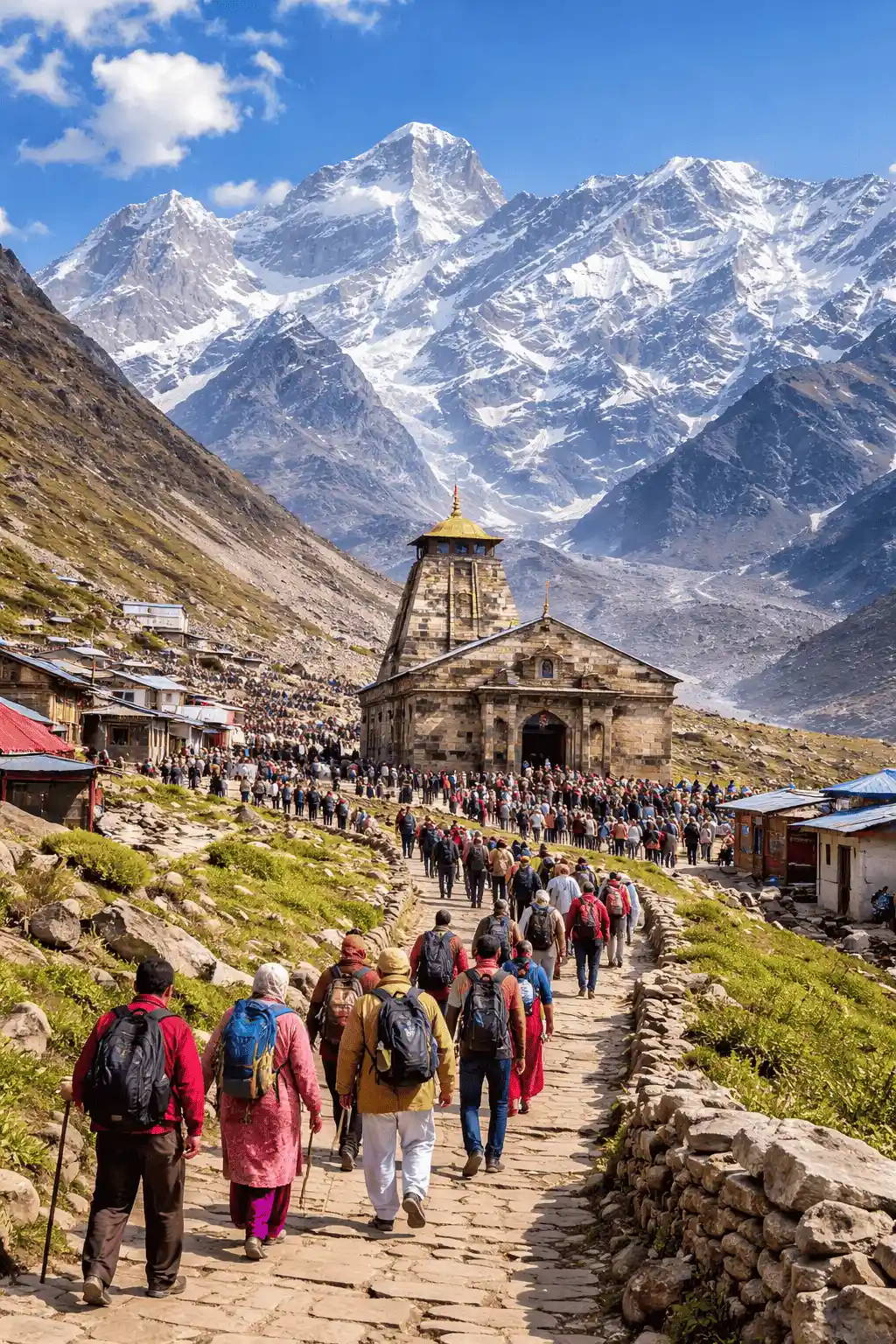
Is Char Dham Yatra Getting Too Crowded? What Pilgrims Should Know
Crowds at Char Dham Yatra are rising every year. Is it becoming too crowded? Here’s a simple look at the ground reality and what pilgrims should know.
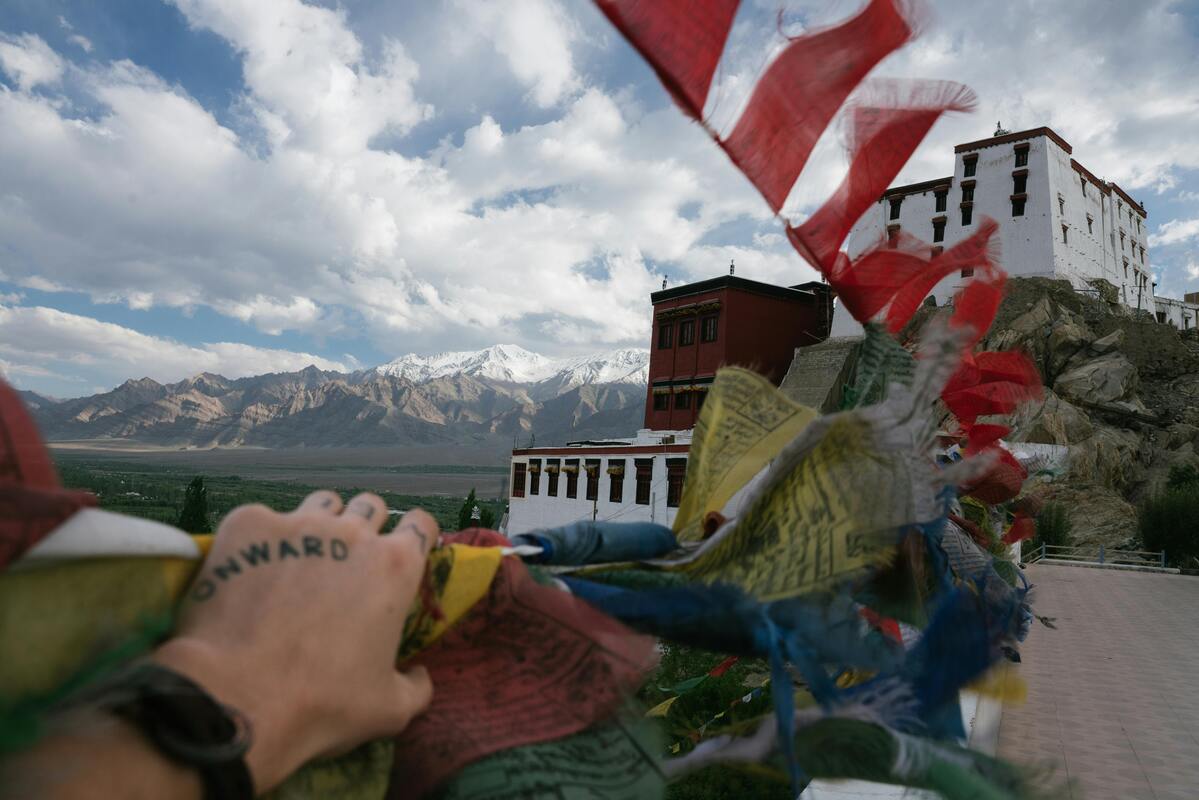
Cultural Etiquette Tourists Often Ignore in Himalayan Regions
Learn the cultural etiquette travelers often overlook in Himalayan villages and regions, and how respectful behavior leads to deeper, more meaningful travel experiences.
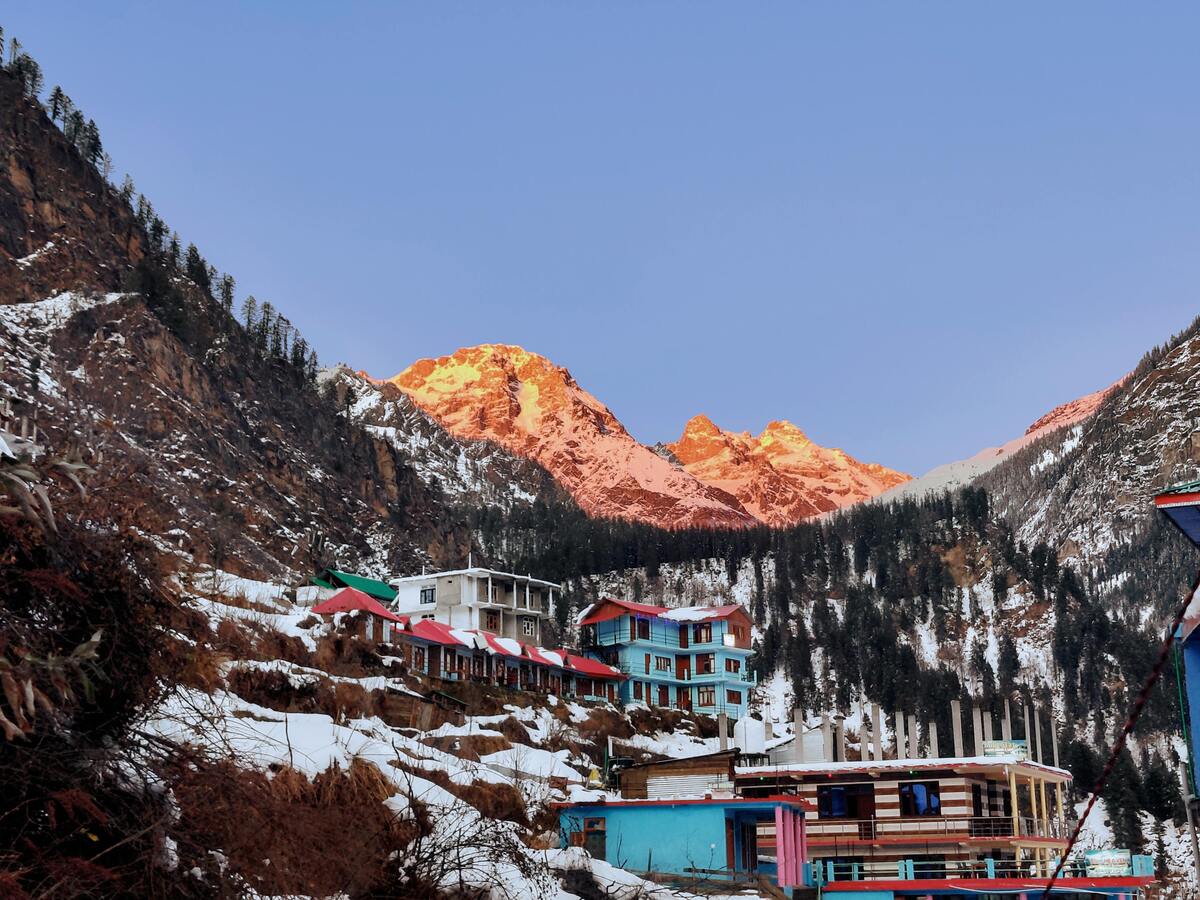
Responsible Homestays in the Himalayas: How to Choose the Right One
Learn how to choose a responsible homestay in the Himalayan region that supports local communities, respects culture, and minimizes environmental impact.