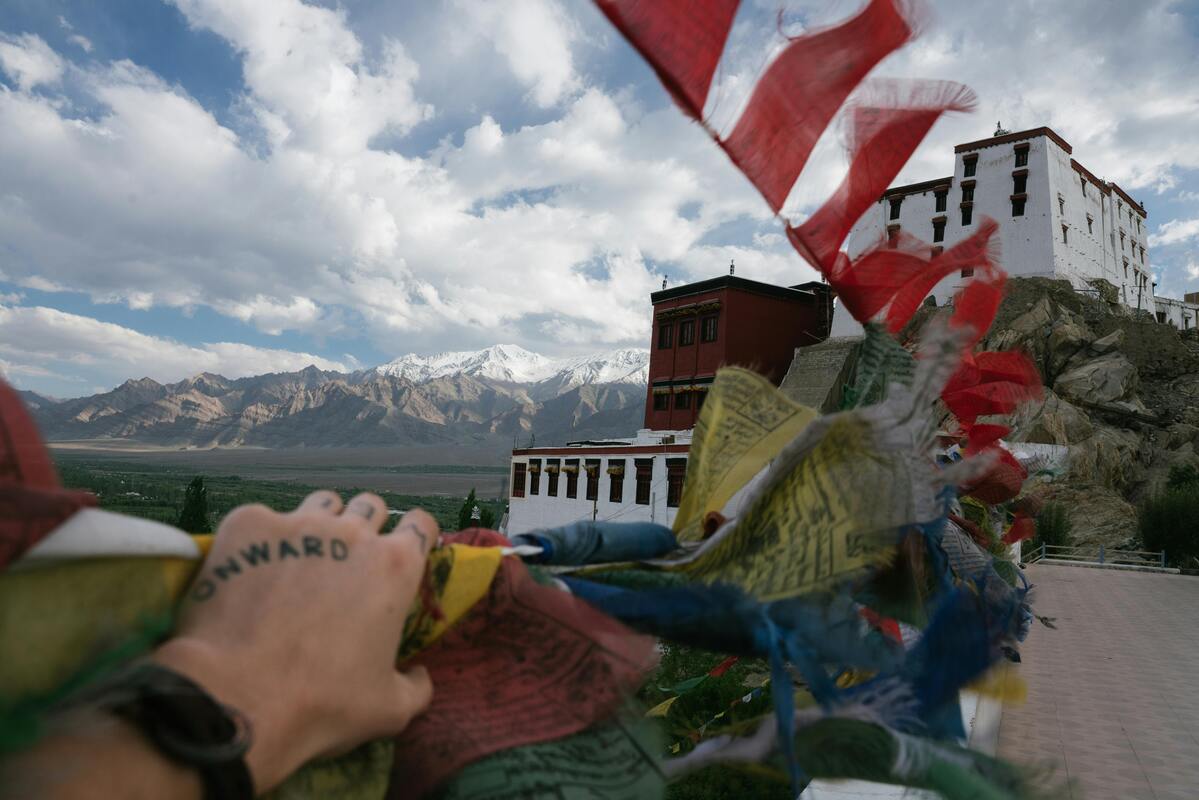
Cultural Etiquette Tourists Often Ignore in Himalayan Regions
Traveling through Himalayan regions can feel deeply calming. The slower pace, quiet mornings, mountain air, and close connection to nature often stand in sharp contrast to city life. Many travelers come seeking peace, simplicity, and authenticity—and often, they find it.
But what’s easy to forget is that these mountains are not just scenic landscapes. They are home to communities with long-held traditions, shared resources, and ways of life shaped by geography, climate, and history. When visitors are unaware of local customs, even well-meaning behavior can sometimes feel intrusive or disruptive.
Most cultural misunderstandings in Himalayan villages don’t come from disrespect. They come from not knowing. This guide is meant to gently highlight some cultural etiquette that travelers often overlook—not to criticize, but to help you travel more thoughtfully and connect more deeply with the places you visit.
Understanding the Rhythm of Mountain Life
Life in mountain regions moves at a different pace. Days often revolve around daylight, weather, farming cycles, and shared responsibilities. Resources like water, firewood, and electricity are limited and carefully managed.
Visitors arriving from cities may not immediately notice this rhythm. Expectations shaped by urban travel—instant service, constant connectivity, unlimited resources—don’t always translate well in Himalayan villages.
Cultural etiquette begins with slowing down and observing how life unfolds around you.
1. Treating Villages as Living Communities, Not Attractions
One of the most common oversights is viewing villages as scenic backdrops rather than lived-in spaces.
In many Himalayan regions:
- Homes are close together
- People know each other well
- Daily life is shared and visible
When travelers walk through villages, photograph homes, or enter spaces casually, it can feel intrusive—even if the intention is appreciation.
What helps:
- Greet people with a simple smile or “namaste”
- Ask before entering courtyards or private spaces
- Remember that not everything is meant to be photographed
A village is not an open-air museum. It is someone’s home.
2. Photographing People Without Asking
Photography is a big part of travel today, but in smaller mountain communities, constant cameras can feel uncomfortable.
Some locals may be shy, elderly, or simply private. Children, especially, are often photographed without consent, which can feel unsettling for families.
A respectful approach:
- Ask before photographing people
- Accept “no” gracefully
- Avoid turning daily life into a spectacle
Often, a short conversation leads to a much warmer interaction—and sometimes, an invitation to photograph with permission.
3. Clothing Choices That Feel Out of Place
Himalayan regions are generally modest, especially in villages and religious areas. While locals may not comment openly, clothing that feels too revealing or flashy can attract attention and discomfort.
This doesn’t mean you need traditional attire—just awareness.
Good practice:
- Wear comfortable but modest clothing
- Cover shoulders and knees in villages and temples
- Be especially mindful during festivals or religious events
Dressing respectfully helps you blend in rather than stand out.
4. Ignoring Local Customs in Religious Spaces
Temples, monasteries, shrines, and sacred groves are integral to Himalayan culture. Even small roadside shrines hold significance.
Tourists sometimes:
- Enter with shoes on
- Sit casually where rituals are performed
- Talk loudly or use phones inside
These actions may not be corrected, but they are noticed.
Before entering religious spaces:
- Observe what locals do
- Remove shoes when required
- Keep voices low
- Avoid touching objects unless invited
Respect here is less about rules and more about sensitivity.
5. Expecting City-Level Comforts Everywhere
Many misunderstandings arise from expectations.
In Himalayan villages:
- Hot water may be limited
- Power cuts are common
- Internet connectivity can be unreliable
- Food options are seasonal
Complaining loudly or expressing frustration can make hosts feel inadequate, even when limitations are beyond their control.
A helpful mindset:
- See simplicity as part of the experience
- Ask questions instead of making demands
- Appreciate what is available rather than focusing on what isn’t
Most hosts genuinely want guests to be comfortable—they’re just working within real constraints.
6. Being Careless with Shared Resources
Water, firewood, and electricity are precious in mountain regions.
Long hot showers, unnecessary heating, or wasted food may feel normal to visitors but can place strain on shared systems.
Many communities rely on:
- Natural springs
- Seasonal water sources
- Limited fuel supplies
Simple awareness goes a long way:
- Use water sparingly
- Turn off lights and heaters when not needed
- Avoid wasting food
These small actions show respect for the realities of mountain life.
7. Loud Behavior and Late-Night Disturbance
Quiet is not just a preference in Himalayan villages—it’s part of daily life.
Sound travels far in mountains, and early mornings are common. Loud music, late-night conversations, or parties can disturb not just hosts, but entire neighborhoods.
Good etiquette includes:
- Keeping noise low, especially after dark
- Respecting local sleep and work schedules
- Remembering that walls are often thin
Silence, here, is not emptiness—it’s comfort.
8. Treating Local Advice Casually
Locals have deep knowledge of:
- Weather patterns
- Trail conditions
- Seasonal risks
- Wildlife movement
Ignoring their advice—especially during treks or road travel—can be risky.
Sometimes travelers rely more on apps than on people who have lived there for generations.
Listening to local guidance is not a limitation. It’s wisdom.
9. Assuming Hospitality Means No Boundaries
Himalayan hospitality is warm and generous. Guests are often treated like family. But this doesn’t mean there are no boundaries.
Examples of overstepping include:
- Entering kitchens uninvited
- Expecting constant attention
- Asking overly personal questions
Respectful travel means appreciating kindness without taking it for granted.
10. Rushing Through Without Engaging
Many travelers move quickly—one village, one photo, one night.
But mountain communities value connection. Even short conversations matter.
Taking time to:
- Talk with hosts
- Ask about daily life
- Learn a few local words
can turn a stay into a genuine exchange rather than a transaction.
Why Cultural Etiquette Matters So Much in Mountain Regions
In large cities, individual actions often go unnoticed. In Himalayan villages, they don’t.
Communities are small. Resources are shared. Impacts—positive or negative—are felt more directly.
When travelers behave thoughtfully:
- Trust grows
- Tourism feels welcome rather than invasive
- Cultural traditions are respected rather than diluted
Responsible travel is not about perfection. It’s about awareness.
Traveling With Curiosity, Not Assumptions
Cultural etiquette isn’t a checklist to memorize. It’s a mindset.
Approach Himalayan regions with:
- Curiosity instead of certainty
- Humility instead of entitlement
- Respect instead of expectation
When you do, you’ll likely find that people open up naturally—and your experience becomes richer, quieter, and more meaningful.
Final Thoughts
The Himalayan regions offer more than scenic beauty. They offer lessons in coexistence, patience, and community.
Traveling respectfully doesn’t mean limiting yourself. It means expanding your understanding of how others live—and how your presence fits into that world.
When cultural etiquette is approached gently and thoughtfully, travel becomes not just movement through places, but connection with people.
And that is often what travelers remember long after the mountains fade from view.
Related Articles
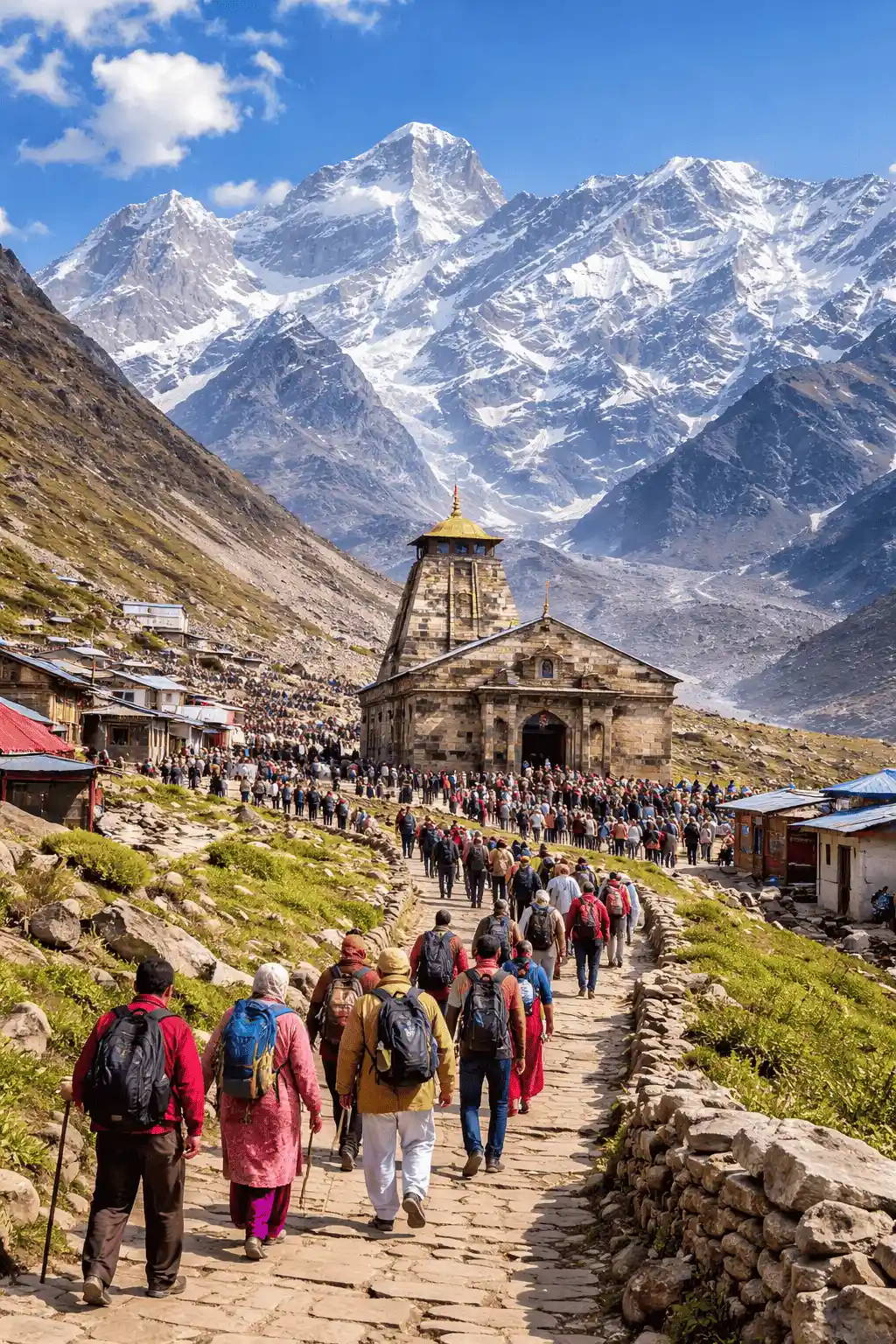
Is Char Dham Yatra Getting Too Crowded? What Pilgrims Should Know
Crowds at Char Dham Yatra are rising every year. Is it becoming too crowded? Here’s a simple look at the ground reality and what pilgrims should know.
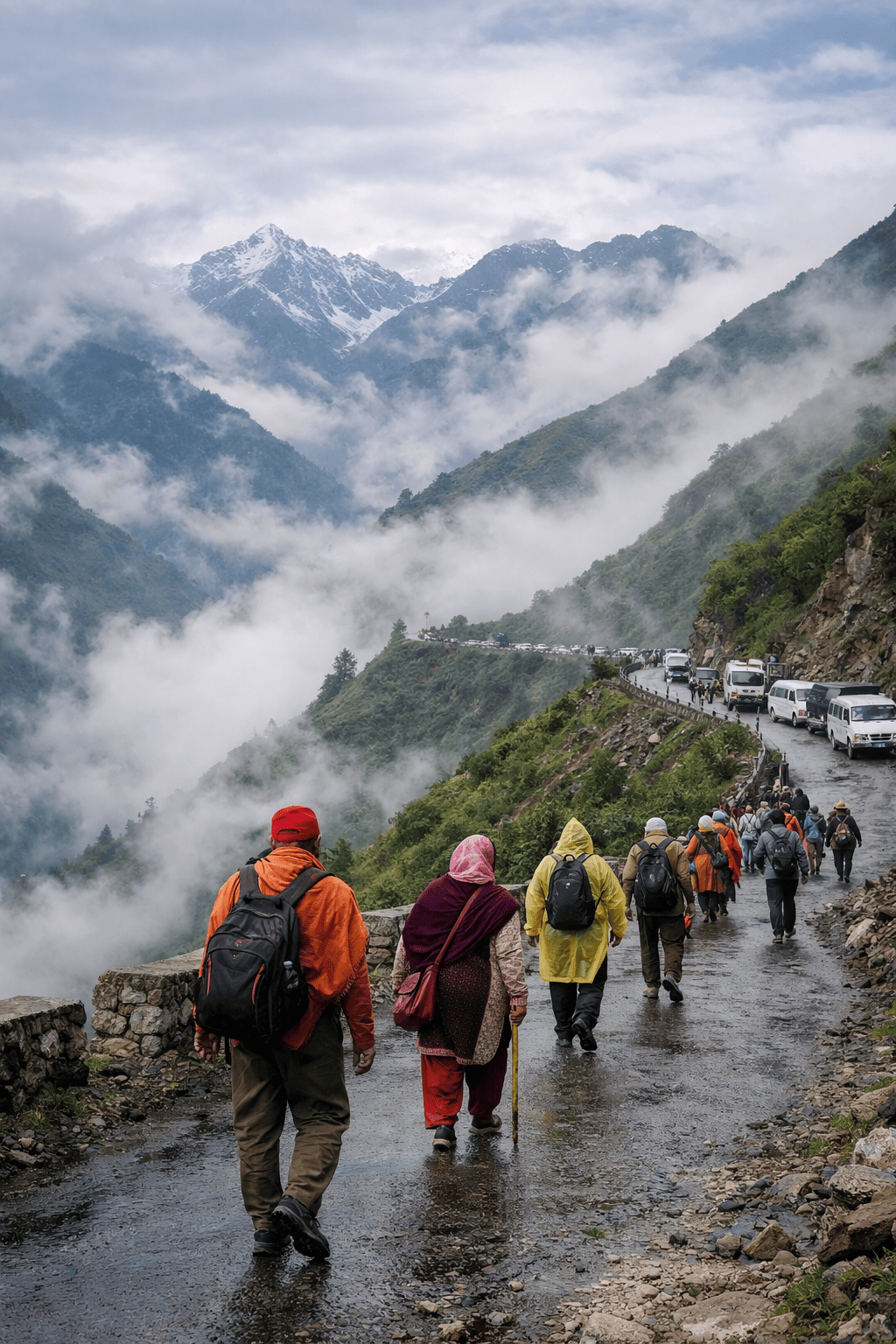
Is the Char Dham Yatra Becoming More Challenging Each Year?
Changing weather, frequent landslides, and crowded routes are reshaping the Char Dham Yatra. Here’s why preparation matters more than ever.
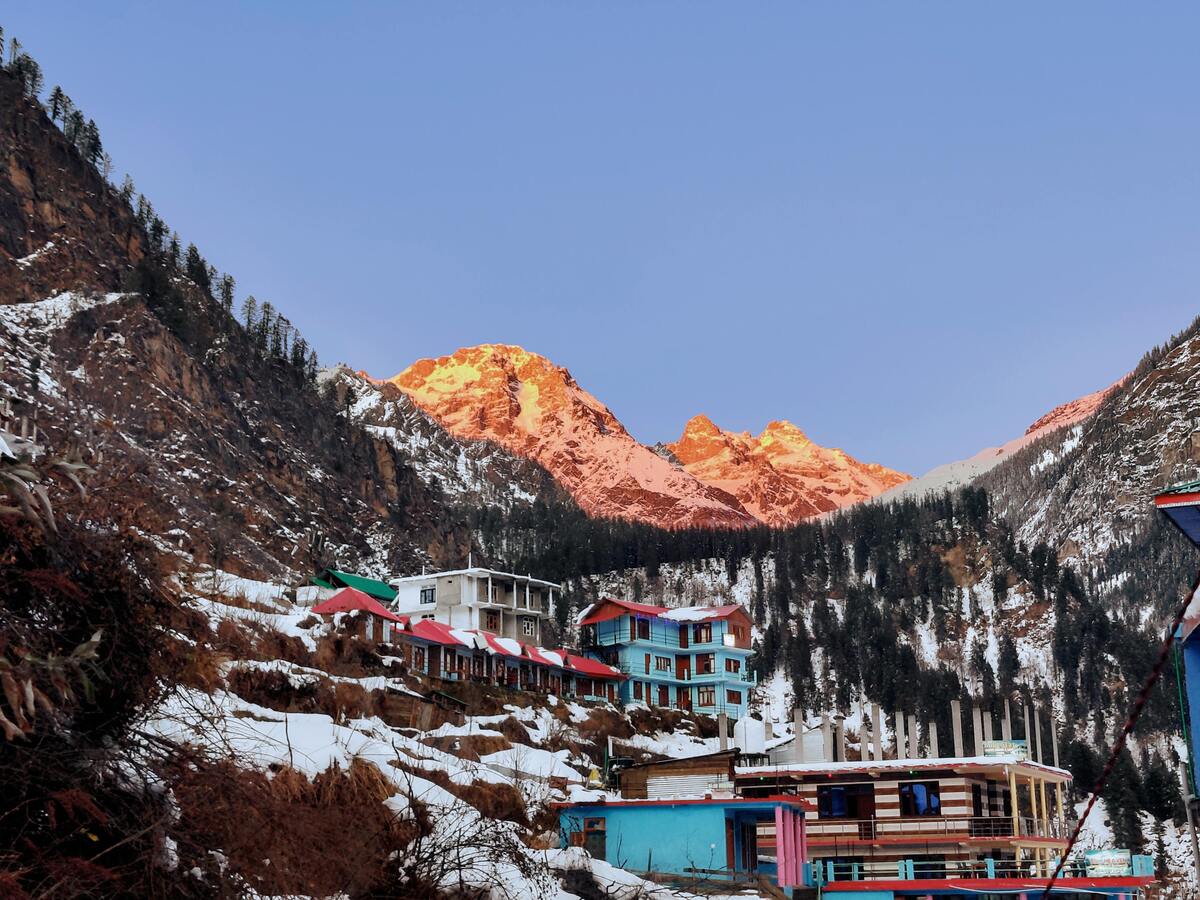
Responsible Homestays in the Himalayas: How to Choose the Right One
Learn how to choose a responsible homestay in the Himalayan region that supports local communities, respects culture, and minimizes environmental impact.