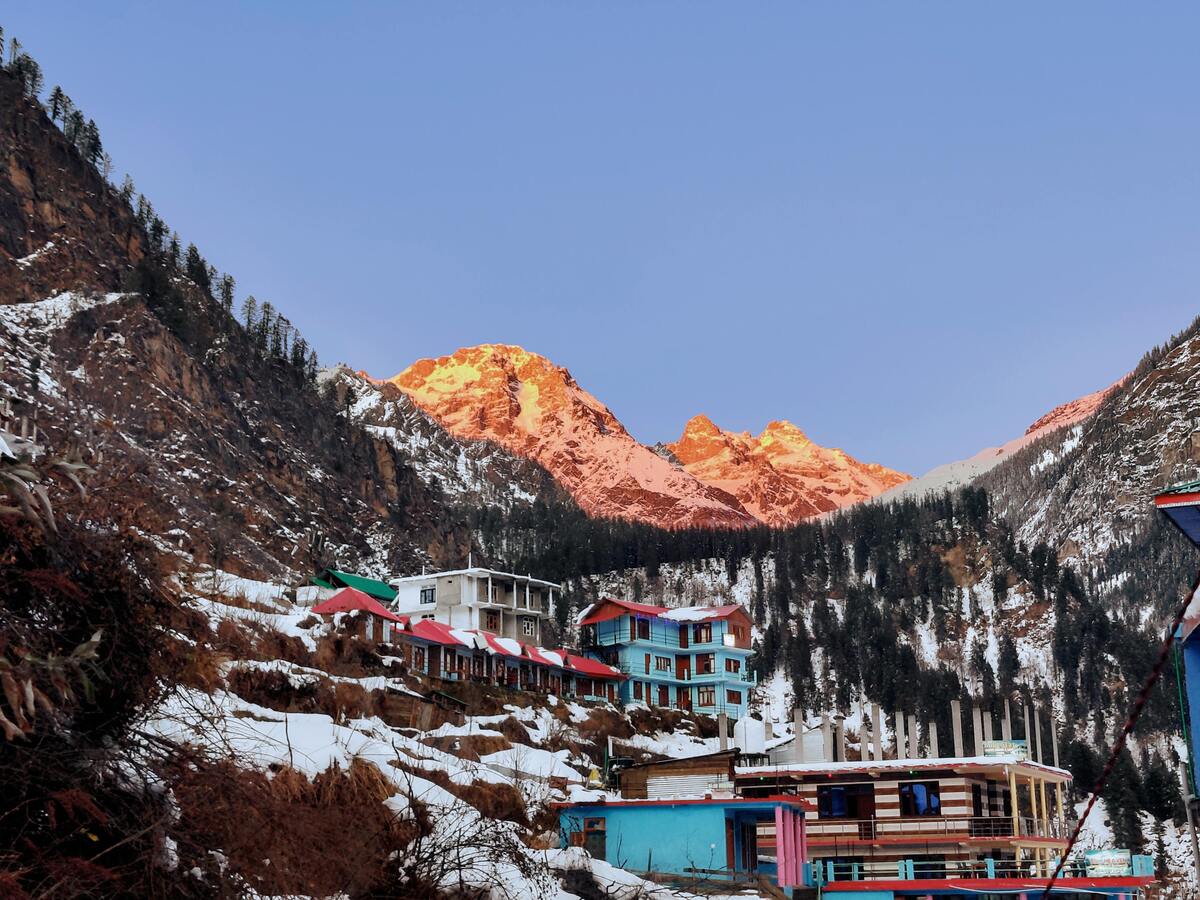
Responsible Homestays in the Himalayas: How to Choose the Right One
Traveling in the Himalayan region is not just about where you go—it is also about where and how you stay.
For many travelers, choosing a homestay feels like a more responsible option. And often, it is. Homestays can create meaningful connections, support local livelihoods, and offer a deeper understanding of mountain life. But responsible travel is not about labels alone. In the Himalayas, responsibility depends on local ownership, community connection, and mindful use of limited resources—whether the place is called a homestay, guesthouse, or small hotel.
This guide is written to help travelers make thoughtful choices when selecting accommodation in the Himalayas. Not to judge, not to guilt—but to help you travel in a way that feels respectful, grounded, and genuinely supportive of the places you visit.
Why Accommodation Choices Matter in the Himalayas
Himalayan regions operate very differently from cities or popular tourist destinations. Villages often have limited water supply, fragile electricity systems, narrow roads, and ecosystems that take decades to recover from damage.
Accommodation is one of the biggest ways tourism impacts these areas.
A stay that:
- sources food locally
- employs local people
- uses water and energy carefully
- respects village rhythms
can support the community instead of overwhelming it.
Responsible travel begins not with grand gestures, but with simple, thoughtful decisions—starting with where you choose to stay.
Homestays in the Himalayas: What They Really Are
Traditionally, Himalayan homestays were exactly what the name suggests—families opening their homes to travelers. Guests ate what the family cooked, followed local routines, and experienced everyday mountain life.
Today, the idea of homestays has evolved. Some are still deeply rooted in family life, while others operate more like small guesthouses. Both can be responsible—or not—depending on how they are run.
The goal is not to romanticize homestays, but to understand what makes a stay truly responsible.
Responsible Travel Is About Local Roots, Not Just Homestays
It’s important to say this clearly:
Responsible travel is not about choosing homestays over hotels.
It is about choosing locally owned, community-connected accommodations, whether they are homestays or small hotels.
Across the Himalayas, many local families also run small hotels and lodges that:
- employ villagers
- respect local culture
- operate with awareness of environmental limits
These places can be just as responsible as homestays.
What matters is not the name on the signboard, but who benefits from your stay and how the place functions within its surroundings.
Signs of a Responsible Homestay or Local Stay
When choosing a place to stay, look beyond photos and reviews. Here are practical signs that indicate a responsible, locally rooted accommodation.
1. Locally Owned and Operated
A responsible stay is usually owned by people who:
- live in the village or town
- have family or community ties there
- depend on the land and environment themselves
This ensures tourism income stays within the region instead of flowing out.
You can often tell this by:
- reading the “About” section
- noticing family-run descriptions
- seeing hosts actively involved in daily operations
2. Honest Communication About Facilities
Responsible hosts are usually transparent. They will tell you:
- when hot water is limited
- if electricity cuts are common
- how Wi-Fi works (or doesn’t)
Instead of promising luxury, they help you prepare realistically for mountain life.
This honesty is a good sign—it shows respect for both guests and the environment.
3. Mindful Use of Water and Electricity
Water is one of the most precious resources in the Himalayas.
Responsible stays often:
- limit hot water usage
- avoid unnecessary water wastage
- encourage guests to be mindful
This is not inconvenience—it is survival in fragile regions.
A place that openly asks guests to conserve resources is usually acting responsibly.
4. Local Food and Seasonal Cooking
Food tells you a lot about a place.
Responsible homestays and local hotels often:
- cook seasonal meals
- source vegetables locally
- avoid imported, resource-heavy menus
Meals may be simple, but they reflect the land, climate, and traditions of the region.
Sharing local food is also one of the most meaningful ways to connect with Himalayan culture.
5. Respect for Local Culture and Village Life
A responsible stay:
- respects local customs and quiet hours
- avoids loud parties or disruptive behavior
- treats villages as living communities, not attractions
If hosts gently guide guests about clothing, behavior, or traditions, it’s a positive sign—they care about protecting their culture.
Questions Travelers Should Ask Before Booking
You don’t need to interrogate hosts—but a few thoughtful questions can help you choose better.
You can ask:
- Is the property locally owned?
- Do you employ local staff or guides?
- How do you manage waste and water?
- Are meals prepared locally?
How a host responds often tells you more than the answer itself.
Red Flags to Watch Out For
Not every place marketed as “eco” or “homestay” is responsible.
Be cautious if:
- the stay promises luxury without mentioning resource limits
- there is no connection to the local community
- guests are encouraged to ignore local norms
- waste management is not mentioned at all
Responsible travel is about awareness, not perfection—but a complete lack of care is a warning sign.
The Experience of Staying Responsibly
Travelers who choose responsible stays often say the same thing:
“It felt more real.”
Staying in a locally rooted place allows you to:
- understand daily mountain routines
- learn why resources are used carefully
- hear local perspectives on tourism and change
These experiences tend to stay with you longer than scenic photographs.
Supporting Local Communities Beyond Your Stay
Your impact doesn’t end with accommodation.
While staying in a homestay or local hotel, you can:
- hire local guides
- buy handmade products
- eat at local eateries
- respect advice about weather and routes
Responsible travel works best when small choices align together.
A Note on Expectations
Mountain regions are not built for speed, luxury, or excess.
Responsible stays may involve:
- simpler rooms
- shared spaces
- quieter evenings
- slower routines
But what you gain instead is perspective, connection, and a deeper understanding of the Himalayas as a living place—not just a destination.
Final Thoughts
Choosing a responsible homestay—or a locally run stay—in the Himalayas is not about doing everything perfectly. It is about being aware, respectful, and open to learning.
When you choose accommodations that are locally owned, mindful of resources, and connected to the community, your travel supports livelihoods rather than strains them.
The Himalayas offer extraordinary beauty, but they also require care. Staying responsibly allows you to experience the mountains not as a consumer, but as a respectful guest.
And often, that makes the journey far more meaningful than any luxury ever could.
Related Articles
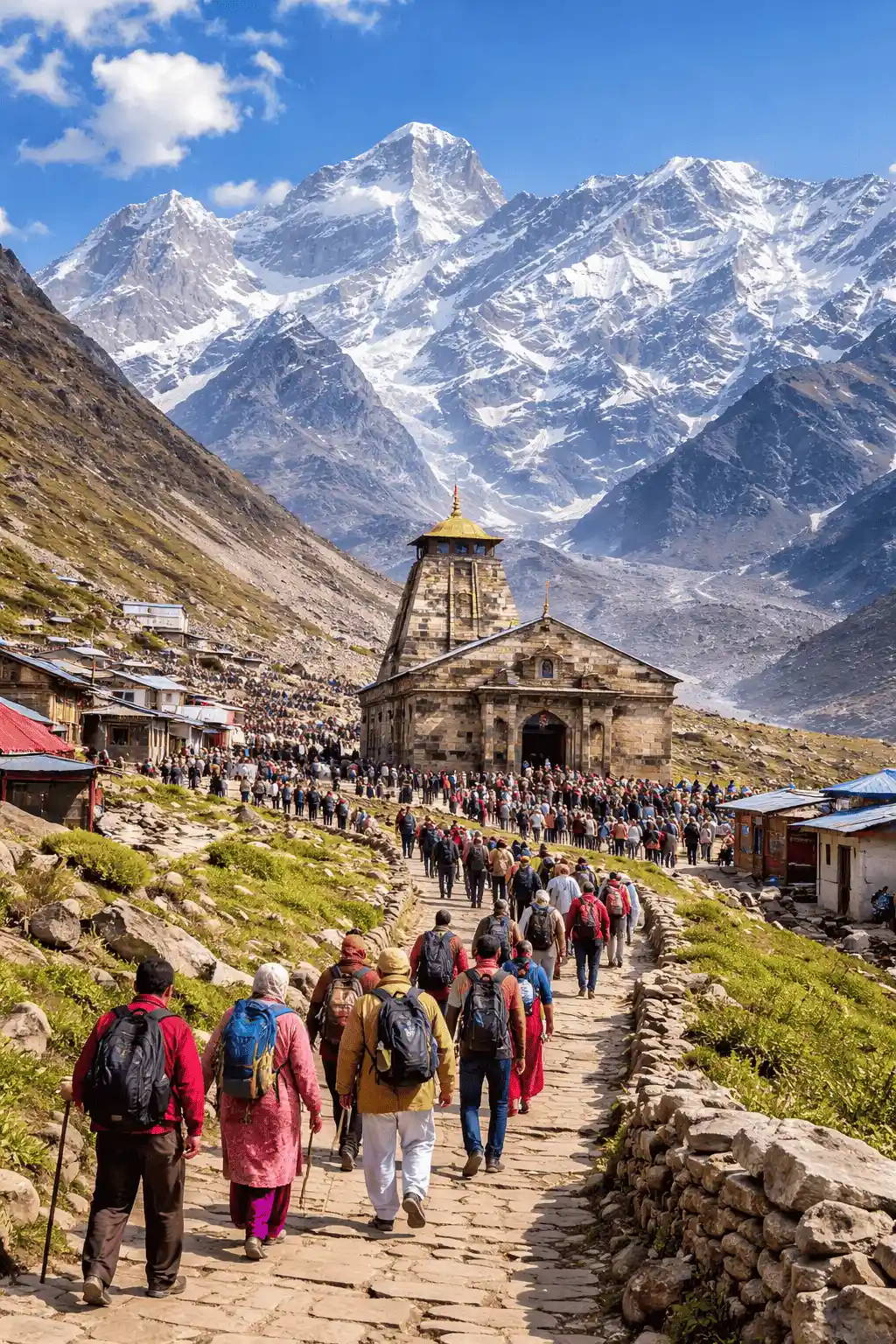
Is Char Dham Yatra Getting Too Crowded? What Pilgrims Should Know
Crowds at Char Dham Yatra are rising every year. Is it becoming too crowded? Here’s a simple look at the ground reality and what pilgrims should know.
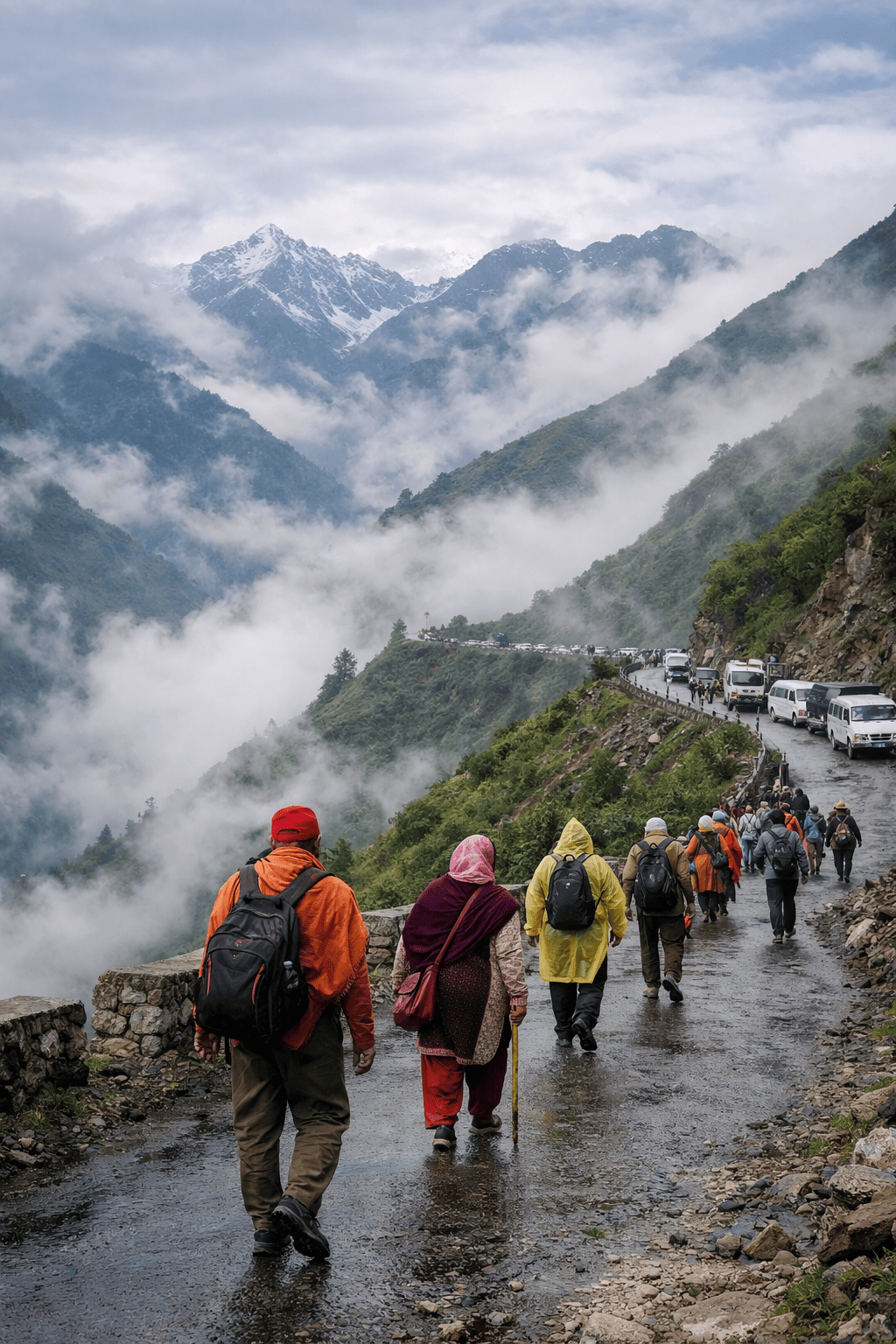
Is the Char Dham Yatra Becoming More Challenging Each Year?
Changing weather, frequent landslides, and crowded routes are reshaping the Char Dham Yatra. Here’s why preparation matters more than ever.
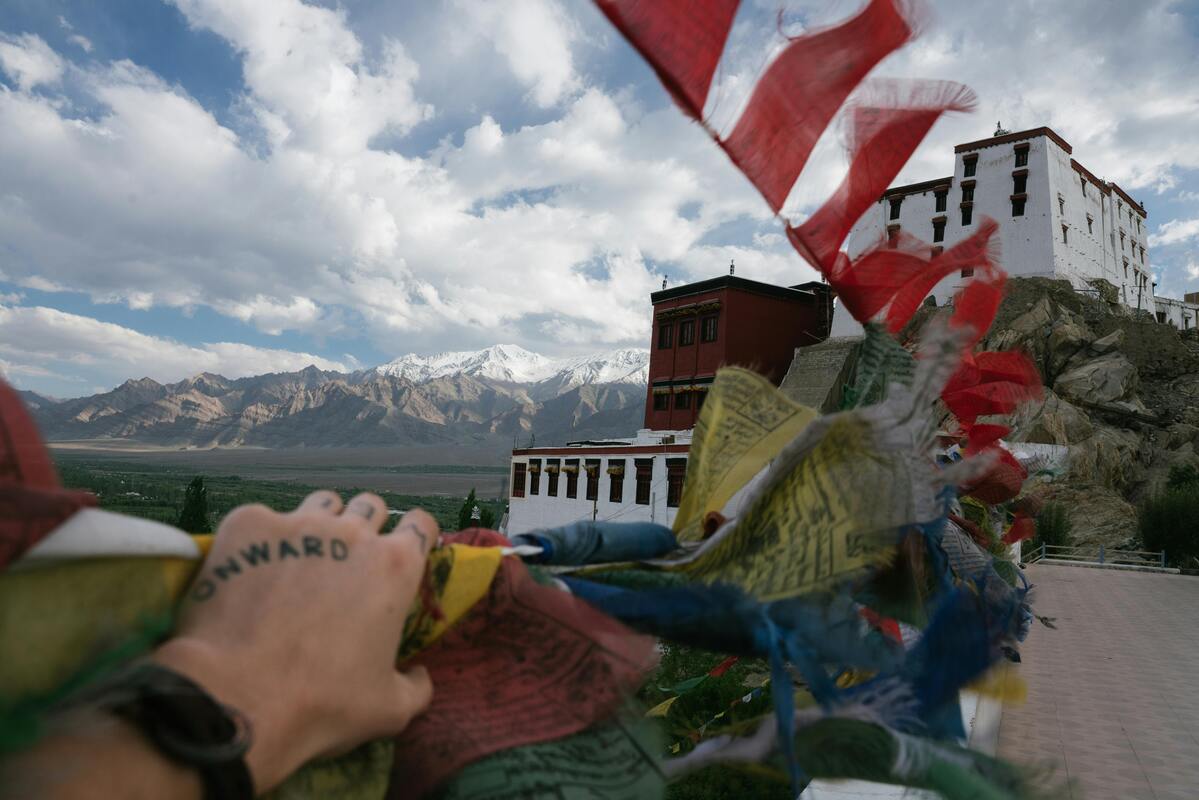
Cultural Etiquette Tourists Often Ignore in Himalayan Regions
Learn the cultural etiquette travelers often overlook in Himalayan villages and regions, and how respectful behavior leads to deeper, more meaningful travel experiences.