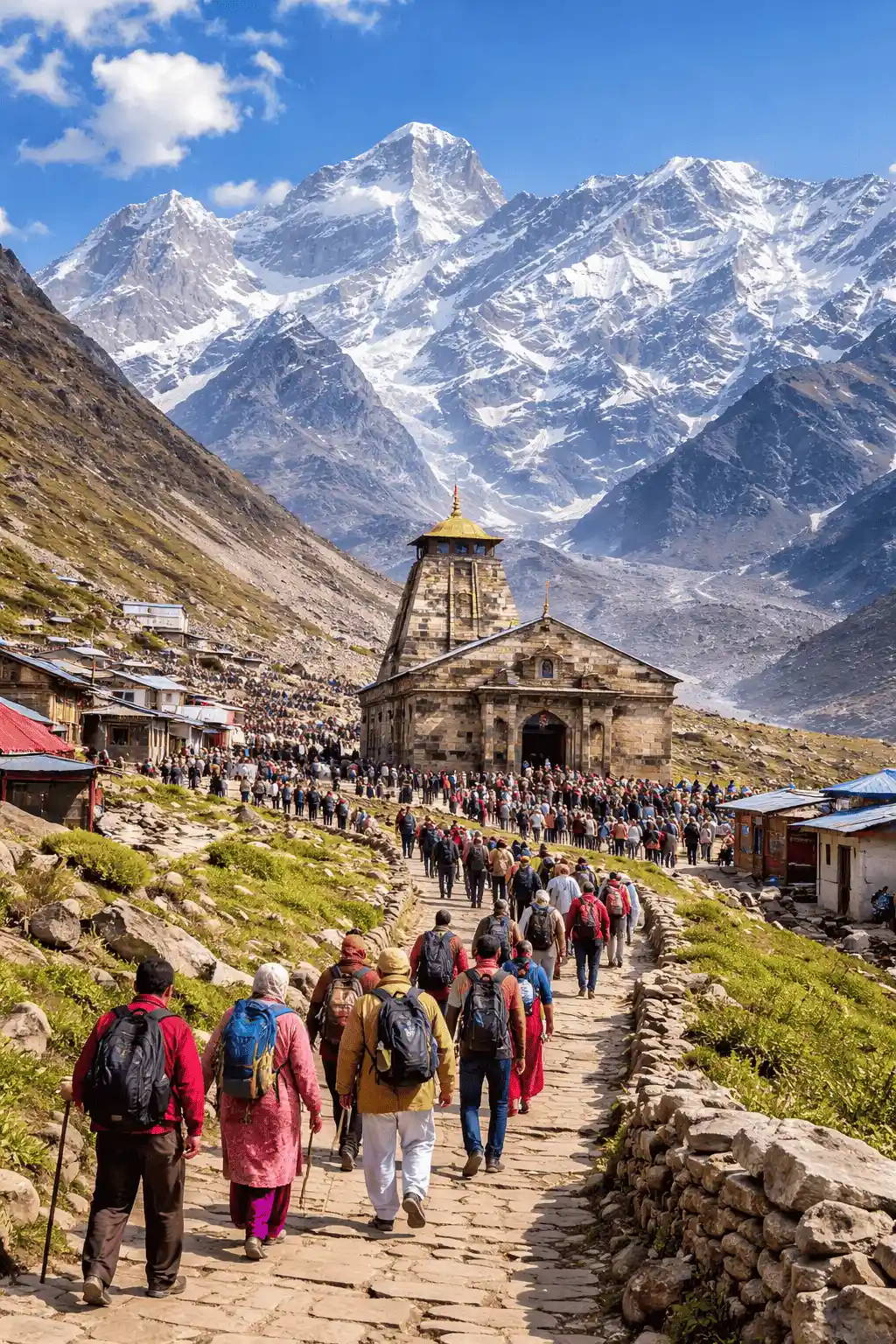
Is Char Dham Yatra Getting Too Crowded? What Pilgrims Should Know
Introduction
Every year, as the gates of Kedarnath, Badrinath, Gangotri, and Yamunotri open, lakhs of devotees start their journey to the Himalayas. For many, the Char Dham Yatra isn’t just a trip — it’s a spiritual goal they’ve dreamed of for years, sometimes decades.
But lately, one question keeps coming up:
Is the Char Dham Yatra getting too crowded?
From long queues to packed trekking routes, traffic jams, and hotels booked weeks in advance, the yatra can feel busier than ever. Yet, the devotion and faith remain unchanged.
Let’s explore the reality of the Char Dham Yatra today — without fear, without negativity, and in a way every pilgrim can relate to.
The Numbers Are Rising
There’s no denying it: more people are visiting the Char Dham than ever before.
Every season seems to break records:
- Faster registrations online
- Longer waiting lists for accommodation
- Heavy rush in May and June
- Hotels fully booked weeks in advance
This shows that faith is strong, and pilgrimage still matters in today’s fast-paced world. But higher numbers also bring new challenges.
The Himalayan towns are small, roads are narrow, and weather is unpredictable. Even a slight increase in vehicles or footfall can create congestion and delays.
Where Is the Crowd Most Noticeable?
Not all temples see the same level of crowd.
Kedarnath Temple:
- Usually has the highest footfall
- 16 km trek attracts both pilgrims and adventure seekers
- Long queues for darshan, packed guesthouses, helicopter waiting lines
Badrinath Temple:
- Road-accessible, so senior citizens and large groups often visit
- Peak season can mean 3–6 hours of waiting, traffic congestion, and limited parking
Gangotri & Yamunotri:
- Slightly less crowded but still busy during holidays and weekends
Why Is the Crowd Growing?
Several factors are contributing:
- Better Roads and Connectivity – Char Dham highway and improved transport make the temples easier to reach.
- Social Media Influence – Photos, videos, and travel stories inspire more people to visit.
- Easier Planning – Online registration, hotel bookings, and travel packages simplify the journey.
- Growing Spiritual Awareness – After the pandemic, many people felt a stronger need to reconnect with faith.
So, the rise in pilgrims isn’t random — it reflects social, emotional, and practical changes.
Challenges of Increased Crowds
Crowds don’t always cause problems, but they do bring challenges:
- Traffic Jams – Roads can get blocked for hours due to landslides or heavy vehicles.
- Long Waiting Times – Queues at temples can stretch for hours.
- Accommodation Issues – Hotels fill up quickly, and prices rise during peak months.
- Waste and Environmental Stress – The Himalayas are fragile. More visitors mean more pressure on sanitation and local ecosystems.
Safety and Preparation
Safety mainly depends on planning and timing.
The authorities have improved facilities:
- Crowd management systems
- Online registration
- Medical aid points
- Weather alerts
But nature is unpredictable. Heavy rain, landslides, and road closures can happen anytime.
Pilgrims can stay safe by:
- Booking accommodation early
- Traveling light
- Following weather warnings
- Maintaining patience and discipline
When Is the Yatra Less Crowded?
To enjoy a calmer experience:
- Avoid opening weeks of temples
- Avoid school holidays and long weekends
- Visit in September (after monsoon, before temple closing)
- Opt for early morning darshan
Has the Spiritual Experience Changed?
Faith remains unchanged. People still walk miles, pray deeply, and fulfill promises. But yes, the atmosphere feels busier than it did 10–15 years ago:
- More shops along the routes
- Increased announcements and digital presence
- Louder surroundings
For some, this feels like progress. For others, it’s less peaceful. But devotion itself has not decreased.
Positive Impact of Growing Crowds
Higher numbers also bring benefits:
- More income and employment for local families
- Better infrastructure and amenities
- Improved connectivity and services
So reducing numbers isn’t the solution. Responsible travel and effective crowd management are key.
Practical Tips for Pilgrims
If you are planning your Char Dham Yatra:
- ✔ Register and book hotels early
- ✔ Avoid peak rush dates if possible
- ✔ Travel light and carry essentials
- ✔ Respect local rules and customs
- ✔ Don’t litter
- ✔ Stay patient in queues
Preparedness makes the experience peaceful and memorable.
Impact on the Himalayas
The Himalayas are young and fragile. Rapid increase in tourism can affect:
- Road pressure and vehicle emissions
- Waste generation and sanitation
- Small-scale construction and local ecology
While pilgrims aren’t at fault, responsible travel is essential to preserve these mountains for future generations.
FAQs
❓ Is Char Dham Yatra overcrowded now?
Yes, especially in May and June. Early planning can make it manageable.
❓ Which temple sees the most crowd?
Kedarnath typically sees the highest rush, followed by Badrinath.
❓ When is it less crowded?
After initial opening weeks, post-school holidays, or in September.
❓ Does rising crowd affect safety?
Not directly. Planning, registration, and weather awareness are more important.
❓ Is tourism harming the Himalayas?
High footfall increases environmental pressure. Responsible travel is needed.
❓ Should I cancel my plan due to crowds?
No. The yatra is still meaningful and safe with proper preparation.
Final Thoughts
The real issue isn’t the crowd itself — it’s balance.
With careful planning, responsible travel, and cooperation from both authorities and pilgrims, Char Dham Yatra can continue to grow while preserving its spiritual charm and the fragile Himalayas.
Faith doesn’t fade because of crowd. But peace requires patience, preparation, and respect.
And maybe that is the true lesson of pilgrimage today: spirituality and responsibility can go hand in hand.
Related Articles
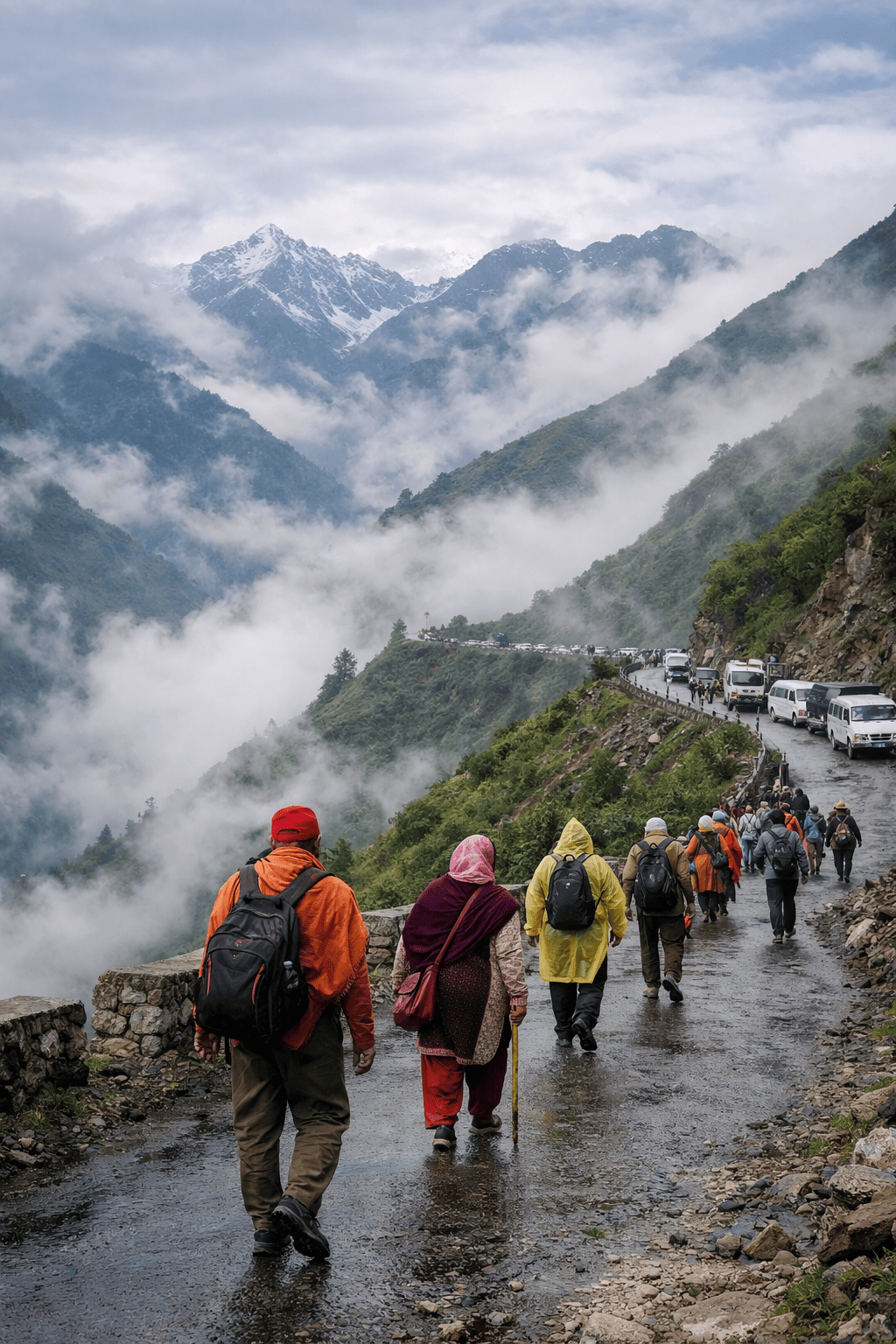
Is the Char Dham Yatra Becoming More Challenging Each Year?
Changing weather, frequent landslides, and crowded routes are reshaping the Char Dham Yatra. Here’s why preparation matters more than ever.
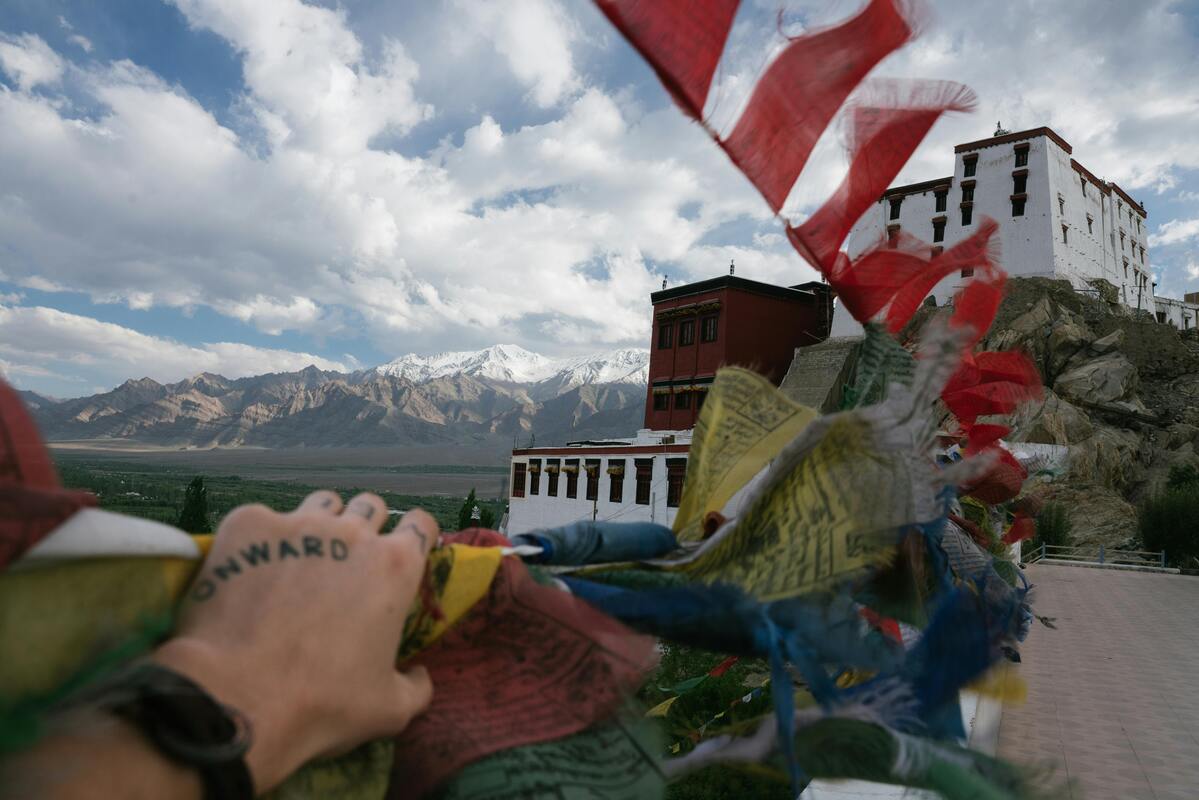
Cultural Etiquette Tourists Often Ignore in Himalayan Regions
Learn the cultural etiquette travelers often overlook in Himalayan villages and regions, and how respectful behavior leads to deeper, more meaningful travel experiences.
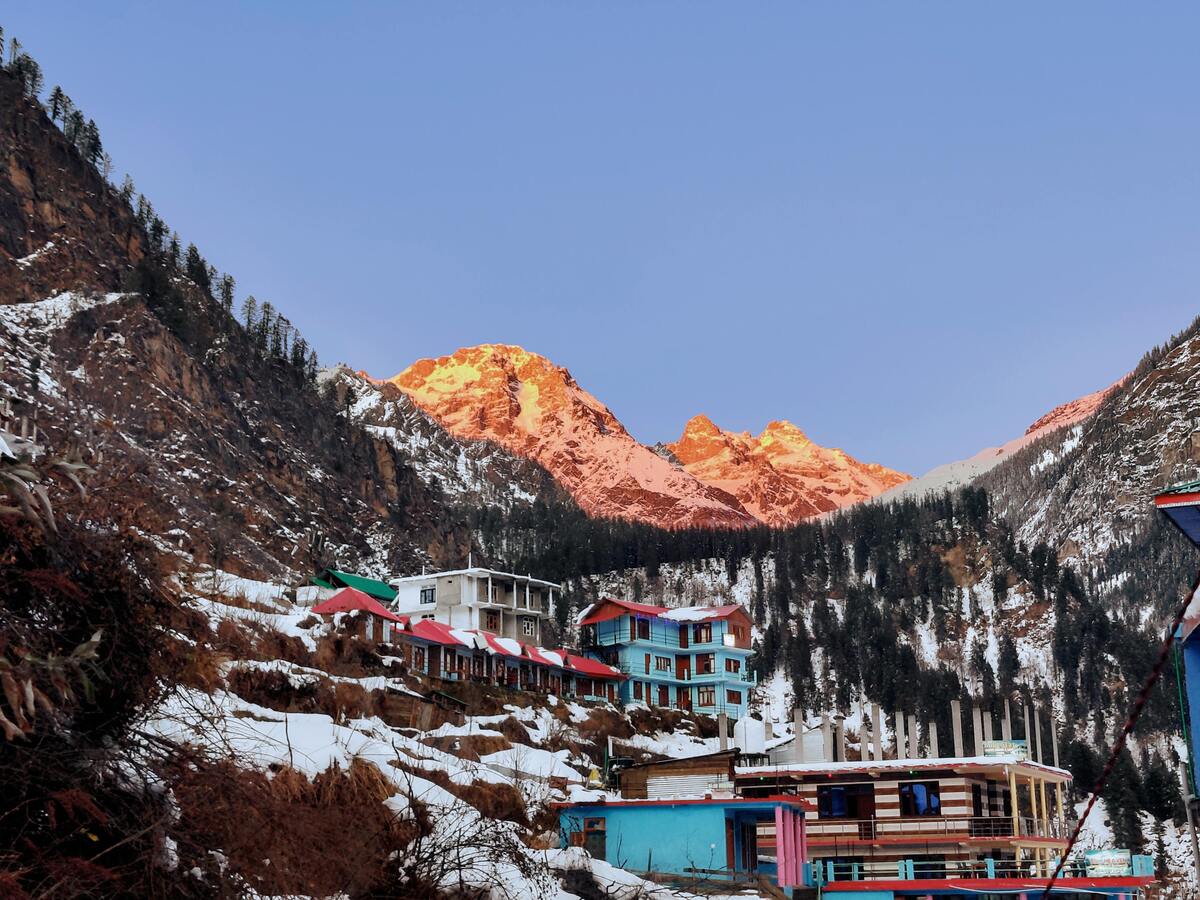
Responsible Homestays in the Himalayas: How to Choose the Right One
Learn how to choose a responsible homestay in the Himalayan region that supports local communities, respects culture, and minimizes environmental impact.