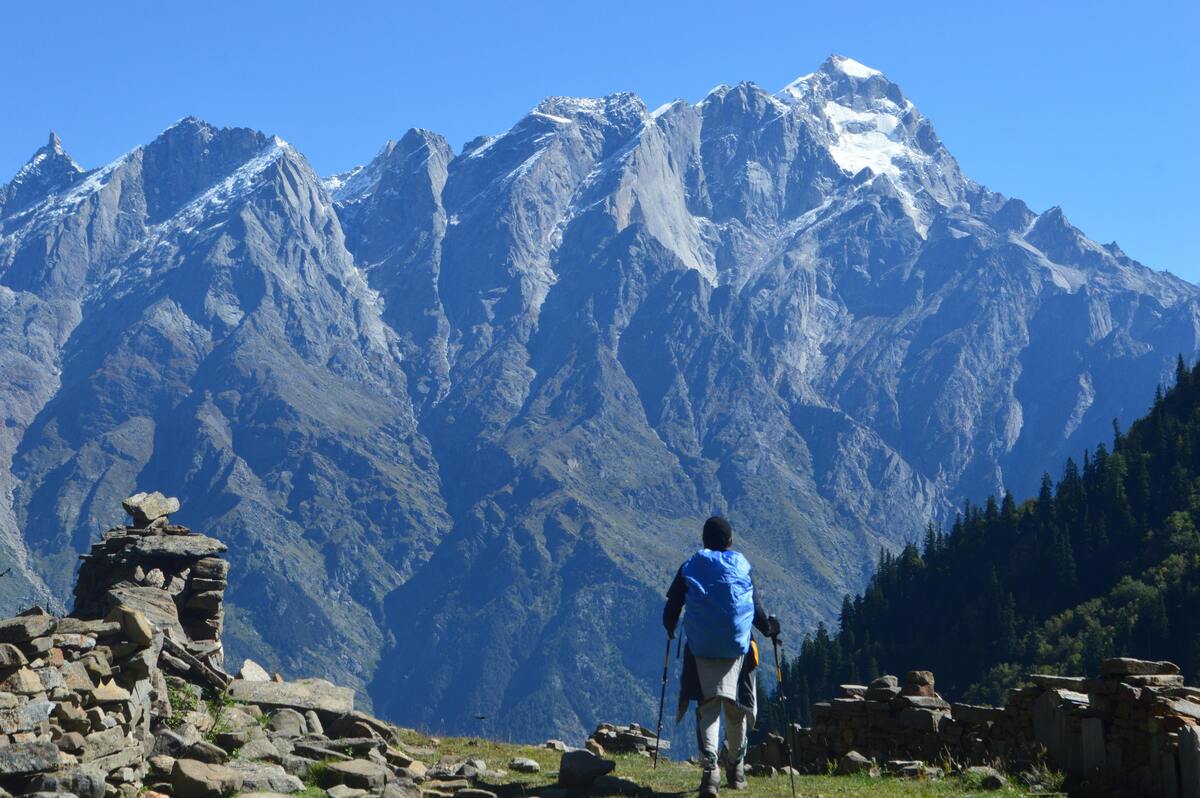
Responsible Travel in the Himalayas: Practical Guide for First-Time Visitors
Introduction
The Himalayas are not just mountains. They are home to ancient cultures, small villages, fragile ecosystems, and people who depend directly on forests, rivers, and land for survival.
Every year, more travelers visit Himalayan regions for trekking, peace, spirituality, and natural beauty. Tourism brings income and opportunities, but it also creates problems like plastic waste, water shortages, overcrowding, and cultural loss.
Responsible travel means enjoying these places without harming them.
This guide explains how first-time visitors can travel responsibly in the Himalayas in simple and practical ways — without sacrificing comfort or enjoyment.
Why Responsible Travel Matters in the Himalayas
Mountain regions are very different from cities:
- Waste management systems are weak
- Medical facilities are limited
- Roads are narrow and fragile
- Water sources are scarce
- Nature recovers very slowly
A plastic bottle thrown today may still be there after 50 years.
Unplanned tourism causes:
- River pollution
- Deforestation
- Wildlife disturbance
- Cultural disrespect
- Rising living costs for locals
Responsible travel protects:
- Nature
- Local livelihoods
- Traditions
- Future travelers’ experiences
1. Choose Local Homestays Over Big Hotels
Staying in locally run homestays is one of the best ways to travel responsibly.
Benefits:
- Money goes directly to families
- Authentic food and culture
- Less pressure on resources
- Warm personal experience
Tips:
- Ask if meals are locally sourced
- Respect house rules
- Avoid wasting food and water
2. Pack Light and Pack Smart
What you bring matters.
Carry:
- Reusable water bottle
- Cloth shopping bag
- Reusable cutlery
- Solid soap/shampoo
- Power bank (to reduce generator use)
Avoid:
- Single-use plastics
- Overpacking
- Cheap disposable gear
Mountains do not have recycling plants like cities.
3. Respect Local Culture and Traditions
Himalayan communities value simplicity, privacy, and tradition.
Do:
- Dress modestly
- Ask before taking photos
- Learn basic greetings
- Remove shoes when entering homes/temples
Avoid:
- Loud behavior
- Alcohol near religious places
- Entering private land
- Treating villages as “photo spots”
4. Save Water and Electricity
Many villages get water from glaciers and small springs.
Responsible habits:
- Short showers
- Turn off lights
- Don’t wash clothes daily
- Avoid long hot water usage
Your small actions protect shared resources.
5. Manage Your Waste Properly
Waste is one of the biggest problems in the Himalayas.
Follow:
- Carry all plastic back to cities
- Use refill stations
- Avoid packaged snacks
- Never burn plastic
- Carry a small trash bag
6. Use Local Guides and Services
Hiring local guides:
- Creates employment
- Improves safety
- Supports knowledge sharing
- Reduces illegal trekking routes
Choose certified local guides whenever possible.
7. Stay on Marked Trails
Off-trail walking damages:
- Plants
- Soil stability
- Wildlife habitats
Always respect trekking rules.
8. Avoid Wildlife Disturbance
Never:
- Feed animals
- Chase for photos
- Use drones near wildlife
- Play loud music in forests
Wildlife stress can lead to migration or death.
9. Support Local Food and Markets
Eat what locals eat:
- Millets
- Lentils
- Seasonal vegetables
- Local fruits
Buy handicrafts directly from artisans.
Avoid mass-produced souvenirs.
10. Travel Slowly
Slow travel means:
- Staying longer in fewer places
- Less transport pollution
- Better cultural connection
- Less stress on towns
Quality > quantity.
Common Mistakes Tourists Make
- Expecting city facilities
- Overusing water
- Leaving waste behind
- Ignoring weather warnings
- Bargaining aggressively
- Treating locals as service staff
Awareness prevents harm.
How Responsible Travel Helps Local Communities
Responsible tourism creates:
- Stable income
- Education opportunities
- Cultural pride
- Environmental protection
- Youth employment
When communities benefit, they protect nature more strongly.
Is Responsible Travel Expensive?
No.
Homestays and local food are often cheaper than hotels and resorts.
Responsible travel is about choices, not money.
Responsible Travel and Climate Change
Himalayan glaciers are melting fast.
Climate change already causes:
- Water shortages
- Crop failures
- Landslides
- Displacement
Tourism must not add pressure.
Simple Responsible Travel Checklist
✔ Reusable bottle
✔ Local stay
✔ Respect customs
✔ Carry waste back
✔ Use local guides
✔ Save water
✔ Walk when possible
✔ Buy local
✔ Travel slow
✔ Stay informed
Frequently Asked Questions
Is responsible travel only for trekkers?
No. It applies to all travelers.
Does it reduce enjoyment?
No. It improves experiences.
Do small actions matter?
Yes. Mountains recover slowly.
Conclusion
The Himalayas teach patience, balance, and respect.
Traveling responsibly means:
- Protecting fragile ecosystems
- Supporting local people
- Preserving ancient traditions
- Creating meaningful experiences
When travelers act with awareness, tourism becomes a tool for protection — not destruction.
The mountains give us peace.
Our responsibility is to give them care.
Related Articles
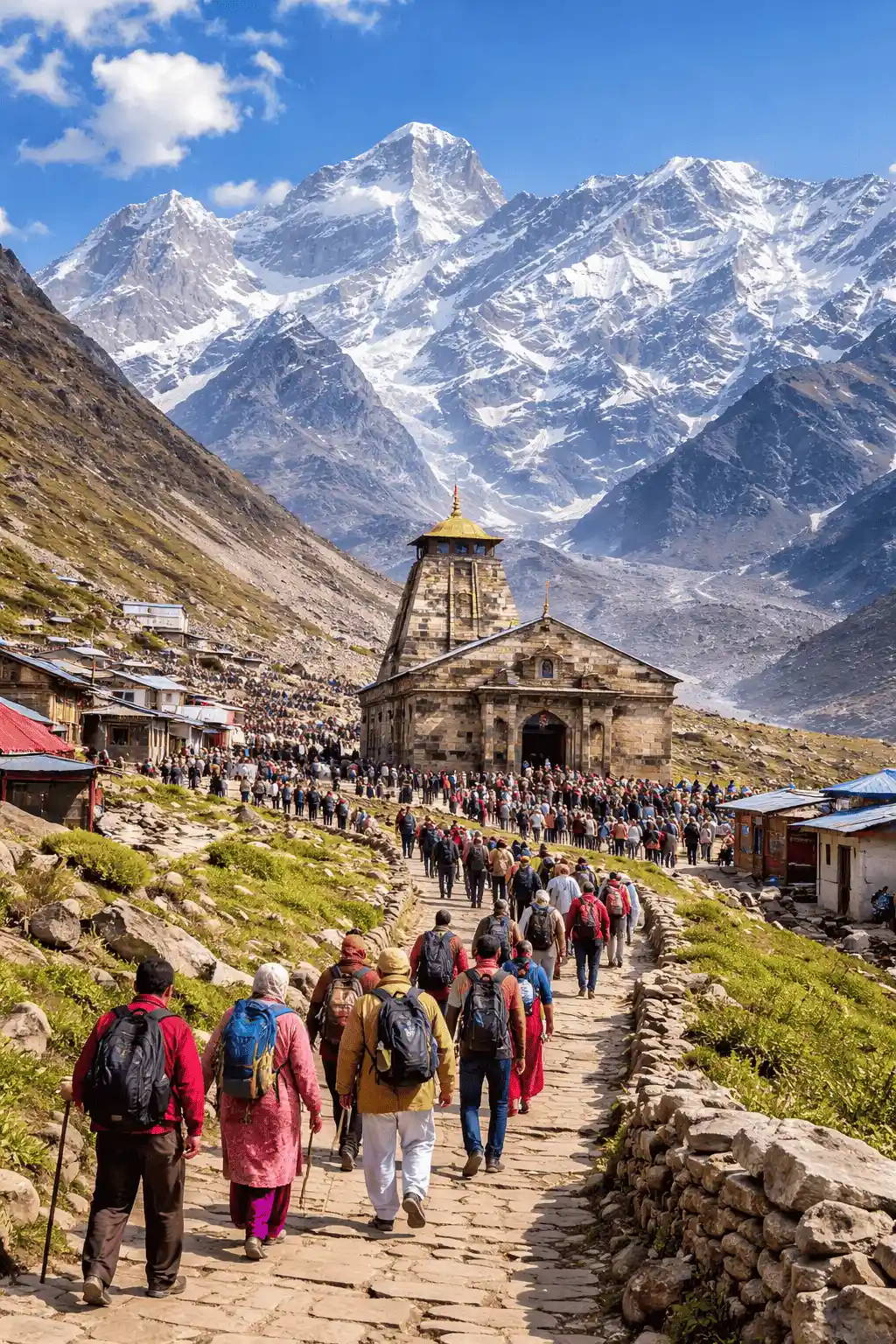
Is Char Dham Yatra Getting Too Crowded? What Pilgrims Should Know
Crowds at Char Dham Yatra are rising every year. Is it becoming too crowded? Here’s a simple look at the ground reality and what pilgrims should know.
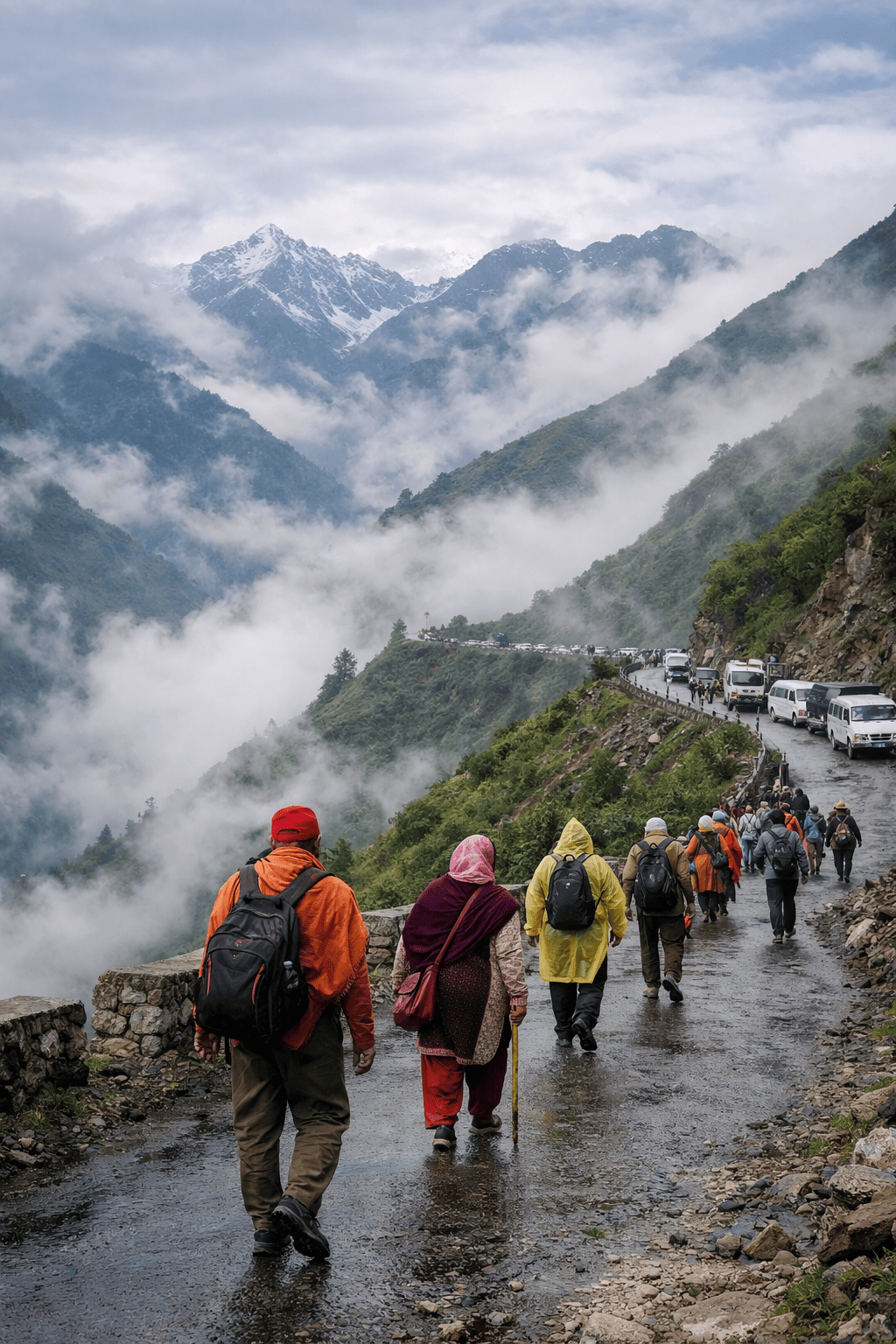
Is the Char Dham Yatra Becoming More Challenging Each Year?
Changing weather, frequent landslides, and crowded routes are reshaping the Char Dham Yatra. Here’s why preparation matters more than ever.
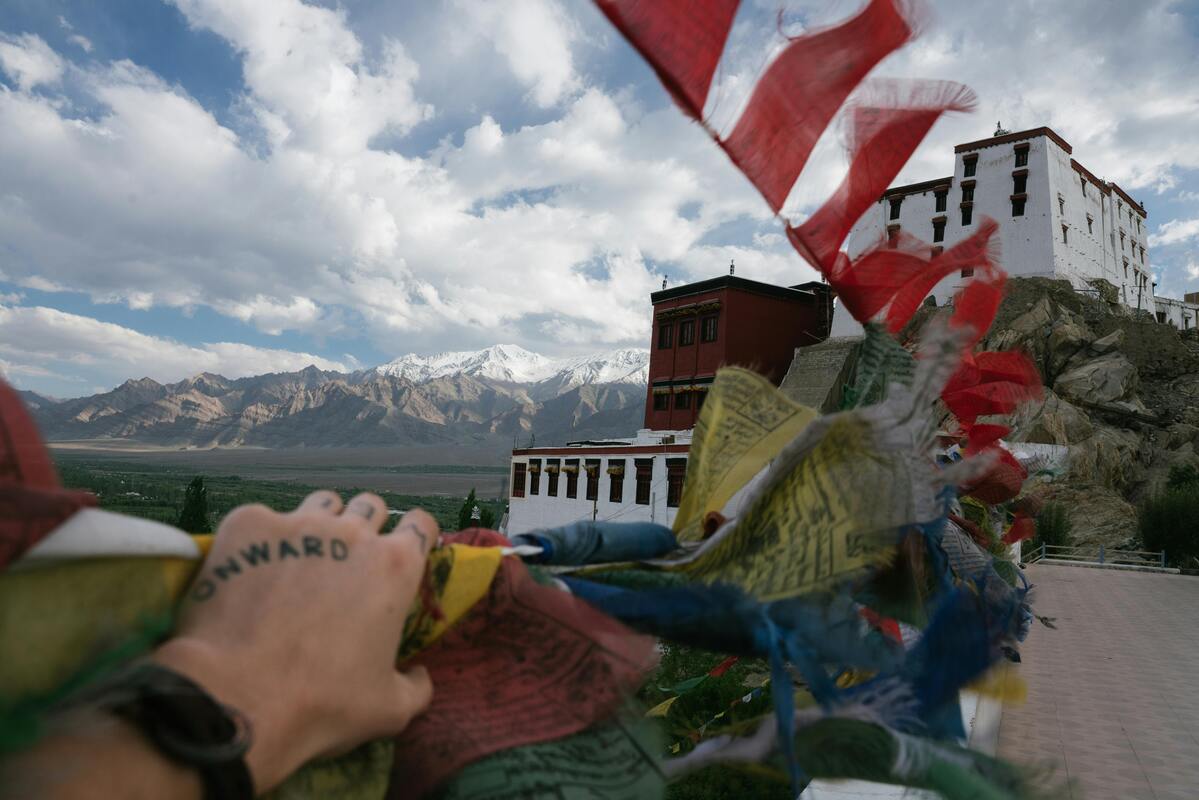
Cultural Etiquette Tourists Often Ignore in Himalayan Regions
Learn the cultural etiquette travelers often overlook in Himalayan villages and regions, and how respectful behavior leads to deeper, more meaningful travel experiences.