
Plastic and Waste in Himalayan Tourist Areas: Challenges and Solutions
Introduction
The Himalayas are known for their clean air, sacred rivers, quiet villages, and breathtaking landscapes. People travel from across the world to experience snow-covered peaks, peaceful trekking routes, and untouched forests. But behind this beauty, a serious problem is growing quietly every year – waste and plastic pollution.
Tourism has brought income and opportunities to many Himalayan regions, but it has also introduced large amounts of plastic bottles, food wrappers, disposable plates, and non-biodegradable waste. Most mountain towns and villages were never designed to handle this volume of garbage.
In fragile environments like the Himalayas, waste does not disappear easily. It stays for decades, pollutes water sources, harms animals, and affects the daily life of local communities.
This article explains how plastic waste is affecting Himalayan tourist areas, why the problem is so serious, how it impacts people and nature, and what travelers can do to become part of the solution.
Why Waste Is a Serious Problem in the Himalayas
The Himalayan region is very different from cities or plains.
Mountain areas have:
- Limited road access
- Small waste collection systems
- Few recycling facilities
- Difficult transportation
- Sensitive soil and water systems
When waste is produced in large quantities, it cannot be managed easily.
A plastic bottle thrown in a mountain village may stay there for hundreds of years. Burning plastic releases toxic smoke. Dumping it into rivers sends pollution downstream to thousands of people.
Tourist seasons multiply the population of small towns overnight. A village built for 500 residents may suddenly host 3,000 visitors. With that comes packaged food, bottled water, and disposable items.
Without proper systems, waste ends up:
- On roadsides
- In forests
- Near rivers
- In open dumping grounds
- Burned in the open air
Main Sources of Plastic Waste from Tourism
Tourism creates several common types of waste in Himalayan regions:
1. Plastic Water Bottles
Due to safety concerns, many travelers avoid drinking local water and buy bottled water. During trekking seasons, thousands of bottles are consumed daily.
2. Food Packaging
Chips, biscuits, instant noodles, chocolate wrappers, and takeaway containers are convenient but highly polluting.
3. Disposable Cutlery and Plates
Small food stalls often use plastic plates, cups, and spoons because they are cheap and easy.
4. Trekking and Camping Waste
Used batteries, snack wrappers, damaged equipment, and fuel canisters are often left behind on trails.
5. Hotel and Homestay Waste
To meet tourist expectations, accommodations offer packaged toiletries, bottled water, and plastic laundry bags.
All of this adds up to tons of waste every season.
How Plastic Waste Affects the Himalayan Environment
1. Pollution of Rivers and Water Sources
Many Himalayan rivers are considered sacred and are vital sources of drinking water and irrigation.
Plastic waste thrown into streams:
- Blocks natural water flow
- Pollutes drinking water
- Harms aquatic life
- Travels downstream to cities and farms
2. Harm to Wildlife
Animals often mistake plastic for food.
This leads to:
- Choking
- Internal injuries
- Slow starvation
- Death
Cows, goats, birds, and even wild animals are frequently found with plastic in their stomachs.
3. Soil Contamination
Plastic breaks down into microplastics that mix with soil. This affects plant growth and food quality over time.
4. Increased Landslide Risk
Waste dumped into slopes blocks natural drainage systems. During heavy rainfall, water builds up, increasing the risk of landslides.
Impact on Local Communities
The waste problem does not only affect nature. It directly affects the people who live in the mountains.
Health Problems
Burning plastic releases harmful gases that cause:
- Breathing difficulties
- Eye irritation
- Headaches
- Long-term lung damage
Dirty surroundings also attract insects and spread diseases.
Loss of Livelihood
Tourism depends on clean and beautiful surroundings.
When villages become polluted:
- Fewer tourists visit
- Homestay bookings decrease
- Local businesses suffer
Emotional and Cultural Impact
For many Himalayan communities, mountains and rivers are sacred.
Seeing garbage in these places causes:
- Emotional pain
- Loss of cultural pride
- Frustration with careless visitors
Financial Burden
Waste management costs money, but small villages have limited budgets. Locals often clean tourist waste without receiving any support.
Why Waste Management Is Difficult in Mountain Regions
Managing waste in the Himalayas is much harder than in cities.
Some reasons include:
- Steep terrain makes transportation expensive
- Long distance to recycling centers
- Lack of government infrastructure
- Seasonal tourism pressure
- Limited technical resources
In some villages, garbage trucks come only once a week or even once a month.
This forces people to:
- Burn waste
- Dump it in open areas
- Bury it underground
None of these are safe long-term solutions.
The Role of Tourists in the Problem
Most tourists do not intentionally harm the environment.
However, small habits repeated by millions of visitors create a massive impact.
Common unintentional mistakes:
- Buying bottled water daily
- Leaving trash during treks
- Using disposable items
- Throwing waste assuming someone else will clean it
Responsible travel begins with awareness.
How Travelers Can Reduce Plastic Waste in the Himalayas
Every traveler can make a real difference by changing simple habits.
1. Carry a Reusable Water Bottle
Use water purification tablets, filters, or refill stations.
2. Avoid Single-Use Plastics
Say no to:
- Plastic straws
- Disposable cutlery
- Plastic bags
3. Carry Your Trash Back
If there is no dustbin, keep waste in your bag until you find one.
4. Choose Eco-Friendly Accommodations
Stay in homestays or hotels that:
- Refill water
- Use reusable items
- Manage waste responsibly
5. Support Local Shops with Low Packaging
Buy local food instead of heavily packaged products.
6. Join Clean-Up Drives
Some villages organize clean-up walks. Participating creates positive impact and awareness.
How Communities Are Fighting Back
Many Himalayan communities are already taking action.
Examples include:
- Banning plastic bags in villages
- Setting up waste segregation systems
- Encouraging refill water stations
- Training locals in waste management
- Promoting zero-waste trekking
Community-led tourism initiatives focus on protecting nature while earning income.
Supporting such places encourages more villages to follow this model.
The Importance of Responsible Tourism
Responsible tourism means understanding that your actions matter.
When travelers reduce waste:
- Rivers stay clean
- Animals stay safe
- Villages remain healthy
- Culture is respected
- Natural beauty is preserved
The Himalayas are not just a destination. They are home to millions of people and thousands of species.
Protecting them is a shared responsibility.
Frequently Asked Questions (FAQ)
Is plastic waste really that harmful in cold mountain areas?
Yes. Plastic decomposes even more slowly in cold climates and remains for centuries.
Are there any plastic-free Himalayan destinations?
Some villages and trekking routes have started banning plastic, but success depends on tourist cooperation.
Can one traveler really make a difference?
Yes. Every bottle avoided and every wrapper carried back reduces pollution.
Is bottled water necessary?
Not always. Many places offer filtered or boiled water. Portable filters are safe and convenient.
Conclusion
Plastic and waste pollution is one of the biggest threats to Himalayan tourist regions today. While tourism brings economic benefits, careless travel habits are slowly damaging the very landscapes people come to admire.
The good news is that this problem can be reduced.
With awareness, small lifestyle changes, and respect for local communities, travelers can protect fragile ecosystems and ensure that future generations experience the Himalayas in their true beauty.
Responsible travel is not about giving up comfort. It is about choosing wisely, acting thoughtfully, and remembering that every mountain path and village street is someone’s home.
When tourists and locals work together, the Himalayas can remain clean, healthy, and inspiring for years to come.
Related Articles
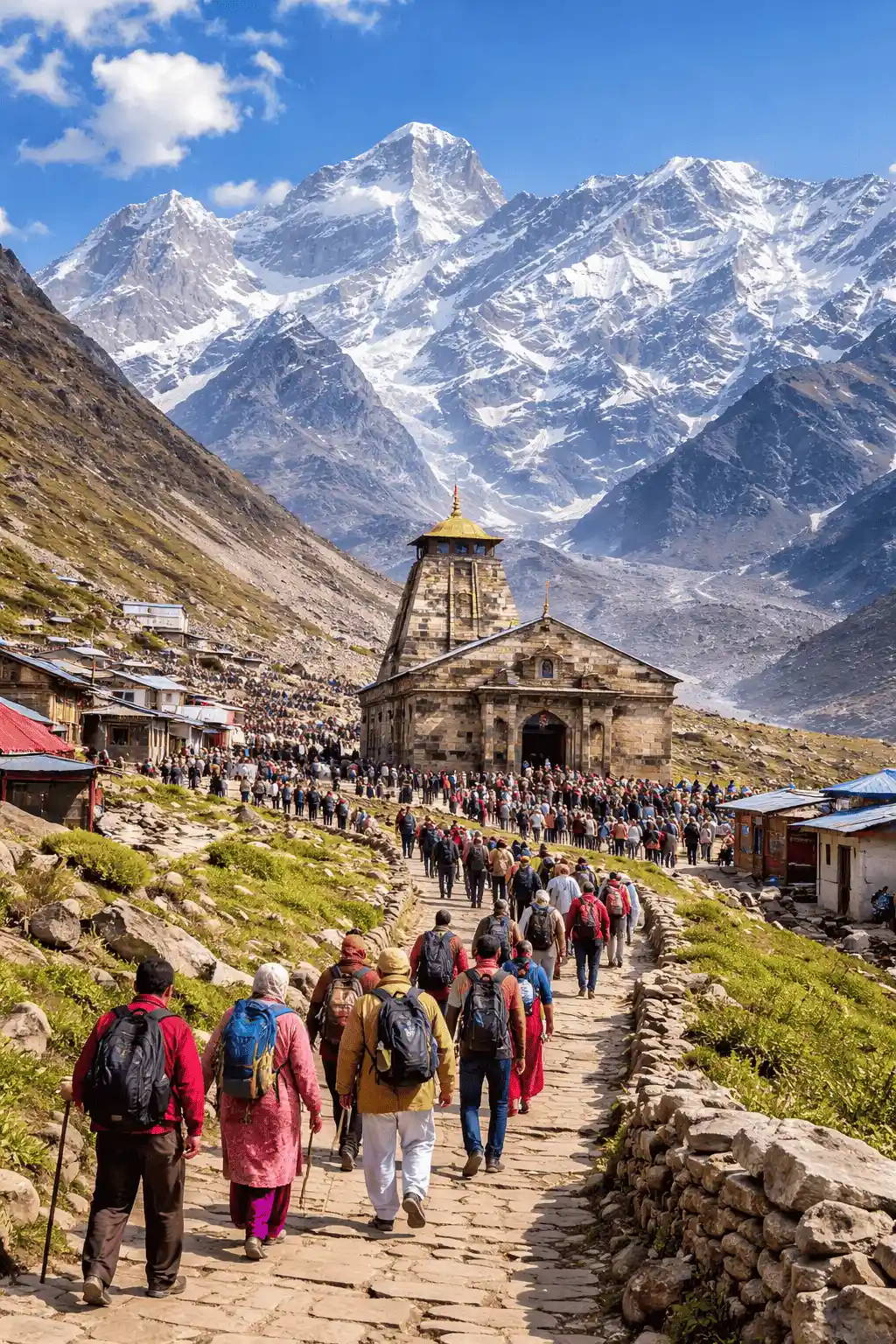
Is Char Dham Yatra Getting Too Crowded? What Pilgrims Should Know
Crowds at Char Dham Yatra are rising every year. Is it becoming too crowded? Here’s a simple look at the ground reality and what pilgrims should know.
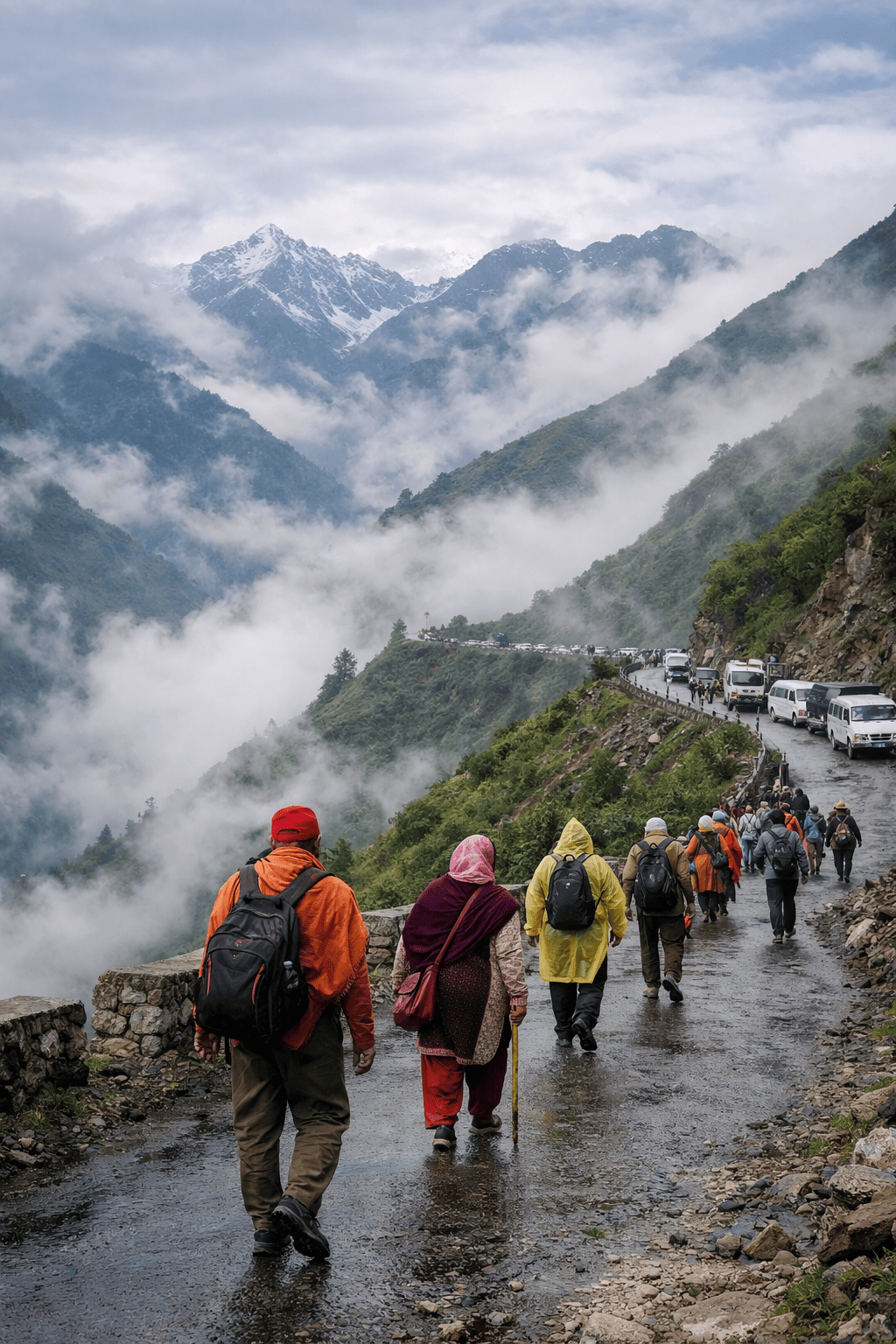
Is the Char Dham Yatra Becoming More Challenging Each Year?
Changing weather, frequent landslides, and crowded routes are reshaping the Char Dham Yatra. Here’s why preparation matters more than ever.
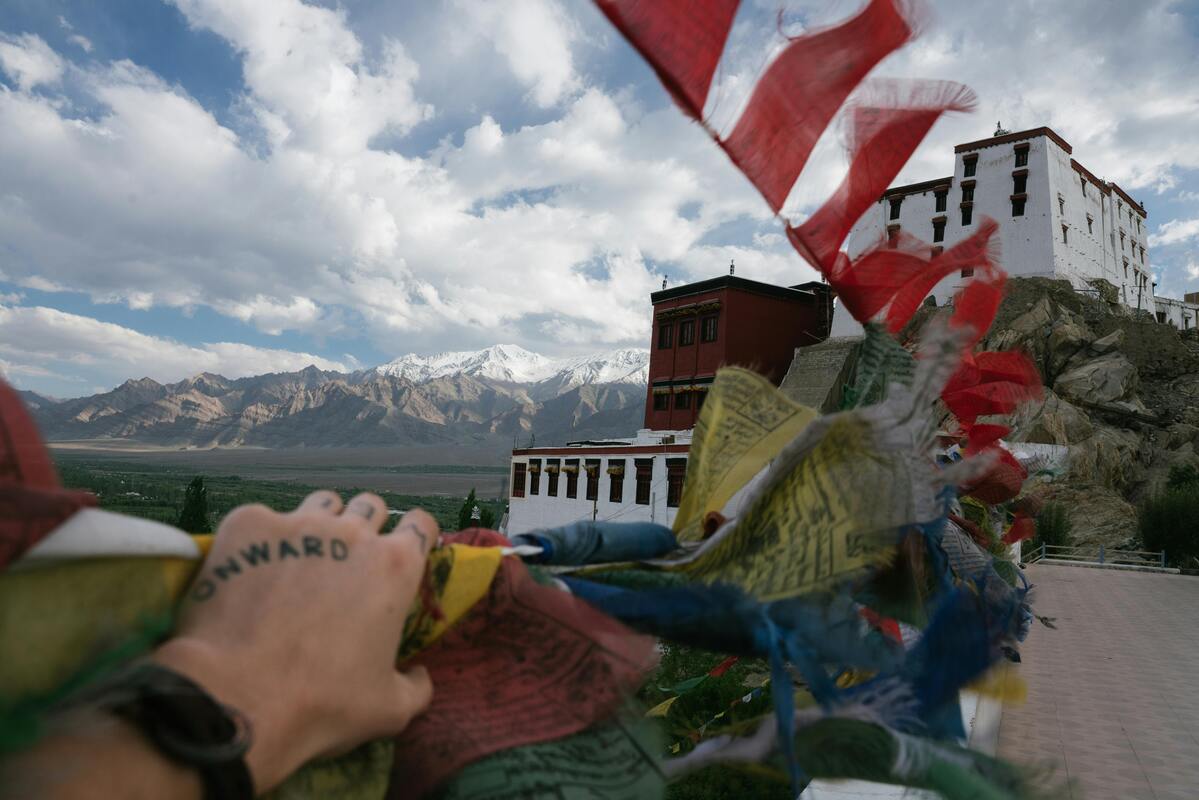
Cultural Etiquette Tourists Often Ignore in Himalayan Regions
Learn the cultural etiquette travelers often overlook in Himalayan villages and regions, and how respectful behavior leads to deeper, more meaningful travel experiences.