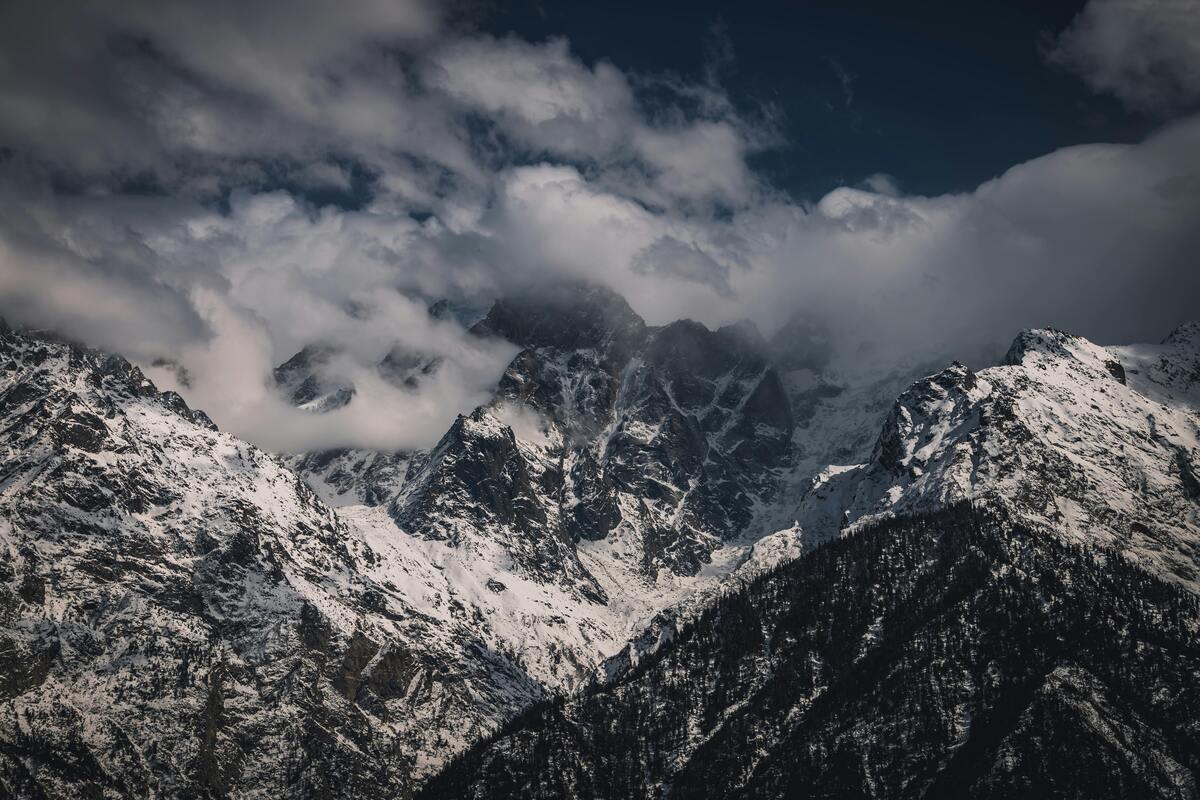
How the Himalayas Shape the Indian Monsoon – Nature’s Weather Barrier
Introduction
Every summer, millions of people across India wait for the same thing — the first signs of the monsoon. Farmers look to the sky with hope, cities prepare for rain, rivers begin to swell, and the rhythm of daily life shifts. The Indian monsoon is not just a weather event; it is the backbone of agriculture, water supply, and livelihoods for nearly one-fifth of the world’s population.
What many people don’t realise is that this massive climate system depends heavily on one natural barrier: the Himalayas.
These mountains do far more than decorate postcards or attract trekkers. They quietly control wind patterns, guide rain clouds, block dry air, and help sustain one of the most complex monsoon systems on Earth. Without the Himalayas, the Indian monsoon as we know it would simply not exist.
Understanding this relationship is essential — especially at a time when climate change is altering declining Himalayan snowfall, glacier health, and atmospheric circulation across the Himalayan region.
Understanding the Indian Monsoon in Simple Terms
The Indian monsoon is driven by a basic principle: difference in temperature between land and sea.
During summer, the Indian subcontinent heats up much faster than the surrounding oceans. Hot air over land rises, creating a low-pressure zone. Cooler, moisture-laden air from the Indian Ocean rushes in to fill this gap. As this moist air rises, it cools and releases rain.
This sounds simple — but without the Himalayas, this process would fall apart.
The Himalayas: A Giant Climate Wall
The Himalayas stretch over 2,400 kilometers, forming the highest mountain range in the world. Their sheer height and width make them a physical and climatic barrier that shapes air movement across South Asia.
Blocking Cold, Dry Winds
One of the Himalayas’ most important roles is blocking cold, dry winds from Central Asia.
If these winds were allowed to sweep freely into the Indian subcontinent during summer:
- They would cool the land
- Reduce the temperature difference between land and sea
- Weaken the monsoon circulation
This protective role of the Himalayas goes far beyond the monsoon season. By shielding South Asia from cold, dry winds throughout the year, the mountains help stabilise temperatures, influence snowfall, and shape the broader climate of the region — a process explained in detail in How the Himalayas Shield South Asia from Cold Winds & Shape Its Climate.
Forcing Rain Clouds to Rise and Rain
As monsoon winds travel northward from the Indian Ocean, they carry enormous amounts of moisture. When these clouds reach the Himalayas, they cannot pass through.
Instead, they are forced upward.
As air rises:
- Temperature drops
- Moisture condenses
- Rainfall increases
This process, known as orographic rainfall, is one reason why the Himalayan foothills and northeastern India receive some of the heaviest rainfall on Earth.
Without this uplift effect, much of the moisture would simply pass over the subcontinent without falling as rain.
How the Himalayas Shape Monsoon Pathways
The Himalayas don’t just cause rain — they also guide where the rain goes.
Steering the Monsoon Winds
The curved shape of the Himalayas helps channel monsoon winds westward and eastward across India. This steering effect ensures rainfall reaches:
- The Indo-Gangetic plains
- Central India
- The western coast
- Northeastern states
If the mountain range were lower or broken, monsoon winds would escape northward into Tibet, leaving large parts of India far drier.
The Tibetan Plateau: An Invisible Partner
Closely connected to the Himalayas is the Tibetan Plateau, often called the “Roof of the World.”
During summer, this vast elevated landmass heats up significantly and acts like a giant heat engine. It strengthens low-pressure systems over the region, pulling even more moist air from the oceans toward South Asia.
Together, the Himalayas and the Tibetan Plateau amplify the monsoon system, making it stronger and more stable.
Winter Snowfall and the Next Summer’s Monsoon
What happens in the Himalayas during winter directly affects the next monsoon season.
The Snow–Monsoon Connection
Heavy winter snowfall in the Himalayas:
- Reflects sunlight
- Keeps the land cooler for longer
- Delays summer heating
This can weaken or delay the monsoon.
On the other hand, reduced snowfall allows land to heat up faster, sometimes leading to:
- Early monsoon onset
- Shorter but more intense rainfall periods
- Increased flooding
This delicate balance is now being disturbed by climate change.
Climate Change Is Disrupting This Ancient System
The Himalayas are warming faster than the global average. Glaciers are retreating, snowfall patterns are changing, and atmospheric circulation is becoming less predictable.
These changes affect the monsoon in several ways:
1. Unpredictable Rainfall
Instead of steady seasonal rain, many regions now experience:
- Long dry spells
- Sudden cloudbursts
- Localised flooding
2. Shift in Monsoon Timing
Delayed onset or early withdrawal of the monsoon affects agriculture cycles, especially for rain-fed farming.
3. Increased Extreme Events
Warmer air holds more moisture, leading to intense rainfall events that the mountains and valleys are not equipped to handle.
Why This Matters Beyond Weather
The Himalayas controlling the monsoon is not just a scientific concept — it affects real lives.
Agriculture
Nearly half of India’s farmland depends on monsoon rains. Small changes in rainfall timing or intensity can mean the difference between a good harvest and crop failure.
Water Security
Rivers like the Ganga, Yamuna, and Brahmaputra are part of vast Himalayan-fed river systems that depend on both monsoon rain and seasonal snowmelt. Disruption to either threatens drinking water for millions.
Ecosystems
Forests, wetlands, and grasslands across South Asia evolved around predictable monsoon patterns. Rapid change puts entire ecosystems at risk.
The influence of the Himalayas goes far beyond rainfall, shaping climate across South Asia and affecting ecosystems, agriculture, and water systems across multiple countries.
Why Protecting the Himalayas Protects the Monsoon
Deforestation, unplanned construction, mining, and mass tourism are weakening fragile Himalayan ecosystems that play a vital role in regulating climate and rainfall patterns.
When slopes are stripped of forests:
- Soil erosion increases
- Landslides become more frequent
- Water absorption decreases
Healthy mountain ecosystems help regulate moisture, stabilize slopes, and maintain local climate balance — all of which support the monsoon system.
A System That Connects Mountains to Millions
The Indian monsoon may begin over warm oceans, but it is shaped, strengthened, and guided by the Himalayas.
Every glacier, forest, and ridge plays a role in:
- Directing rain clouds
- Regulating temperatures
- Sustaining life far beyond the mountains themselves
As climate pressures grow, understanding this connection becomes more than academic. It is a reminder that protecting the Himalayas is not just about saving mountains — it is about safeguarding water, food, and stability across South Asia.
Related Articles
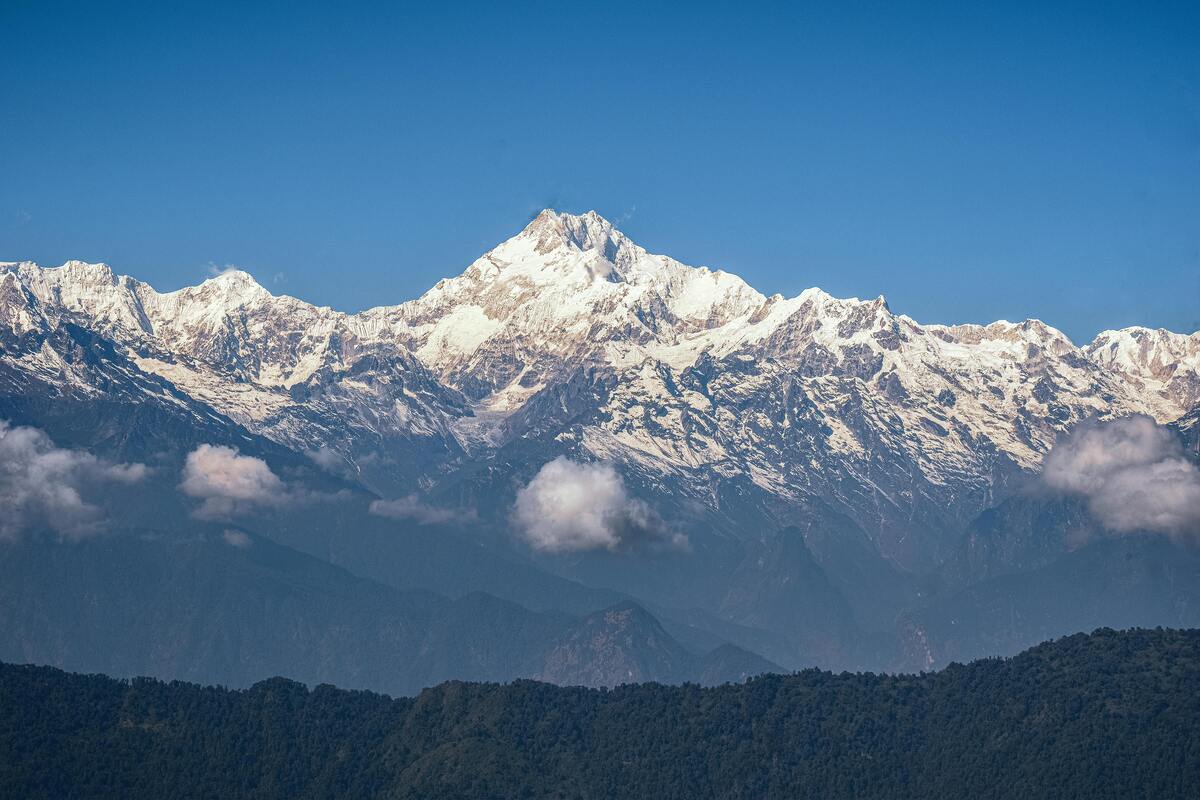
Why Himadri is the Highest Himalayan Range (Explained in a Simple Way)
Why is Himadri higher than other Himalayan ranges? Discover the simple reasons behind its height with an easy, beginner-friendly explanation.
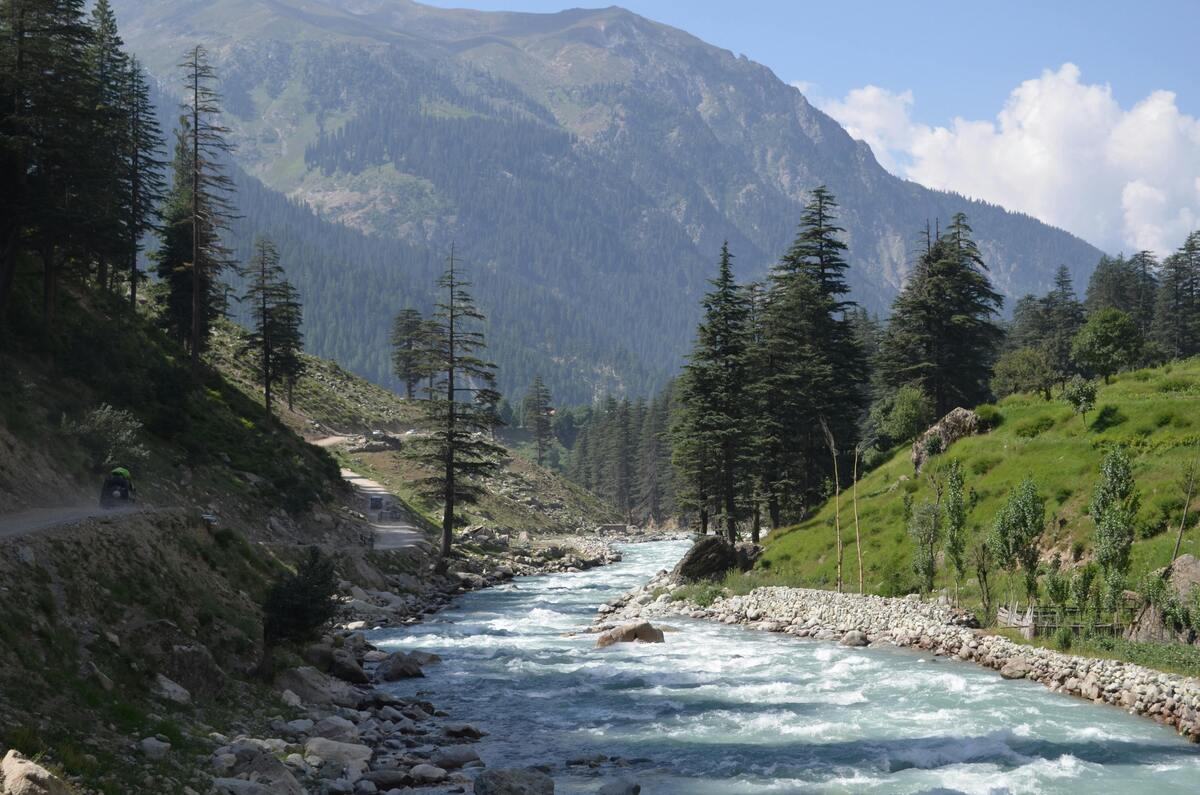
Climate Change Impact on Himalayan Rivers
Climate change is rapidly affecting Himalayan rivers like the Ganges, Brahmaputra, and Indus. Learn how glacier melting, changing rainfall, and floods threaten water security for nearly 2 billion people.
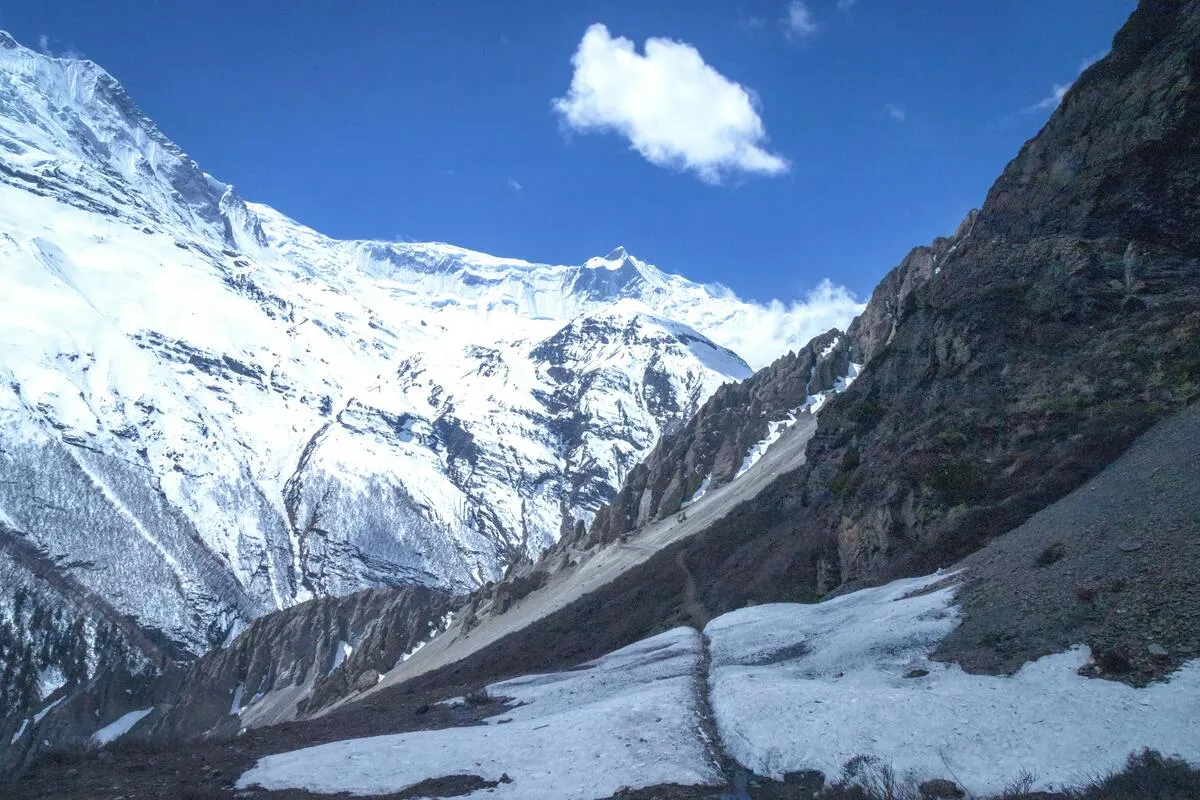
Why Himalayan Glaciers Are Melting Faster Than Ever — And Why the World Should Care
Himalayan glaciers are melting faster than ever. Discover the real causes, scientific warnings, and what glacier loss means for rivers, communities, and climate.