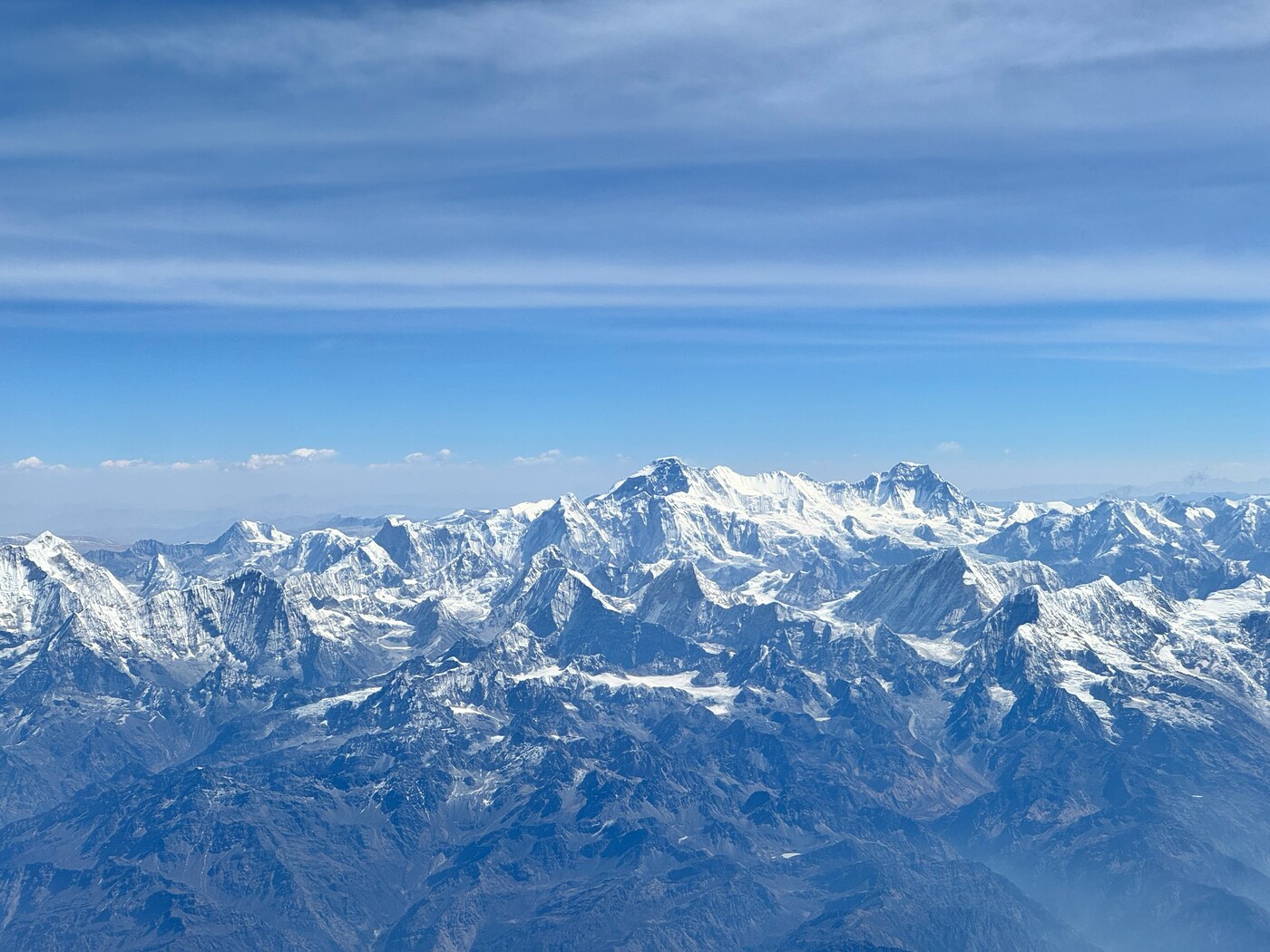
How the Himalayas Shape Climate Across South Asia – Effects on Rain, Temperature & Life
Introduction
For most people, the Himalayas are a dramatic skyline—snowy peaks, sacred rivers, distant mountains that feel separate from everyday life. But in reality, the Himalayas are not just a backdrop to South Asia. They are one of its most powerful climate regulators.
From monsoon rains in central India to winter cold in northern plains, from fertile river valleys to drought-prone regions, the climate patterns that shape life for nearly two billion people are deeply influenced by what happens in these mountains.
The Himalayas act as a barrier, a water tower, a weather gatekeeper, and a temperature regulator. When they change, South Asia feels it—often quietly, sometimes catastrophically.
Understanding this connection is no longer just an academic exercise. It is essential for understanding floods, heatwaves, agriculture, and water security across the subcontinent.
The Himalayas as a Natural Climate Barrier for South Asia
One of the most important roles of the Himalayas is deceptively simple: they stand in the way.
Stretching across several countries, the Himalayan range forms a massive wall between the Indian subcontinent and Central Asia. This physical barrier shapes how air moves, how moisture travels, and how temperatures behave.
During winter, cold, dry winds from Central Asia are largely blocked by the Himalayas. Without this barrier, northern India would experience much harsher winters, similar to regions at comparable latitudes elsewhere in the world.
This is why much of South Asia remains warmer and more habitable during winter than it otherwise would be.
At the same time, the Himalayas trap warmer air masses over the subcontinent, helping maintain the region’s overall climatic character.
How the Himalayas Shape the South Asian Monsoon System
The South Asian monsoon is not just a seasonal rain—it is the backbone of agriculture, water supply, and food security across the region. And the Himalayas play a central role in shaping it.
As summer approaches, the Indian subcontinent heats up faster than the surrounding oceans. Warm air rises, creating low-pressure zones that draw in moist air from the Indian Ocean.
When this moisture-laden air hits the Himalayas, it has nowhere to go but up.
As the air rises along the mountain slopes, it cools and releases moisture as rainfall. This process—known as orographic rainfall—is one of the reasons the monsoon is so intense and widespread.
Without the Himalayas:
- Monsoon winds would pass further north
- Rainfall would be weaker and less concentrated
- Large parts of South Asia would be significantly drier
In this sense, the Himalayas act like a giant rain trigger for the subcontinent.
How Himalayan Snow and Glaciers Feed South Asia’s Rivers
Climate is not only about rain—it is also about timing.
The Himalayas are often called the “Water Tower of Asia” because they store water in the form of snow and glaciers and release it slowly through the year.
Major river systems originate here, including:
- The Ganga
- The Indus
- The Brahmaputra
- The Yamuna
- The Sutlej
Snowfall during winter accumulates in glaciers and snowfields. As temperatures rise in spring and summer, this stored water melts gradually, feeding rivers long after the monsoon rains have ended.
This slow release:
- Stabilizes river flow
- Supports irrigation during dry months
- Reduces extreme water shortages
In contrast, rainfall alone would create floods during the monsoon and scarcity afterward. Snow and ice smooth out these extremes.
→ Link to:
Fragile Himalayan Ecosystems: Why They Matter and Why They Need Protection
Why South Asia’s Climate Depends on Himalayan Snow
Snow in the Himalayas is not just frozen water—it is a climate regulator.
Snow reflects sunlight back into the atmosphere, helping keep regional temperatures lower. When snow cover is extensive, it cools surrounding air masses and influences wind patterns across northern India and beyond.
As snow cover declines:
- More heat is absorbed by exposed land and rock
- Regional temperatures rise faster
- Heatwaves become more intense and frequent
This is one reason why changes in Himalayan snowfall are linked to rising temperatures in the Indo-Gangetic plains.
The mountains, in effect, help moderate South Asia’s climate by controlling how much heat the land absorbs.
The Role of the Himalayas in Western Disturbances and Winter Weather
Not all weather in South Asia comes from the monsoon. During winter, northern India and the western Himalayas receive precipitation from western disturbances—weather systems that originate near the Mediterranean.
When these systems interact with the Himalayas:
- They produce winter snowfall in the mountains
- They bring winter rain to parts of northern India
- They influence winter temperatures across the region
Changes in the Himalayan climate—especially rising temperatures—are altering how these disturbances behave. Increasingly, they bring rain instead of snow, which affects water storage and seasonal balance.
This shift has consequences far beyond the mountains, influencing agriculture and water availability in downstream regions.
How the Himalayas Shape Heatwaves and Cold Waves
The Himalayas also influence extreme weather events.
Cold waves in northern India are often linked to interactions between Himalayan snow cover and atmospheric circulation. Years with heavier snow tend to experience stronger cold waves in the plains.
Conversely, reduced snow cover weakens this cooling effect, contributing to:
- Warmer winters
- Early heatwaves
- Longer summer seasons
This helps explain why heatwaves in South Asia are becoming more intense and starting earlier in the year.
The mountains are losing some of their ability to buffer temperature extremes.
How Climate Change Is Altering the Himalayan–South Asia Climate Balance
For centuries, the Himalayas maintained a relatively stable relationship with South Asia’s climate. That balance is now shifting.
The Himalayas are warming faster than the global average—a phenomenon known as elevation-dependent warming. Snowlines are moving upward, glaciers are thinning, and rainfall patterns are changing.
These changes ripple outward:
- Rivers become less reliable
- Monsoon patterns grow more erratic
- Floods and droughts become more unpredictable
What happens in the high mountains no longer stays there.
→ Link to:
Why the Himalayas Are Getting Less Snow Than Before (And Why It Matters)
Impact on Agriculture Across South Asia
South Asia’s agriculture is deeply climate-sensitive.
Farmers depend on:
- Timely monsoon rains
- Predictable river flow
- Seasonal temperature patterns
When Himalayan systems destabilize:
- Monsoon timing becomes uncertain
- Irrigation water becomes unreliable
- Crop cycles are disrupted
This affects not only mountain regions but also the vast agricultural plains that feed millions.
In this way, Himalayan climate shifts directly influence food security across South Asia.
→ Link to:
How Climate Change is Impacting Life in Himalayan Communities
Why This Connection Is Often Overlooked
Despite their importance, the Himalayas are often treated as a distant landscape—beautiful but separate from everyday life in cities and plains.
Climate discussions tend to focus on:
- Urban heat
- Coastal flooding
- Air pollution
But the mountains quietly shape all of these through atmospheric circulation, water systems, and seasonal balance.
Ignoring the Himalayan climate system means misunderstanding South Asia’s climate as a whole.
→ Link to:
Tourism Impact on Himalayan Communities
Why Protecting the Himalayas Is a Regional Responsibility
The Himalayas span multiple countries, but their influence does not stop at borders. Rivers, winds, and weather systems move freely across the region.
Protecting Himalayan ecosystems—forests, glaciers, wetlands—is not just about conservation. It is about climate stability for an entire region.
Actions that matter include:
- Reducing pollution that accelerates snow and glacier melt
- Protecting forests that regulate moisture and temperature
- Limiting unplanned development in fragile zones
- Supporting community-led conservation efforts
These are not mountain-only concerns. They are South Asian climate priorities.
A Mountain Range That Shapes Millions of Lives
The Himalayas may feel distant to someone living in a city or a coastal town, but their influence is constant and profound.
They guide the monsoon.
They feed the rivers.
They soften extremes.
They stabilize seasons.
As the Himalayas change, South Asia’s climate becomes less predictable—and more vulnerable.
Understanding this connection is the first step toward protecting both the mountains and the lives shaped by them. Because in South Asia, the climate does not begin in the clouds—it begins in the mountains.
→ Link to:
How to Travel Responsibly in the Himalayas – Practical Guide for First-Time Visitors
Related Articles
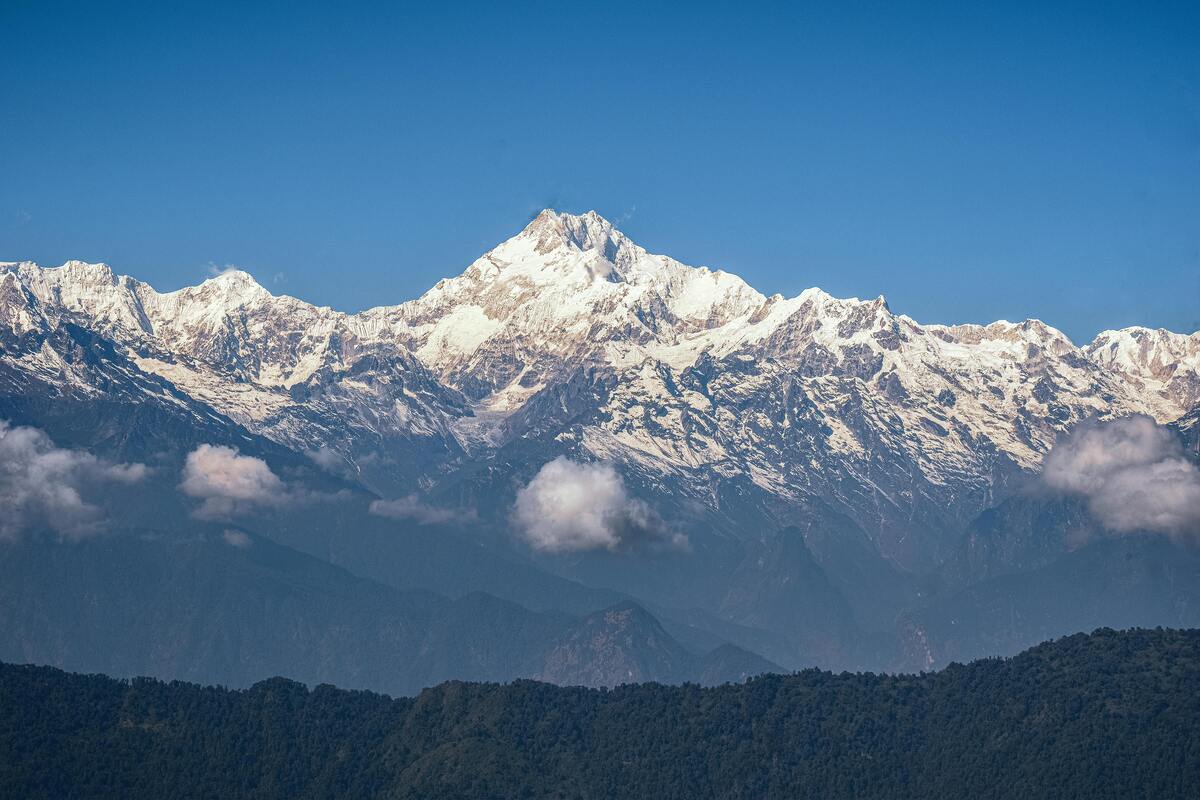
Why Himadri is the Highest Himalayan Range (Explained in a Simple Way)
Why is Himadri higher than other Himalayan ranges? Discover the simple reasons behind its height with an easy, beginner-friendly explanation.
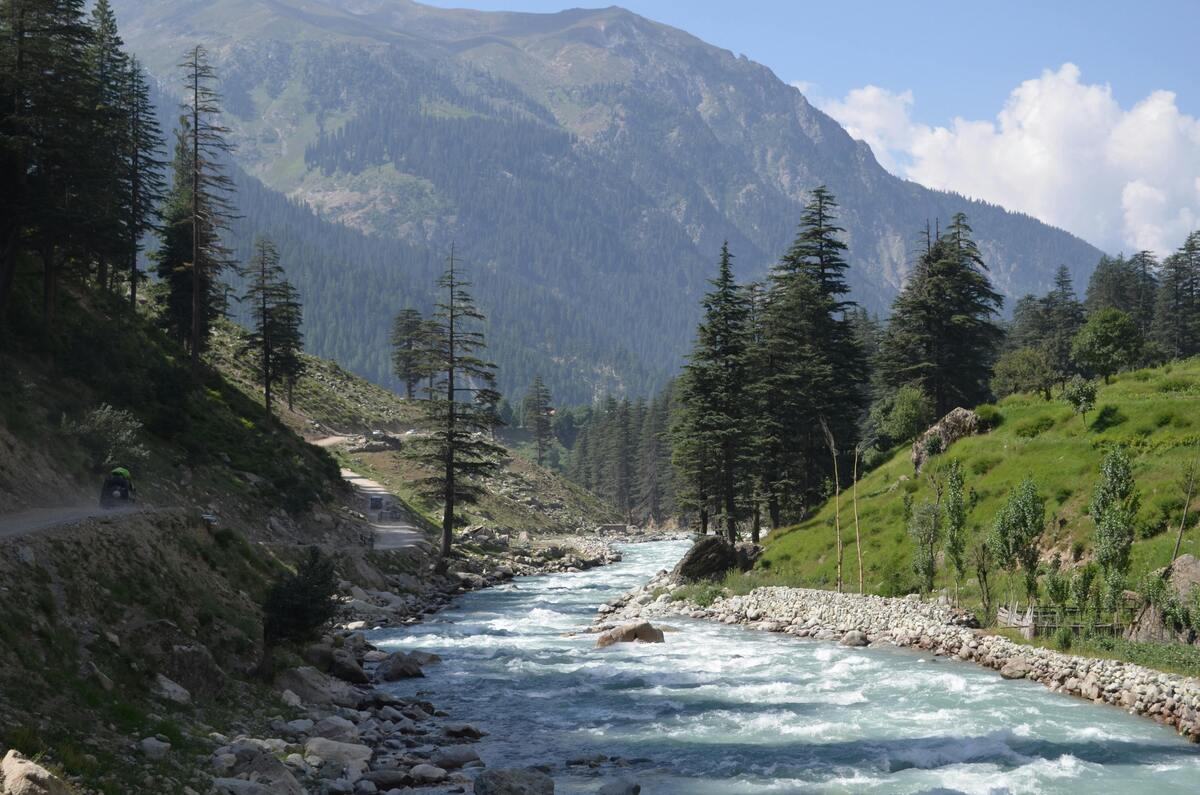
Climate Change Impact on Himalayan Rivers
Climate change is rapidly affecting Himalayan rivers like the Ganges, Brahmaputra, and Indus. Learn how glacier melting, changing rainfall, and floods threaten water security for nearly 2 billion people.
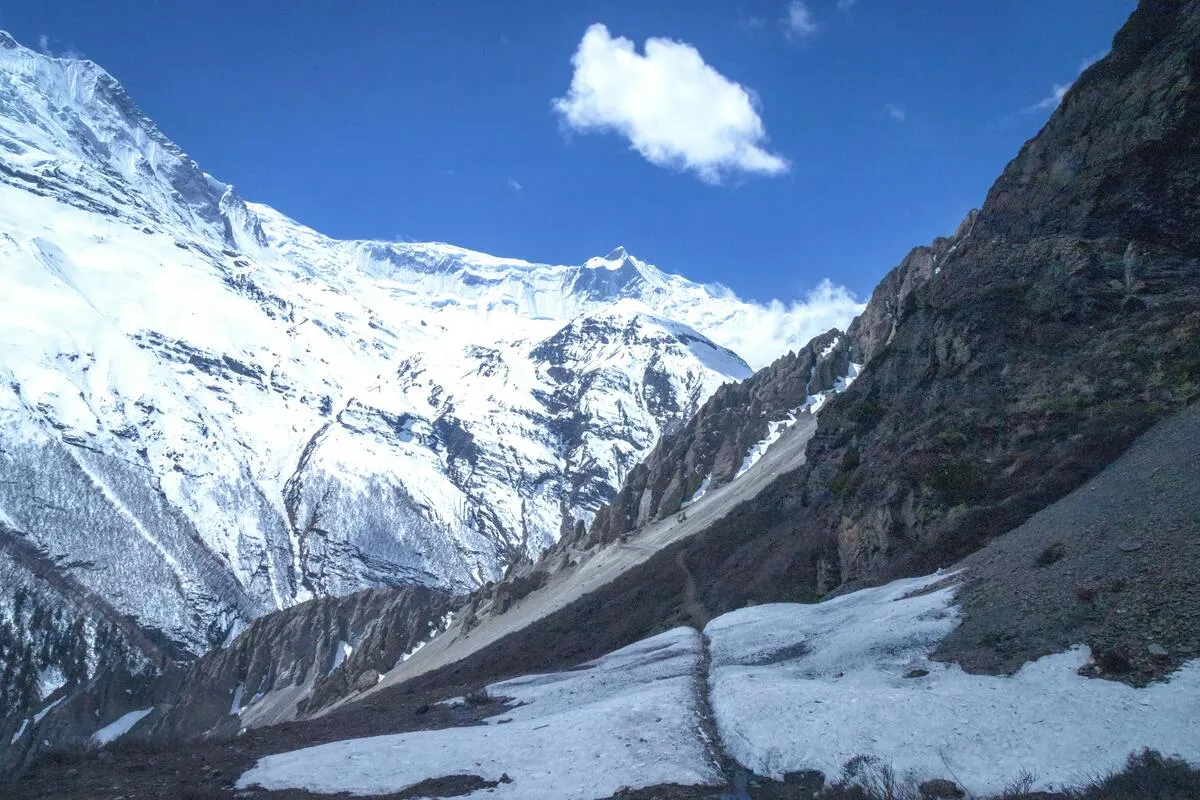
Why Himalayan Glaciers Are Melting Faster Than Ever — And Why the World Should Care
Himalayan glaciers are melting faster than ever. Discover the real causes, scientific warnings, and what glacier loss means for rivers, communities, and climate.