
How Tourism Impacts Himalayan Communities
Tourism Impact on Himalayan Communities: How Travel Shapes Lives in the Himalayas
The Himalayas are not just the world’s highest mountains — they are home to millions of people who have lived in these valleys and high-altitude villages for generations. From small farming communities in Uttarakhand and Himachal to remote settlements in Nepal, Sikkim, and Ladakh, life in the Himalayas has always depended on nature, tradition, and strong community bonds.
Over the last few decades, tourism has reached even the most remote corners of this region. Trekkers, pilgrims, backpackers, photographers, and adventure seekers arrive in growing numbers each year. Tourism has brought new income, jobs, and opportunities — but it has also created serious challenges.
In this article, we explore the real impact of tourism on Himalayan communities: the good, the bad, and what responsible travel can do to protect local people and their way of life.
Life in Himalayan Communities Before Tourism
Before tourism became popular, most Himalayan villages depended on:
- Small-scale farming and animal husbandry
- Forest resources like firewood, herbs, and fodder
- Traditional crafts such as weaving and woodwork
- Seasonal migration for labor in nearby towns
Life was simple but difficult. Harsh winters, limited healthcare, poor roads, and isolation were part of everyday reality. Education opportunities were limited, and many young people left their villages permanently in search of work.
Tourism slowly changed this situation — for better and worse.
Positive Impacts of Tourism on Himalayan Communities
When managed responsibly, tourism can become a powerful tool for development. Many Himalayan regions have already seen real benefits.
1. New Jobs and Income Sources
Tourism has created many local jobs, such as:
- Trekking guides and porters
- Homestay owners and hotel staff
- Taxi drivers and mule handlers
- Cooks, cleaners, and campsite workers
- Handicraft sellers and small shop owners
For families that once depended only on farming, this extra income can mean better food, education for children, and improved living standards.
In villages near popular trekking routes like Kedarkantha, Valley of Flowers, or Everest Base Camp, tourism income now supports entire communities.
2. Growth of Homestays and Local Businesses
Homestays have become one of the most important positive developments. Instead of staying in large hotels owned by outsiders, travelers live with local families.
This provides:
- Direct income to villagers
- Cultural exchange between visitors and hosts
- Motivation to preserve traditional homes and food habits
Small tea shops, grocery stores, bakeries, rental gear shops, and local cafés have also grown around tourism hubs, strengthening village economies.
3. Better Infrastructure and Connectivity
Tourism often pushes governments to improve basic facilities such as:
- Roads and transport
- Electricity and mobile networks
- Schools and hospitals
- Clean drinking water systems
Remote areas that once took days to reach are now connected by roads and internet, making life easier for locals — not just tourists.
4. Preservation of Culture and Traditions
Many communities have rediscovered pride in their traditions because visitors show interest in:
- Local festivals
- Traditional clothing
- Folk music and dance
- Indigenous food and farming methods
Cultural tourism has helped revive disappearing customs and languages in some regions.
Negative Impacts of Tourism on Himalayan Communities
While tourism brings benefits, unplanned and mass tourism can deeply harm local people.
1. Rising Cost of Living
As popular destinations grow, prices rise.
- Land becomes expensive
- Rent increases
- Food and daily essentials cost more
Local families who do not directly earn from tourism often struggle to afford basic needs in their own villages.
2. Cultural Erosion and Loss of Identity
Modern tourism can slowly change traditional lifestyles.
- Young people may abandon local customs to copy tourist culture
- Traditional clothing is replaced by western fashion
- Local languages are spoken less
- Religious and social values weaken
Villages risk becoming “tourist shows” rather than living communities.
3. Unequal Distribution of Income
Not everyone benefits equally.
Large hotels, tour companies, and outside investors often take most of the profits. Local workers may receive low wages while outsiders control the business.
This creates:
- Economic inequality
- Social tension
- Dependence on tourism instead of diverse income sources
4. Environmental Damage That Affects Local Life
Environmental problems caused by tourism directly impact communities:
- Water shortages due to hotels and camps
- Plastic waste in rivers and fields
- Deforestation for construction
- Noise pollution and overcrowding
When forests are cut or springs dry up, it is the villagers who suffer first.
5. Seasonal and Unstable Income
Tourism in the Himalayas is highly seasonal.
During peak months, people earn well. But in winter or during natural disasters, income suddenly disappears.
This uncertainty makes families financially vulnerable.
How Responsible Tourism Can Protect Himalayan Communities
The future of Himalayan tourism depends on balance. Responsible tourism puts local people at the center of development.
1. Choose Local Homestays and Guides
Support businesses owned by local families instead of big corporations. This keeps money within the community.
2. Respect Local Culture and Traditions
- Dress modestly in villages and temples
- Ask before taking photos of people
- Learn a few local greetings
- Follow community rules
Respect builds trust and protects cultural identity.
3. Reduce Environmental Impact
- Carry reusable bottles and bags
- Avoid plastic packaging
- Never litter
- Use eco-friendly toiletries
A clean environment means healthier villages.
4. Travel in Small Groups
Small groups reduce pressure on resources, homes, and local infrastructure.
5. Support Community Projects
Many villages run:
- Women self-help groups
- Organic farming cooperatives
- Local schools and skill centers
Buying their products or donating directly creates long-term benefits.
Real-Life Example: A Village Changed by Tourism
Take the example of a small village near Chopta in Uttarakhand.
Before tourism, most families depended on farming and forest work. Income was low and young people migrated to cities.
After trekking tourism grew:
- Families opened homestays
- Women started selling homemade pickles and wool products
- Roads improved
- Children stayed in school
But problems also appeared:
- Garbage increased
- Water became scarce in summer
- Land prices rose
Only when villagers created waste rules and limited construction did balance return.
This story is repeated across the Himalayas.
The Role of Governments and Tour Operators
Tourism must be planned, not uncontrolled.
Authorities and companies should:
- Limit visitor numbers in fragile areas
- Enforce waste management laws
- Promote community-owned tourism
- Invest in education and healthcare
- Protect forests and water sources
Without strong policies, communities pay the price.
Why This Matters for the Future of the Himalayas
Himalayan communities are guardians of fragile ecosystems and ancient cultures.
If tourism destroys their environment or forces them to abandon traditions, the mountains will lose more than beauty — they will lose their soul.
Responsible tourism offers a better path:
- Strong local economies
- Protected nature
- Preserved cultures
- Meaningful travel experiences
Final Thoughts
Tourism is neither a villain nor a hero. It is a powerful force.
In the Himalayas, its impact on communities can be life-changing — in positive or harmful ways.
As travelers, bloggers, tour operators, and policymakers, we all share responsibility.
By choosing responsible travel, supporting local people, and respecting nature, we can ensure that Himalayan communities thrive — not just survive — for generations to come.
If you are planning to travel to the Himalayas, remember: every small decision you make shapes the future of the people who call these mountains home.
Related Articles
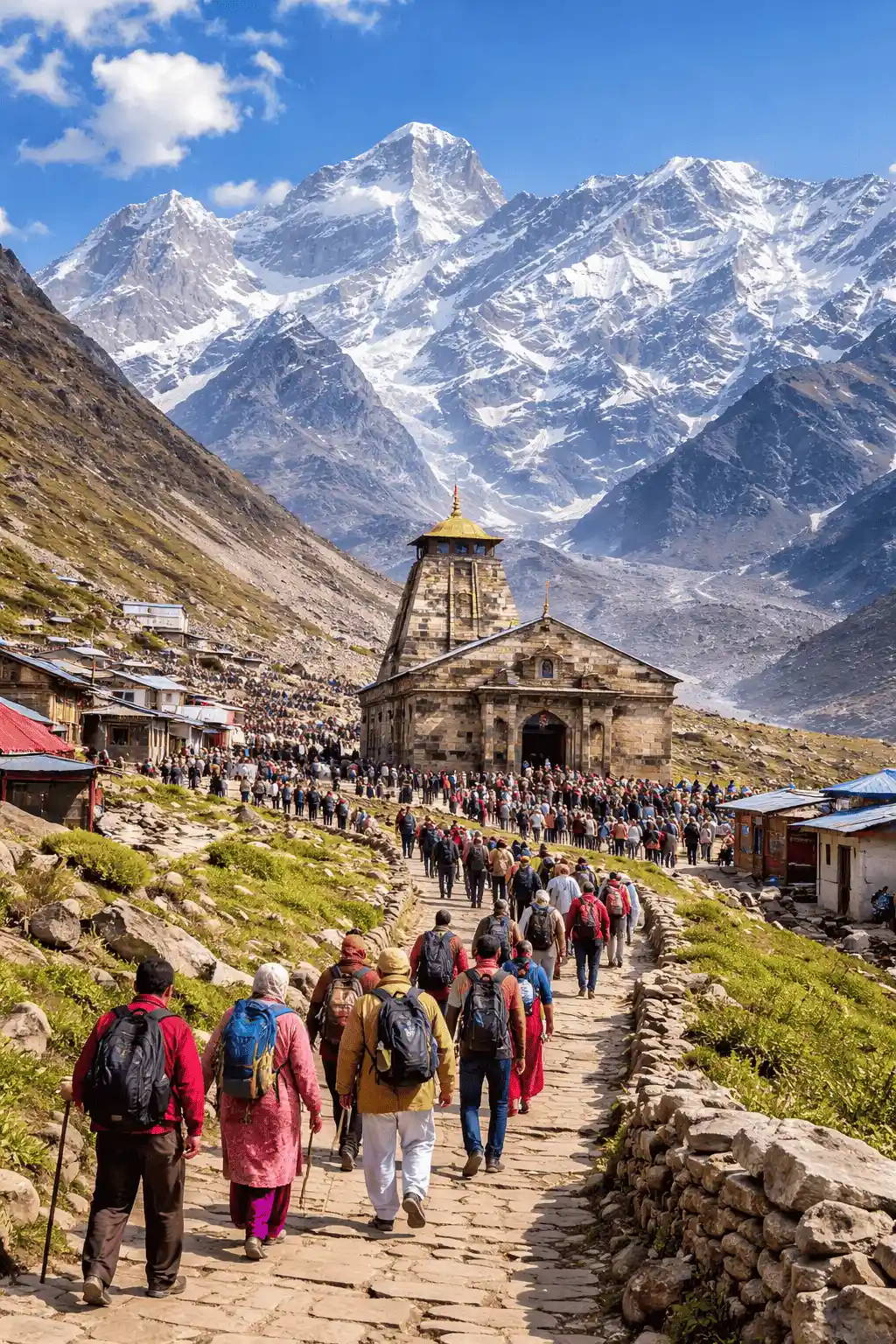
Is Char Dham Yatra Getting Too Crowded? What Pilgrims Should Know
Crowds at Char Dham Yatra are rising every year. Is it becoming too crowded? Here’s a simple look at the ground reality and what pilgrims should know.
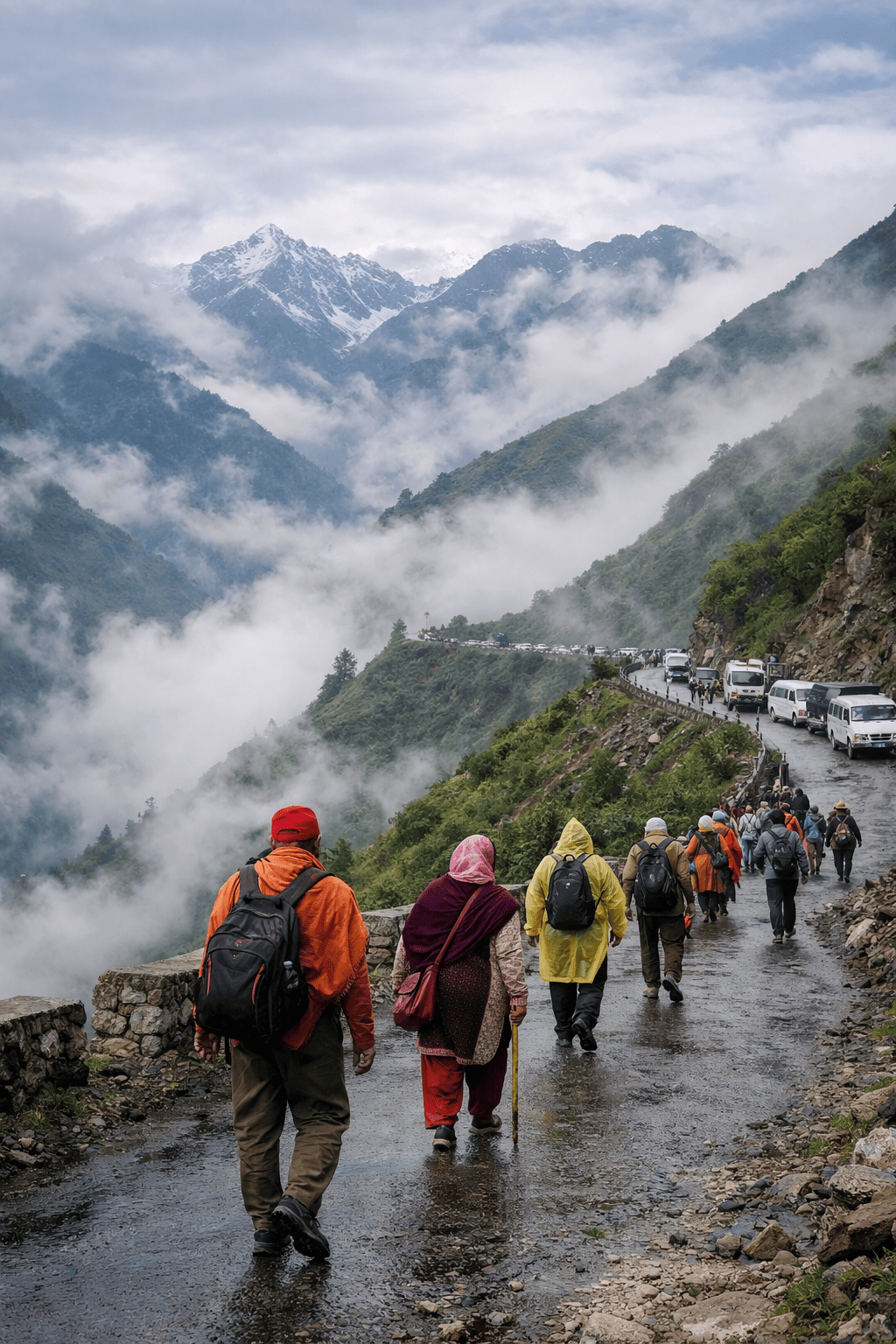
Is the Char Dham Yatra Becoming More Challenging Each Year?
Changing weather, frequent landslides, and crowded routes are reshaping the Char Dham Yatra. Here’s why preparation matters more than ever.
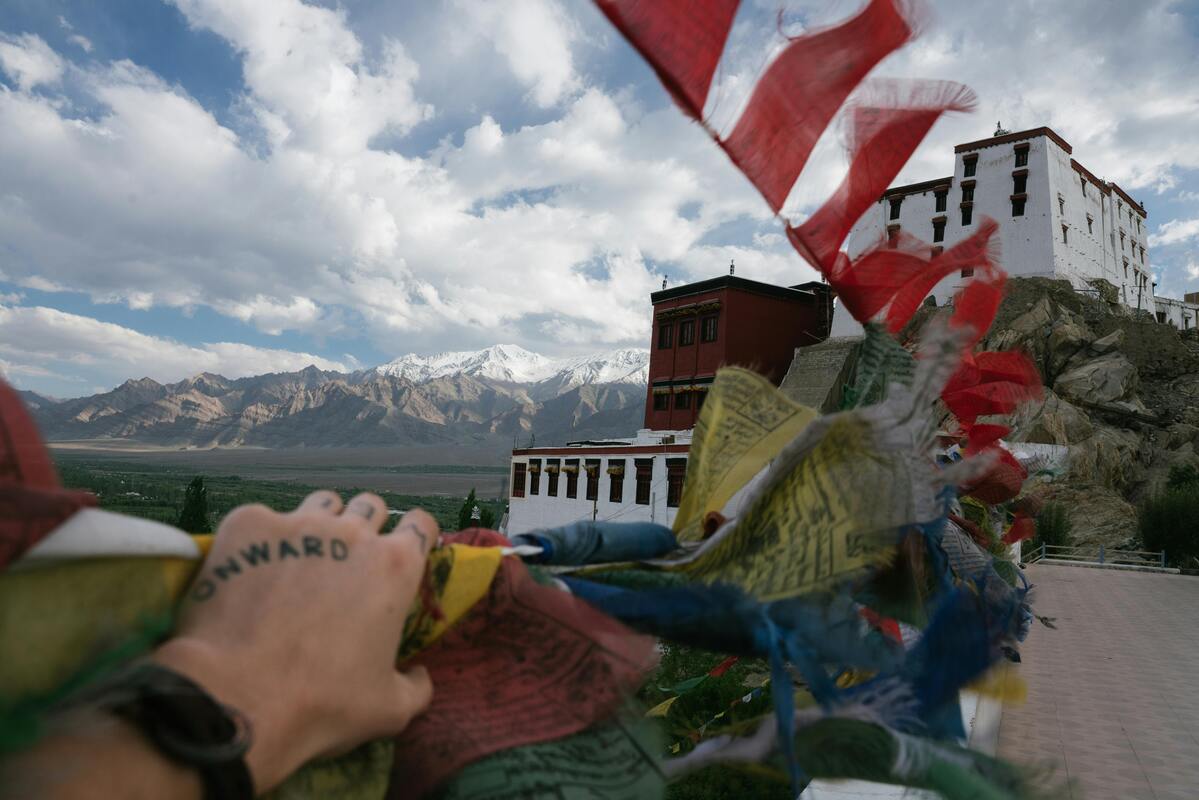
Cultural Etiquette Tourists Often Ignore in Himalayan Regions
Learn the cultural etiquette travelers often overlook in Himalayan villages and regions, and how respectful behavior leads to deeper, more meaningful travel experiences.