Char Dham Yatra: A Lifeline for Local Economy, a Strain on Himalayan Ecology
Introduction
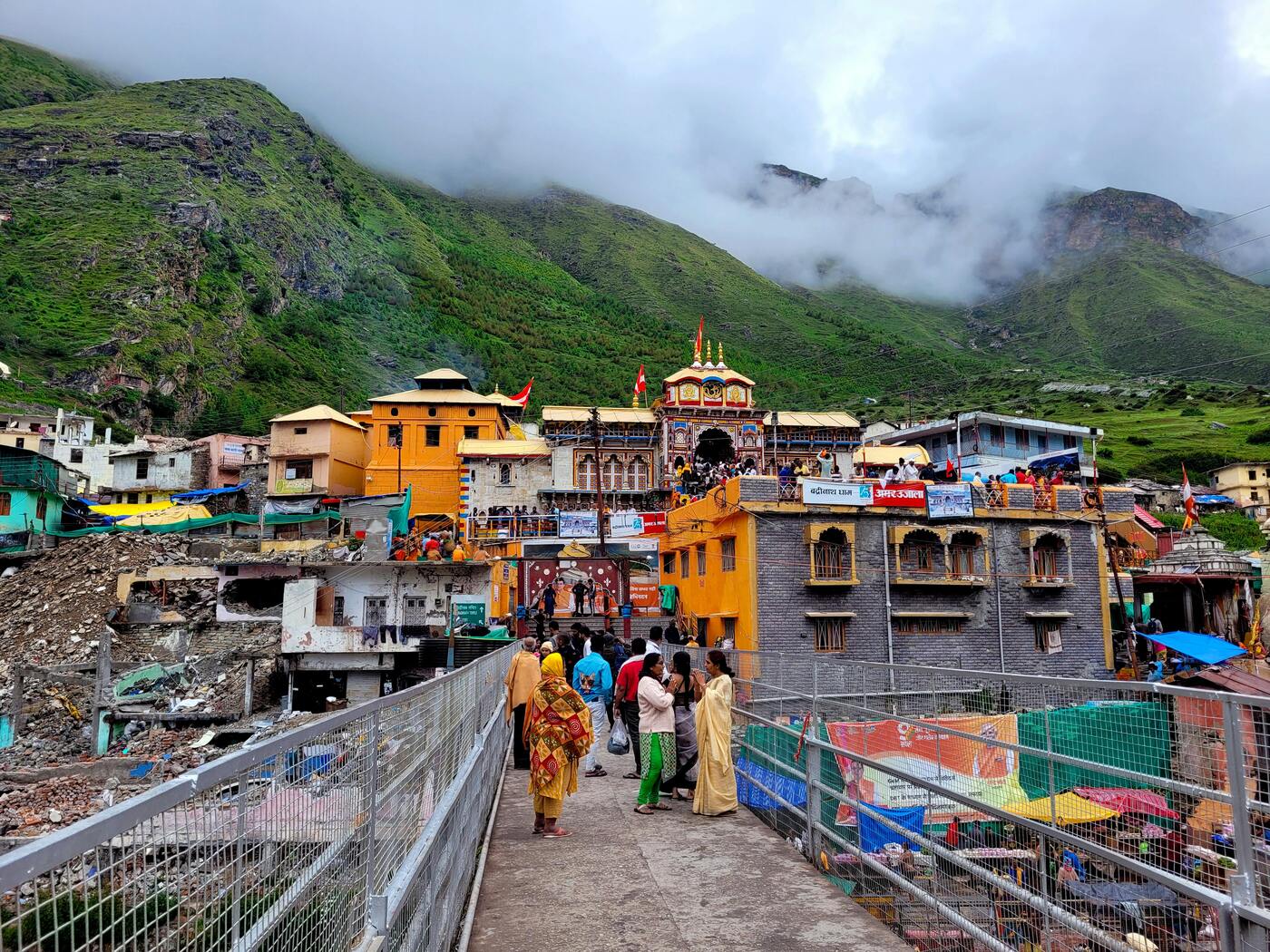
Every summer, the mountains of Uttarakhand come alive in a familiar way. Roads fill with buses, small towns wake before dawn, tea stalls reopen after long winters, and thousands of families prepare for the Char Dham Yatra season. For many locals, these few months decide whether the year will be manageable or difficult.
At the same time, the same season brings traffic jams at high altitudes, overflowing waste bins, stressed water sources, and hillsides cut open for wider roads. The Char Dham Yatra today stands at a complex crossroads — between devotion and development, livelihood and landscape, faith and fragility.
This journey is not simply a pilgrimage anymore. It has become one of the most powerful forces shaping the Himalayan region — economically, socially, and ecologically.
Why the Char Dham Yatra Matters So Much to Local Communities
For people living in Uttarkashi, Chamoli, Rudraprayag, and surrounding districts, the Char Dham Yatra is not an abstract concept. It is work. It is income. It is survival.
Hotels, dhabas, transport operators, porters, shopkeepers, horse owners, guides, and daily-wage workers depend heavily on this short pilgrimage window. In many villages, agriculture alone cannot sustain families anymore due to declining productivity, wildlife pressure, and changing climate patterns. Tourism fills that gap.
For some households, the Yatra income:
- Pays school fees
- Covers medical expenses
- Helps repair homes damaged by harsh winters
- Prevents seasonal migration to cities
When pilgrim numbers fall due to weather events, disasters, or policy changes, the impact is immediate and deeply personal. This is why any discussion about limiting or regulating the Yatra often creates anxiety among locals — not because they deny environmental damage, but because alternatives are rarely offered.
The Char Dham Yatra is not just spiritual movement; it is an economic lifeline woven into everyday Himalayan life.
How the Scale of the Yatra Has Changed Over Time
Historically, the Char Dham pilgrimage was slow, seasonal, and physically demanding. Fewer people undertook it, and those who did stayed longer, relied on local resources, and traveled with humility toward the terrain.
Today, the scale is very different.
Improved road access, helicopter services, aggressive promotion, social media visibility, and religious tourism marketing have transformed the Yatra into a mass movement. Pilgrims now expect speed, comfort, and certainty — even in landscapes that are naturally unpredictable.
This shift has led to:
- Heavy traffic on narrow mountain roads
- Large infrastructure projects in fragile zones
- Shorter stays but higher daily footfall
- Increased pressure on water, waste, and land
The Himalayas, unlike plains or cities, do not absorb rapid change easily. Every road cut, parking area, or hotel expansion carries long-term consequences.
Ecological Stress in a Fragile Mountain System
The Himalayan ecosystem is young, unstable, and extremely sensitive. Landslides, floods, and erosion are not rare events — they are natural processes that intensify when human pressure increases.
During peak Yatra season, several environmental stresses become visible:
1. Waste accumulation
Plastic bottles, food packaging, medical waste, and single-use items often exceed local waste-handling capacity. Many towns lack proper segregation or disposal systems, leading to dumping along roadsides or into rivers.
2. Water scarcity
Ironically, despite being close to glaciers and rivers, many pilgrimage towns face water shortages. Temporary population explosions strain limited water infrastructure, affecting both residents and visitors.
3. Road expansion and slope destabilization
Widening roads in steep terrain often involves cutting mountain slopes. Without adequate geological assessment and slope protection, this increases landslide risk, especially during monsoon seasons.
4. Pressure on forests and wildlife
Increased human presence disrupts wildlife corridors and leads to forest degradation, both directly and indirectly.
These issues are not hypothetical. They are visible on the ground and increasingly reflected in climate-linked events such as flash floods, road collapses, and prolonged closures.
Development, Faith, and the Question of Balance
One of the most difficult aspects of discussing the Char Dham Yatra is the emotional weight it carries. For millions, it is a sacred journey, deeply tied to belief, identity, and tradition. Any critique is often perceived as opposition to faith itself.
But the real question is not whether the Yatra should continue. It is how it continues.
Development that ignores ecological limits does not protect faith in the long run. Temples cannot thrive if the mountains around them become unsafe, inaccessible, or unlivable. Repeated disasters do not strengthen devotion — they put both pilgrims and locals at risk.
True respect for sacred spaces includes respect for the land that holds them.
Climate Change Is Complicating Everything
Climate change has added another layer of uncertainty to the Char Dham region. Unpredictable rainfall, shrinking glaciers, heatwaves at higher altitudes, and sudden weather events are now part of the landscape.
In recent years, “zero-pilgrim days” caused by extreme weather have shown how vulnerable the system has become. When roads close due to landslides or floods, the economic impact is immediate, and rescue operations become dangerous.
Climate stress means that planning based on old patterns no longer works. The mountains are changing faster than infrastructure and policy responses.
Where Responsible Tourism Can Make a Difference
Responsible tourism in the context of Char Dham Yatra does not mean reducing faith or denying access. It means aligning human activity with the limits of the landscape.
Some practical directions include:
- Regulating daily pilgrim numbers based on carrying capacity
- Strengthening local waste management systems before expanding footfall
- Promoting longer stays instead of rushed itineraries
- Supporting homestays and locally owned businesses over large external operators
- Educating pilgrims about mountain sensitivity in simple, respectful ways
Most importantly, local communities must be partners in decision-making — not just service providers.
Listening to Mountain Voices
Often missing from national debates are the voices of those who live in these regions year-round. Locals understand the mountains not as destinations, but as homes.
Many residents express a quiet concern: they want tourism, but not at the cost of safety, dignity, and long-term stability. They notice springs drying, forests thinning, and weather patterns shifting. Their knowledge is experiential, not theoretical — and it deserves attention.
Sustainable solutions will only work when they reflect this lived understanding.
A Path Forward That Honors Both People and Place
The Char Dham Yatra does not need to be framed as a conflict between devotion and environment. It can become an example of how faith-based tourism adapts to ecological reality.
This requires:
- Slower, wiser planning
- Honest acknowledgment of limits
- Investment in resilience, not just access
- A shift from volume-driven tourism to value-driven travel
The Himalayas have always demanded humility. They reward patience and punish haste. Any journey through them — spiritual or otherwise — must respect this truth.
Conclusion: The Future of the Char Dham Yatra
The Char Dham Yatra remains a lifeline for Uttarakhand’s local economy and a source of spiritual meaning for millions. At the same time, its growing scale is placing undeniable strain on one of the world’s most fragile ecosystems.
Acknowledging both realities is not weakness — it is responsibility.
If the Yatra is to continue for generations, it must evolve. Not by abandoning faith, but by deepening it — through care for the land, respect for limits, and solidarity with the communities who call these mountains home.
In the Himalayas, survival has always depended on balance. The Char Dham Yatra’s future depends on rediscovering it.
Common Questions About the Char Dham Yatra and Its Impact
Is the Char Dham Yatra harmful to the Himalayan environment?
The Char Dham Yatra itself is not harmful, but the growing scale of pilgrims, rapid infrastructure expansion, and unmanaged waste create serious pressure on the fragile Himalayan ecosystem. The impact depends largely on how responsibly the Yatra is planned and managed.
Why do local communities support the Char Dham Yatra despite environmental concerns?
For many Himalayan families, the Yatra provides essential seasonal income through tourism-related work. Supporting the Yatra is often a matter of economic survival, even as communities remain concerned about long-term ecological risks.
Can the Char Dham Yatra be made more environmentally sustainable?
Yes. Regulating pilgrim numbers, improving waste management, promoting longer stays, and involving local communities in planning can significantly reduce environmental strain while protecting livelihoods.
Does climate change affect the Char Dham Yatra route?
Climate change has increased the frequency of extreme weather events such as landslides, flash floods, and road closures in the region. These changes make careful planning and adaptive infrastructure more important than ever.
How can pilgrims travel more responsibly during the Char Dham Yatra?
Pilgrims can reduce their impact by minimizing plastic use, respecting local customs, avoiding unnecessary vehicle travel, and choosing locally owned accommodations and services whenever possible.
Related Articles
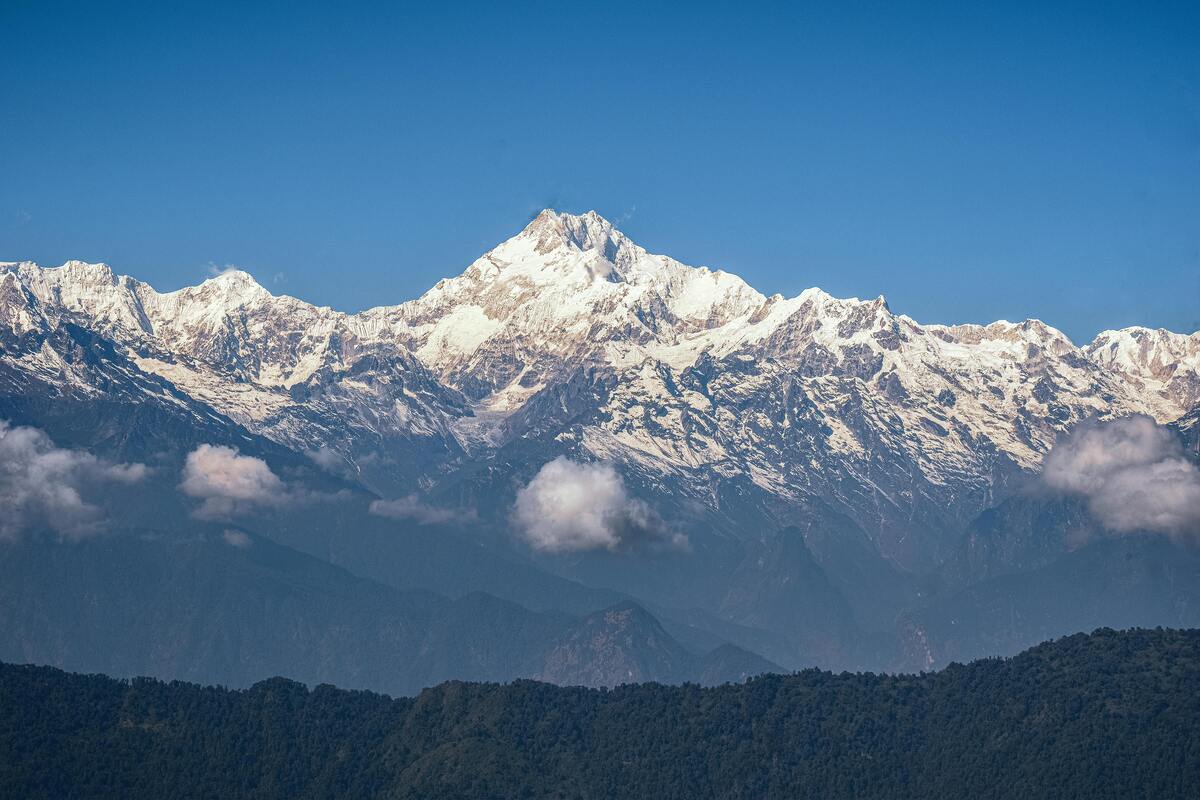
Why Himadri is the Highest Himalayan Range (Explained in a Simple Way)
Why is Himadri higher than other Himalayan ranges? Discover the simple reasons behind its height with an easy, beginner-friendly explanation.
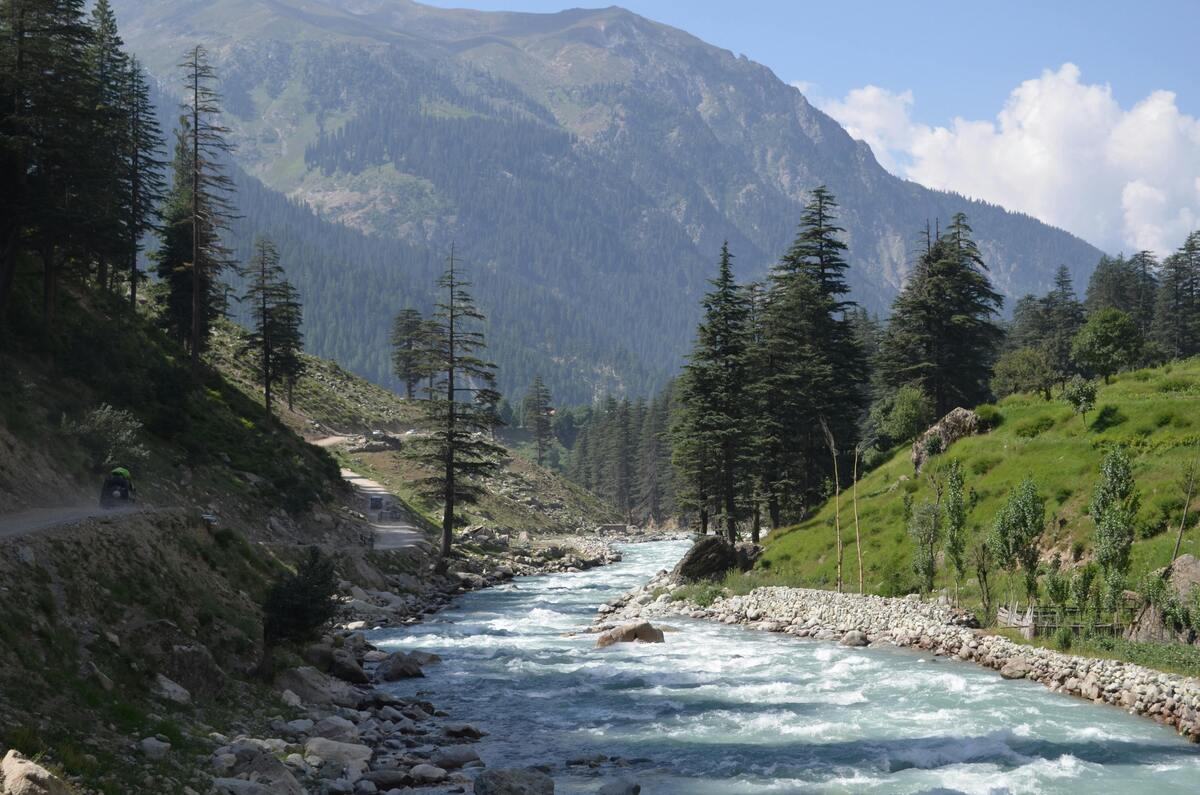
Climate Change Impact on Himalayan Rivers
Climate change is rapidly affecting Himalayan rivers like the Ganges, Brahmaputra, and Indus. Learn how glacier melting, changing rainfall, and floods threaten water security for nearly 2 billion people.
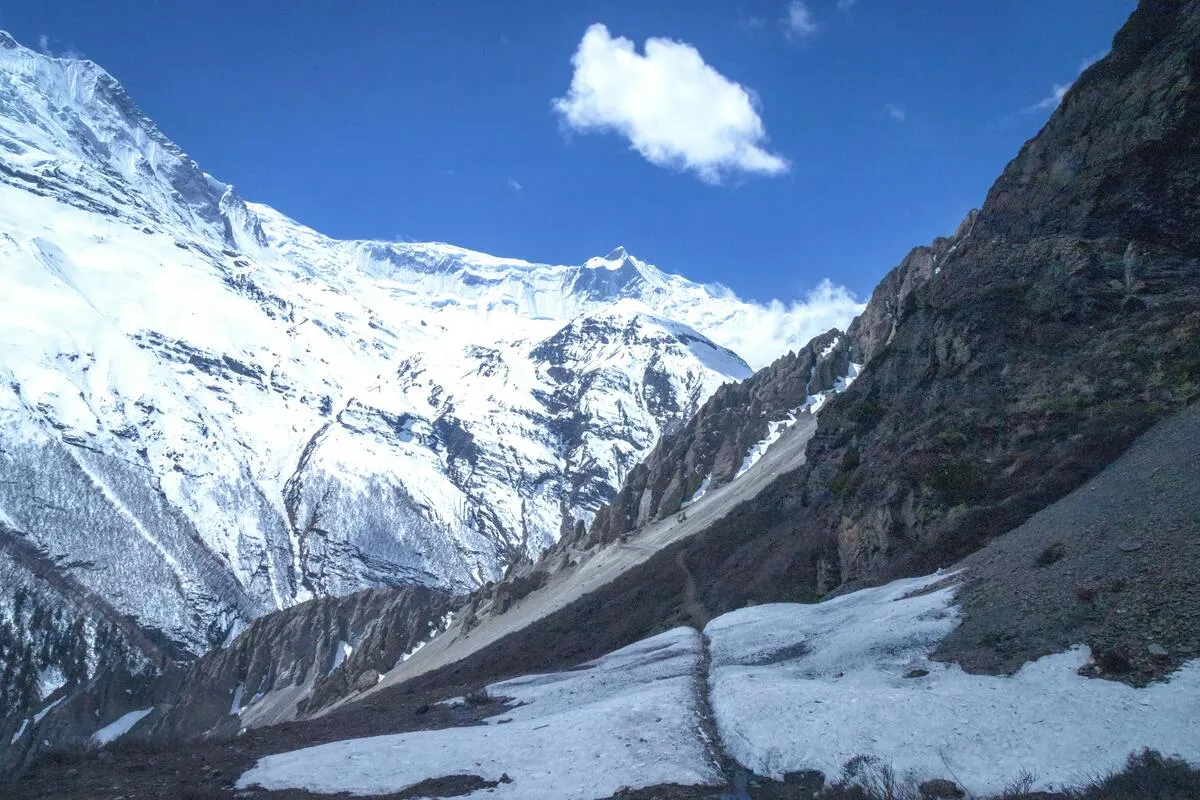
Why Himalayan Glaciers Are Melting Faster Than Ever — And Why the World Should Care
Himalayan glaciers are melting faster than ever. Discover the real causes, scientific warnings, and what glacier loss means for rivers, communities, and climate.