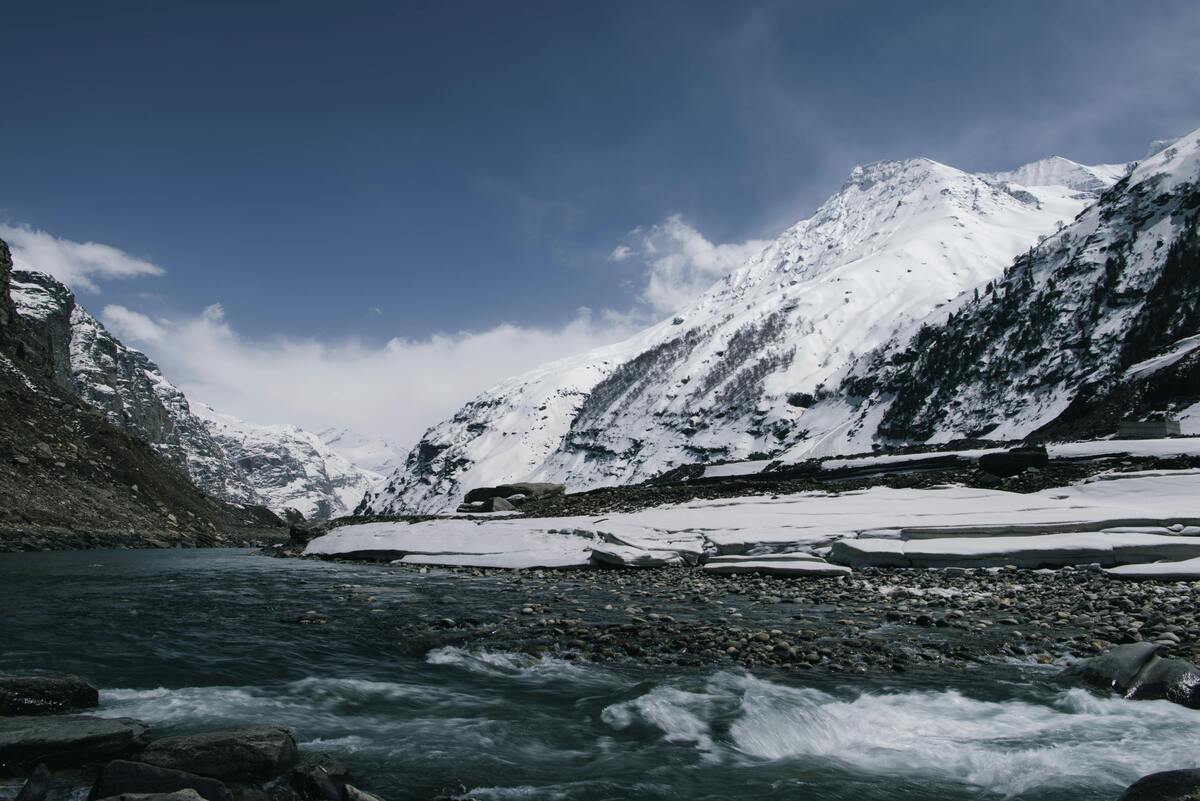
Are Himalayan Rivers Perennial? Origin, Glacier Sources & Climate Impact
What Is the Origin of Himalayan Rivers?
Himalayan rivers originate from glaciers, snowfields, and high-altitude springs in the Himalayan mountain range. Most of them are fed by melting snow and glaciers, along with monsoon rainfall.
During winter, snow accumulates at high elevations. Over time, layers of compressed snow form glaciers. In spring and summer, gradual melting releases water into river channels. This steady release keeps the rivers flowing.
Because they receive water from multiple natural sources, Himalayan rivers are perennial — meaning they flow throughout the year.
Major glacier-fed Himalayan rivers include the Ganga, Yamuna, Indus, and Brahmaputra.
Are Himalayan Rivers Perennial or Seasonal?
Himalayan rivers are perennial rivers.
They flow throughout the year because they are fed by:
- Glacial melt
- Seasonal snowfall
- Monsoon rainfall
This continuous water supply ensures steady flow even during dry months.
In contrast, most Peninsular rivers are seasonal, as they depend mainly on rainfall and may shrink significantly outside the monsoon season.
Introduction: Why Himalayan Rivers Matter Beyond Geography
While the scientific explanation is clear, the story of Himalayan rivers goes far beyond definitions.
High in the Himalayas, far above roads, towns, and farms, rivers begin quietly. They start as snowflakes, thin streams of meltwater slipping from beneath glaciers, or springs emerging from rocky slopes. From these small beginnings, some of Asia’s largest rivers are born.
These rivers are not just physical features on a map. They are lifelines. They shape landscapes, support ecosystems, feed farms, supply cities, and sustain millions of people across South Asia.
For centuries, they followed natural rhythms shaped by snow, glaciers, and monsoon rains.
These patterns are part of the broader Himalayan climate system that shapes weather across South Asia.
Today, those rhythms are changing.
Major River Systems Originating in the Himalayas
Several major river systems in South Asia originate in or near the Himalayan region:
- The Ganga – Fed by the Gangotri Glacier and numerous tributaries
- The Yamuna – Emerging from the Yamunotri Glacier
- The Indus – Originating near the Tibetan Plateau and flowing through the western Himalayas
- The Brahmaputra – Rising in Tibet and flowing through the eastern Himalayas
- The Sutlej, Chenab, Ravi, and Beas – Important tributaries supporting northern India and Pakistan
Together, these glacier-fed river systems support vast river basins across India, Nepal, Bhutan, Bangladesh, and Pakistan.
Why Are Himalayan Rivers Important?
1. Drinking Water for Millions
Himalayan rivers provide drinking water to hundreds of millions of people. From mountain villages to large cities, daily life depends on these flows.
Even communities far from the mountains rely on water that began as snow or ice in the Himalayas.
2. Backbone of Agriculture
Large parts of northern India and neighboring regions depend on irrigation from Himalayan rivers. Crops such as rice, wheat, and sugarcane rely on predictable water availability.
If river flow becomes irregular, farming cycles are disrupted, and food security is affected.
3. Ecosystems and Biodiversity
These rivers sustain wetlands, floodplains, forests, and aquatic life. Fish species, migratory birds, and riparian vegetation depend on stable flow patterns.
Seasonal flooding, when gradual and natural, enriches soil and maintains ecological balance.
4. Cultural and Spiritual Significance
Himalayan rivers are deeply woven into cultural life. Rivers such as the Ganga and Yamuna are revered in spiritual traditions. Pilgrimage towns, festivals, and rituals reflect a long-standing connection between people and flowing water.
This cultural respect often carries ecological wisdom — reminding communities that rivers are living systems, not just water resources.
How Climate Change Is Affecting Himalayan Rivers
Shrinking Glaciers
Rising temperatures are causing many Himalayan glaciers to retreat. In the short term, faster melting can increase river flow and raise flood risk.
In the long term, however, reduced glacier mass means less stored water for dry seasons.
This creates a dangerous pattern: excess water now, scarcity later.
To understand the full picture, read our detailed guide on why Himalayan glaciers are melting faster than ever and why the world should care
Changing Snowfall Patterns
Many Himalayan regions are receiving less snowfall and more winter rain. Unlike snow, rain runs off quickly and does not provide long-term water storage.
As snowfall decreases:
- Rivers rely more heavily on monsoon rainfall
- Dry-season flows weaken
- Springs dry earlier in mountain communities
We explain this shift in detail in our article on why the Himalayas are getting less snow than before and why it matters.
Increasing Extreme Events
Many Himalayan rivers now show:
- Sudden surges after intense rainfall
- Longer low-flow periods
- Increased sediment and erosion
These unstable patterns strain infrastructure, agriculture, and ecosystems.
Events like land subsidence in mountain towns show how fragile the region has become — as seen in the case of Joshimath.
“Why Is Joshimath Sinking — And Could It Happen Again Elsewhere?”
Human Pressures on Himalayan Rivers
Climate change is not the only factor.
Hydropower and Dams
Hydropower projects alter natural river flow. Multiple dams on the same river can:
- Disrupt ecosystems
- Block fish migration
- Increase landslide risks
- Reduce sediment flow downstream
Pollution and Urbanisation
Growing tourism and urban expansion increase:
- Plastic waste
- Untreated sewage
- Agricultural runoff
Pollution entering upstream mountain rivers travels far downstream.
Deforestation and Construction
When forests are cleared for roads and development:
- Rainwater runs off faster
- Soil erosion increases
- Sediment loads rise
- Flood risk grows
Large infrastructure projects in the Himalayas, including major highway expansions, have intensified these risks.
Forests play a key role in regulating water flow.
What Does the Future Hold?
Himalayan rivers are unlikely to disappear entirely. The real concern is uncertainty.
Future river flows may become:
- More erratic
- Less predictable
- More extreme
Communities that once depended on stable seasonal patterns may face increasing variability.
Because many Himalayan rivers cross national borders, cooperation between countries will be essential to prevent conflict over water resources.
Why Awareness and Conservation Matter
The story of Himalayan rivers is not just about glaciers or dams. It is about interconnected systems.
When glaciers shrink, forests disappear, or climate patterns shift, rivers carry those changes downstream.
Protecting Himalayan rivers means:
- Protecting glaciers and snowfields
- Conserving forests
- Managing development responsibly
- Improving waste management
- Supporting local water conservation
Water security, food systems, and ecological stability are all linked to the health of the Himalayas.
Conclusion
Himalayan rivers begin quietly in snow and ice, but their impact stretches across nations.
They are perennial lifelines shaped by glaciers, snowfall, and monsoon rains. They sustain ecosystems, agriculture, cities, and cultures across South Asia.
Today, climate change and human pressures are reshaping how these rivers flow. The challenge is not only scientific — it is social and political.
Protecting Himalayan rivers means protecting the mountains, communities, and systems that depend on them.
The future of millions flows with these rivers.
Frequently Asked Questions (FAQs)
1. What is the origin of Himalayan rivers?
Himalayan rivers originate from glaciers, snowfields, and high-altitude springs in the Himalayan mountain range. They are primarily glacier-fed river systems, supported by seasonal snowfall and monsoon rainfall.
2. Are Himalayan rivers perennial or seasonal?
Himalayan rivers are perennial. They flow throughout the year because they receive water from glacial melt, snowfall, and rainfall. This multi-source feeding system ensures continuous water flow even during dry seasons.
3. Why are Himalayan rivers important?
Himalayan rivers provide drinking water, support agriculture, generate hydropower, sustain ecosystems, and hold cultural and spiritual significance. They support hundreds of millions of people across South Asia.
4. Which are the major Himalayan rivers?
Major Himalayan rivers include the Ganga, Yamuna, Indus, Brahmaputra, Sutlej, Chenab, Ravi, and Beas. These rivers form extensive basins across multiple countries.
5. How is climate change affecting Himalayan rivers?
Climate change is causing glacier retreat, reduced snowfall, and more extreme rainfall events. This leads to unstable river flows, increased flood risks, and potential long-term water shortages during dry seasons.
6. What could happen if Himalayan river flows reduce significantly?
If flows decline or become highly irregular, regions dependent on these rivers may face water shortages, reduced agricultural productivity, ecosystem stress, and increased tensions over water sharing.
Related Articles
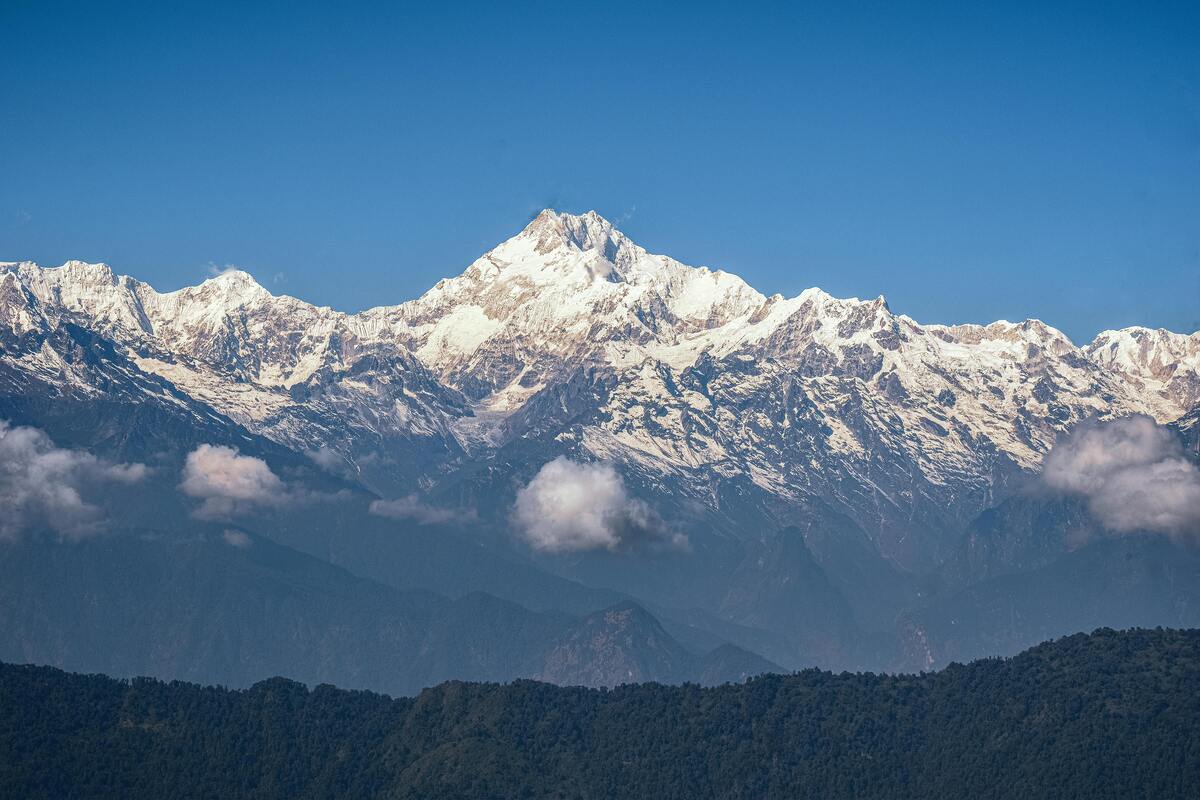
Why Himadri is the Highest Himalayan Range (Explained in a Simple Way)
Why is Himadri higher than other Himalayan ranges? Discover the simple reasons behind its height with an easy, beginner-friendly explanation.
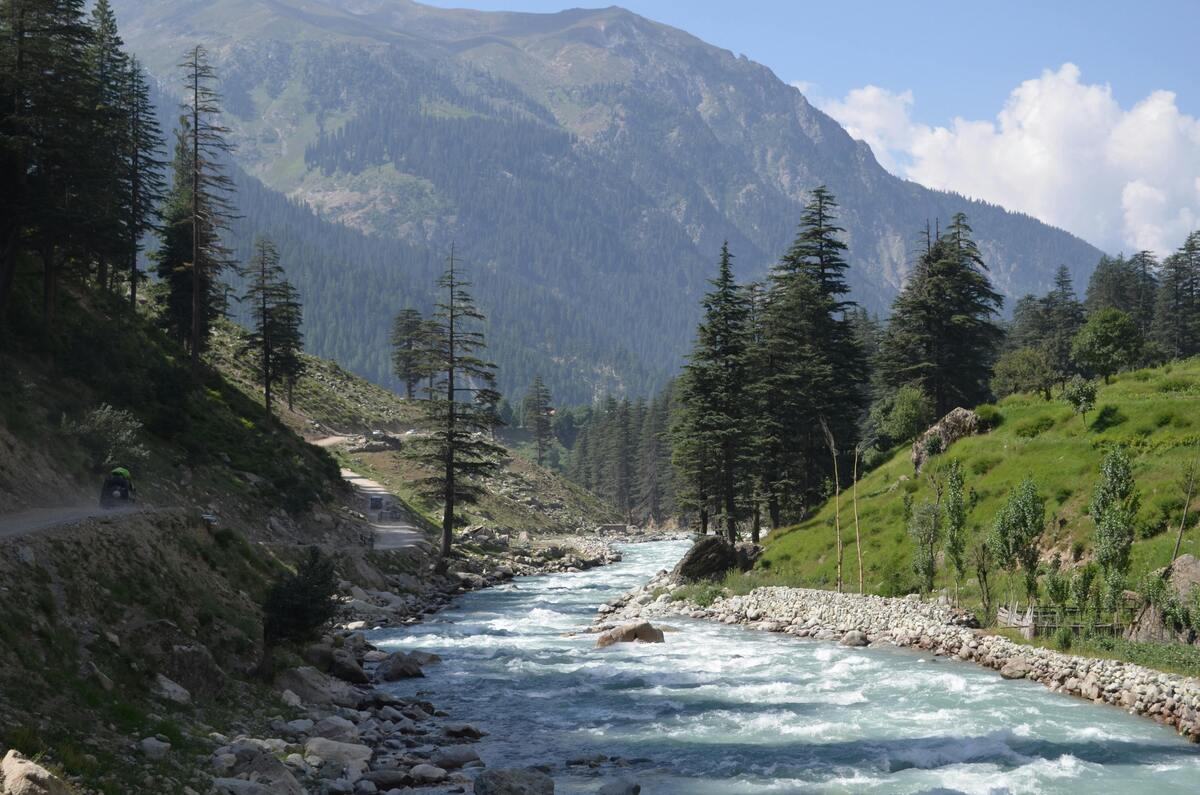
Climate Change Impact on Himalayan Rivers
Climate change is rapidly affecting Himalayan rivers like the Ganges, Brahmaputra, and Indus. Learn how glacier melting, changing rainfall, and floods threaten water security for nearly 2 billion people.
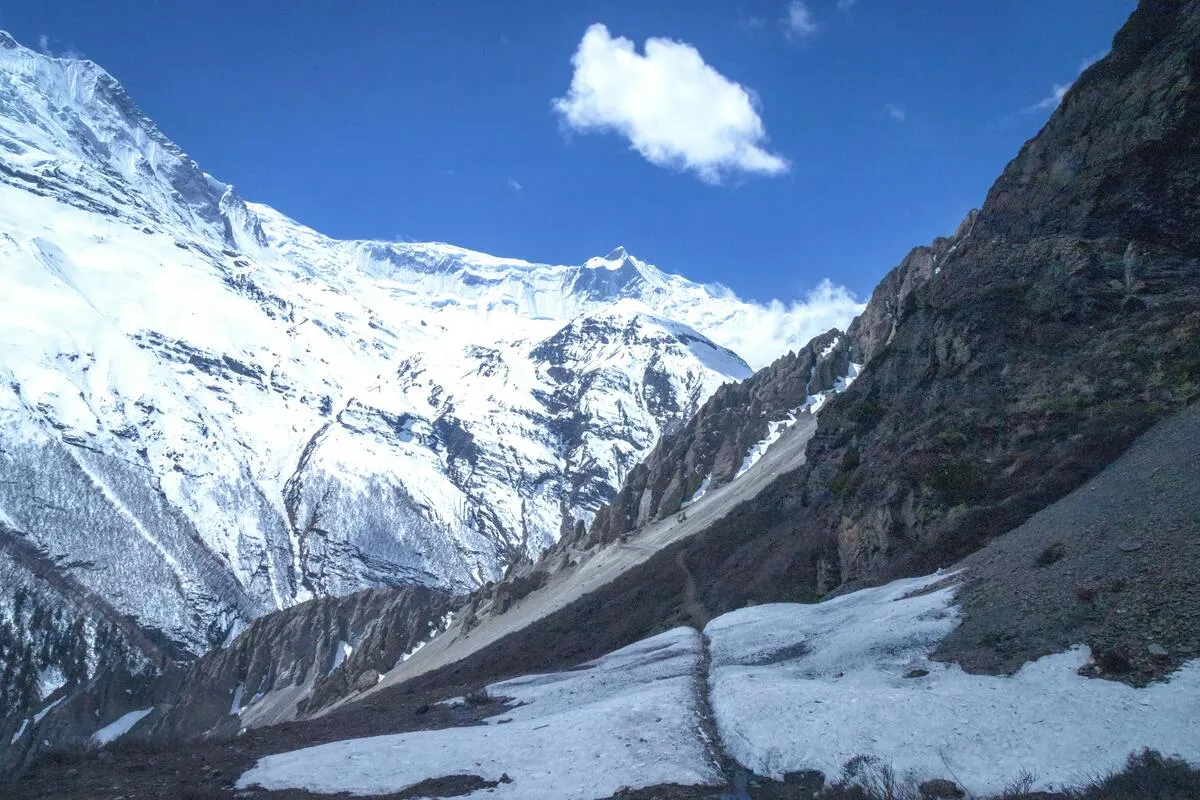
Why Himalayan Glaciers Are Melting Faster Than Ever — And Why the World Should Care
Himalayan glaciers are melting faster than ever. Discover the real causes, scientific warnings, and what glacier loss means for rivers, communities, and climate.