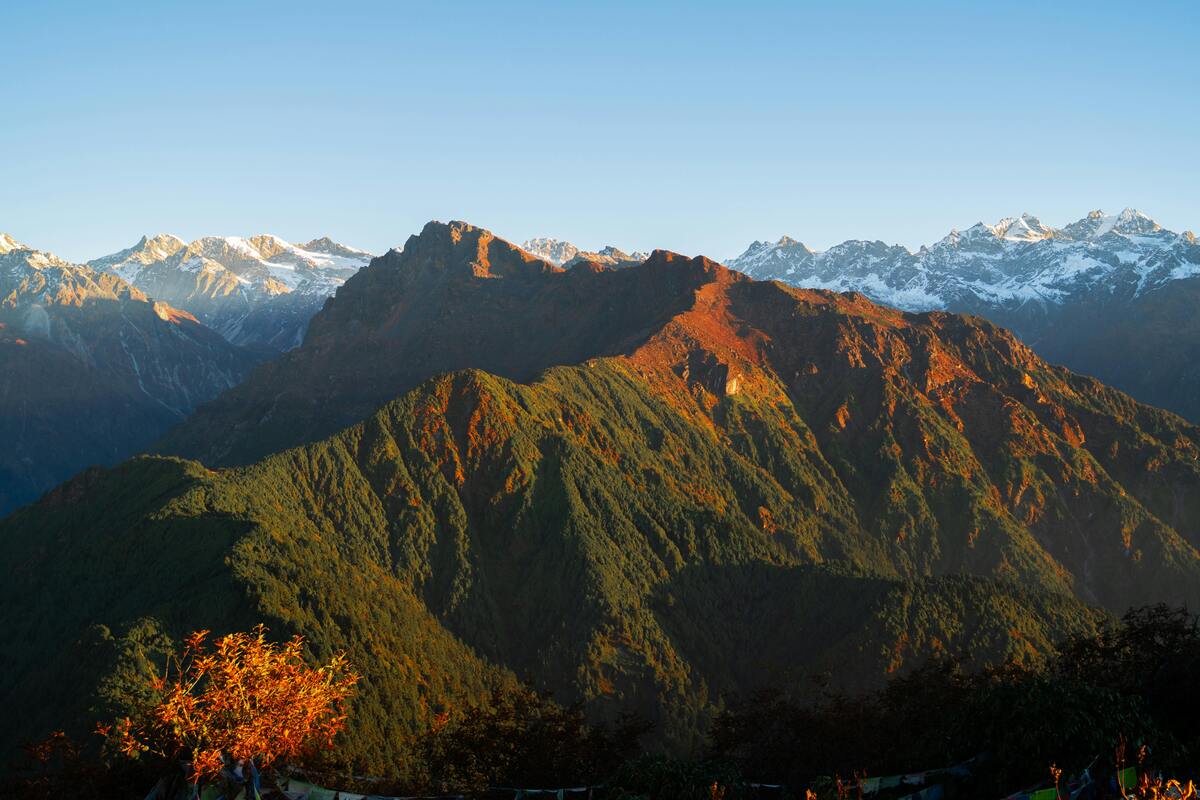
Why the Himalayas Need Protection — And How They Protect Us Too
Introduction
The Himalayas are more than just a mountain range; they are a lifeline for millions of people, home to unique wildlife, and a sanctuary of rich culture and traditions. Spanning across India, Nepal, Bhutan, and Tibet, these towering peaks are among the most ecologically fragile regions in the world. But why exactly do the Himalayas need protection, and what can travelers and locals do to ensure their preservation? In this article, we’ll explore the environmental, cultural, and social importance of the Himalayas, along with practical steps for sustainable travel as part of our Sustainable Himalayas initiative.
1. The Fragile Environment of the Himalayas
The Himalayan region is one of the youngest mountain ranges on Earth, making it geologically unstable and highly sensitive to human activities. Rapid urbanization, deforestation, and unsustainable tourism have caused landslides, soil erosion, and habitat loss.
Key factors contributing to fragility:
- Glacial Retreat: Himalayan glaciers are shrinking at an alarming rate due to climate change, affecting freshwater supply for rivers like the Ganges, Yamuna, and Brahmaputra.
- Forest Degradation: Overgrazing, logging, and fuelwood collection reduce tree cover, impacting soil stability and biodiversity.
- Pollution: Plastic waste and untreated sewage in tourist-heavy areas pollute rivers and soils, harming ecosystems.
Protecting these natural systems is critical not only for local communities but also for millions downstream who rely on Himalayan rivers for water and agriculture.
2. Biodiversity and Wildlife Conservation
The Himalayas are home to some of the rarest species on the planet. From the elusive snow leopard to the red panda and Himalayan monal, the region hosts unique wildlife adapted to extreme climates.
However, human encroachment, poaching, and climate change threaten their survival. Forest fragmentation and increasing road networks disrupt animal migration routes, making protection efforts essential.
Why biodiversity matters:
- Ecosystem balance: Predators like snow leopards help control populations of herbivores, maintaining forest health.
- Medicinal plants: The Himalayas are rich in plants used in traditional medicine, supporting local healthcare and herbal industries.
- Tourism and economy: Wildlife attracts eco-conscious travelers, providing income for local communities and conservation programs.
Protecting wildlife requires collaboration between governments, NGOs, and travelers to follow ethical trekking, avoid disturbing habitats, and reduce plastic and noise pollution.
3. Local Communities and Cultural Preservation
The Himalayas are not just mountains; they are homes. Indigenous communities have lived here for centuries, developing traditions, festivals, and livelihoods closely tied to nature — a relationship explored in our guide to Himalayan Life & Culture.
How the Himalayas affect communities:
- Livelihoods: Agriculture, animal husbandry, and handicrafts depend on natural resources. Unsustainable tourism can disrupt these traditional practices.
- Culture and traditions: Sacred forests, monasteries, and pilgrimage sites are culturally significant. Pollution or commercialization threatens these sacred spaces.
- Climate vulnerability: Glacial melting and erratic weather impact farming cycles, making communities increasingly vulnerable.
By protecting the environment, we also help preserve the identity, traditions, and economy of Himalayan communities. Supporting local homestays, buying handicrafts, and respecting cultural norms all contribute to sustainable development.
4. Climate Change and Its Impact
The Himalayas play a crucial role in regulating the climate of the Indian subcontinent — a process explained in detail in our article on Himalayan Climate patterns and monsoon systems. Glaciers act as natural reservoirs, feeding rivers that support agriculture and cities. But climate change is accelerating glacial melting, increasing the risk of floods, landslides, and water shortages.To understand how mountain barriers influence rainfall and temperature across the region, read our analysis on how the Himalayas shape climate across South Asia.
Consequences include:
- Reduced freshwater availability for millions in India, Nepal, and Bangladesh.
- Loss of arable land due to soil erosion.
- Disruption of ecosystems, threatening both flora and fauna.
Protecting the Himalayas is not just about the mountains themselves — it’s about the survival of millions of people and the health of South Asia’s environment.
5. Responsible Tourism: How Travelers Can Help
Tourists are often part of the problem, but they can also be part of the solution. Here’s how travelers can contribute to Himalayan protection:
- Travel Mindfully: Stick to marked trails, avoid disturbing wildlife, and follow local rules.
- Avoid Single-Use Plastics: Carry reusable water bottles, bags, and utensils.
- Support Local Businesses: Choose homestays, local guides, and locally-made products over big hotels and imported goods.
- Leave No Trace: Carry back all waste, and participate in local clean-up drives when possible.
- Educate Yourself: Learn about local culture, environment, and endangered species before your trip.
By adopting these practices, travelers help reduce environmental impact and support the preservation of the region.
6. Government and NGO Initiatives
Several programs focus on protecting the Himalayas:
- National Parks and Wildlife Sanctuaries: Protected areas like Jim Corbett National Park, Valley of Flowers, and Kanchenjunga Biosphere Reserve conserve habitats.
- Community-based conservation: NGOs work with villages to implement sustainable agriculture, eco-tourism, and anti-poaching measures.
- Climate action programs: Projects aimed at reforestation, glacial monitoring, and renewable energy reduce environmental pressure.
Supporting these initiatives — through donations, volunteering, or responsible travel — amplifies their impact.
7. Everyday Actions to Contribute
Even if you can’t travel to the Himalayas, you can help protect them:
- Reduce carbon footprint by using public transport, biking, or walking.
- Avoid purchasing illegal wildlife products or souvenirs.
- Support eco-friendly brands and Himalayan NGOs.
- Spread awareness about Himalayan conservation through social media, blogs, or community talks.
Small actions, multiplied across thousands of people, make a significant difference.
8. Why Protecting the Himalayas Matters Globally
The Himalayas are often called the “Third Pole” because they store more ice than anywhere outside the Arctic and Antarctic. Their protection is vital for:
- Global climate stability: Glacial melt affects weather patterns across Asia.
- Biodiversity preservation: Rare species unique to the region cannot survive elsewhere.
- Cultural heritage: The Himalayas preserve traditions and knowledge that have been passed down for centuries.
- Water security: Major rivers originating here feed millions of people downstream.
The Himalayas are interconnected with human survival, climate stability, and global ecological health — protecting them is a shared responsibility.
Conclusion
The Himalayas are a treasure trove of natural beauty, wildlife, and culture. Their fragile ecosystems, rare species, and indigenous communities make them unique — and highly vulnerable. Protecting the Himalayas is not just an environmental issue; it’s a humanitarian, cultural, and ethical responsibility.
By traveling mindfully, supporting local communities, reducing plastic waste, and respecting nature, each one of us can contribute to safeguarding this majestic region. The Himalayas have given us breathtaking landscapes, spiritual solace, and a home for countless species — now it’s our turn to protect them for future generations.
Call to Action: Plan your next Himalayan trip responsibly. Support eco-tourism, respect local traditions, and be a guardian of these mountains, not just a visitor.
Related Articles
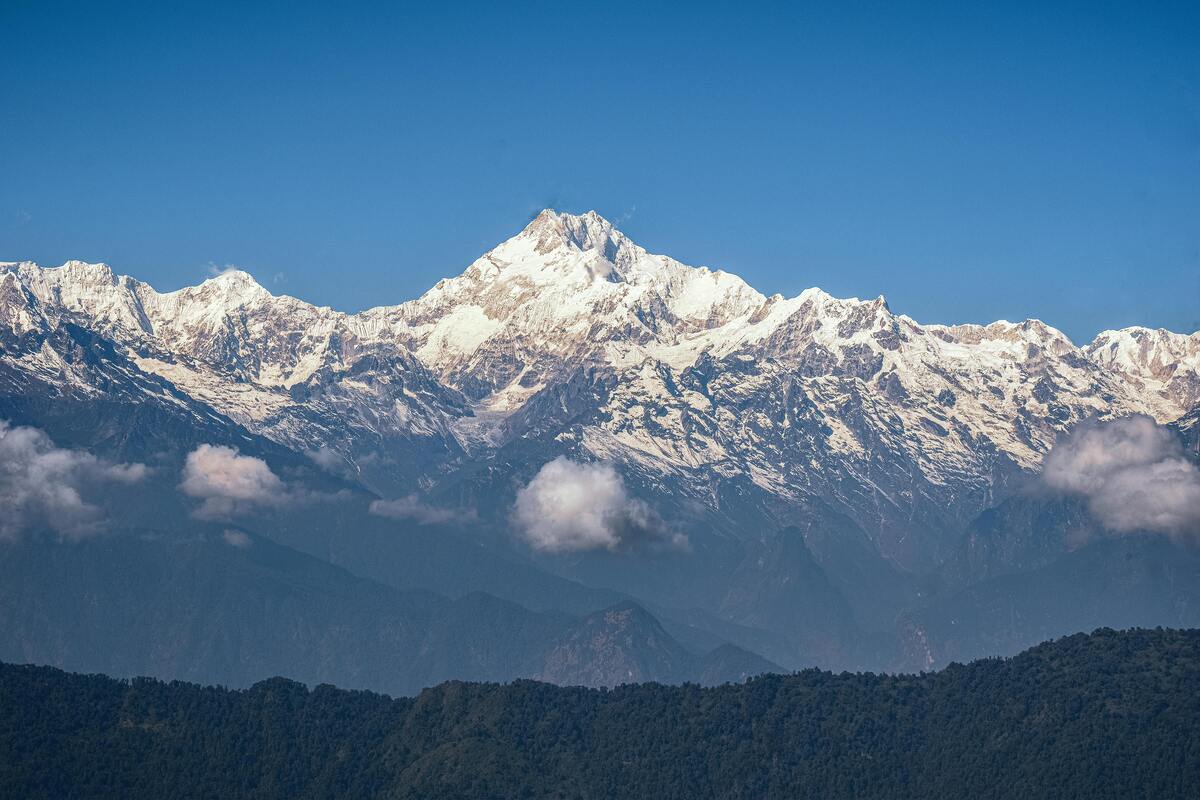
Why Himadri is the Highest Himalayan Range (Explained in a Simple Way)
Why is Himadri higher than other Himalayan ranges? Discover the simple reasons behind its height with an easy, beginner-friendly explanation.
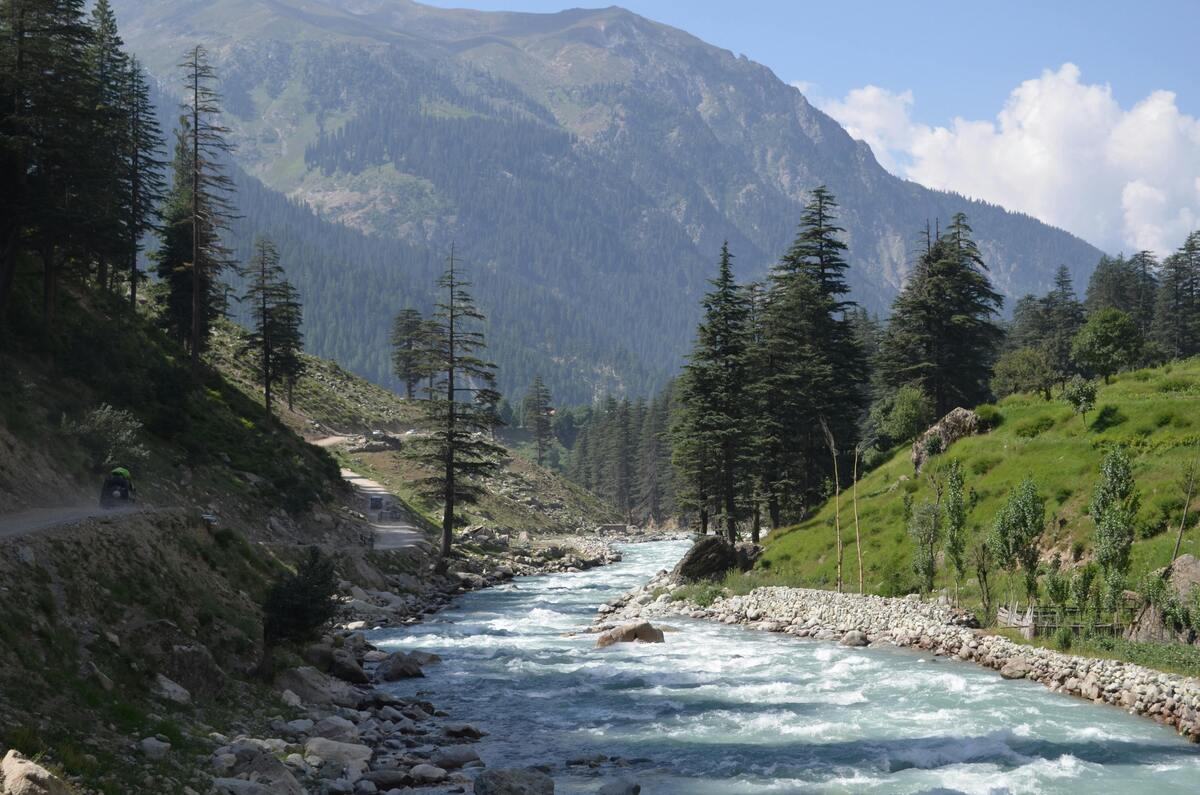
Climate Change Impact on Himalayan Rivers
Climate change is rapidly affecting Himalayan rivers like the Ganges, Brahmaputra, and Indus. Learn how glacier melting, changing rainfall, and floods threaten water security for nearly 2 billion people.
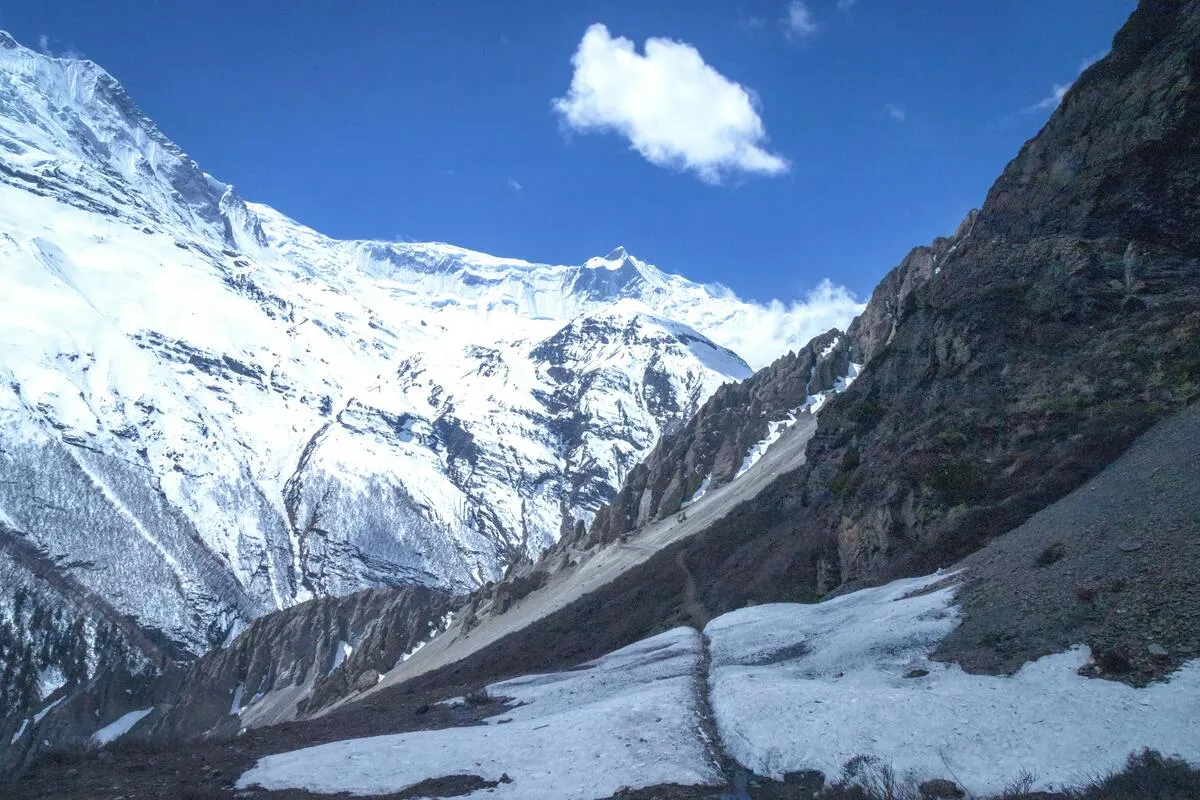
Why Himalayan Glaciers Are Melting Faster Than Ever — And Why the World Should Care
Himalayan glaciers are melting faster than ever. Discover the real causes, scientific warnings, and what glacier loss means for rivers, communities, and climate.