Why Is It Getting Hotter in the Himalayas? What’s Really Happening in the Mountains
Introduction
If you ask people who grew up in the Himalayas, many will tell you the same thing:
“Winters used to feel colder.”
Snow would stay longer. Mornings were sharper. Even summer evenings had that cool mountain air.
But something feels different now.
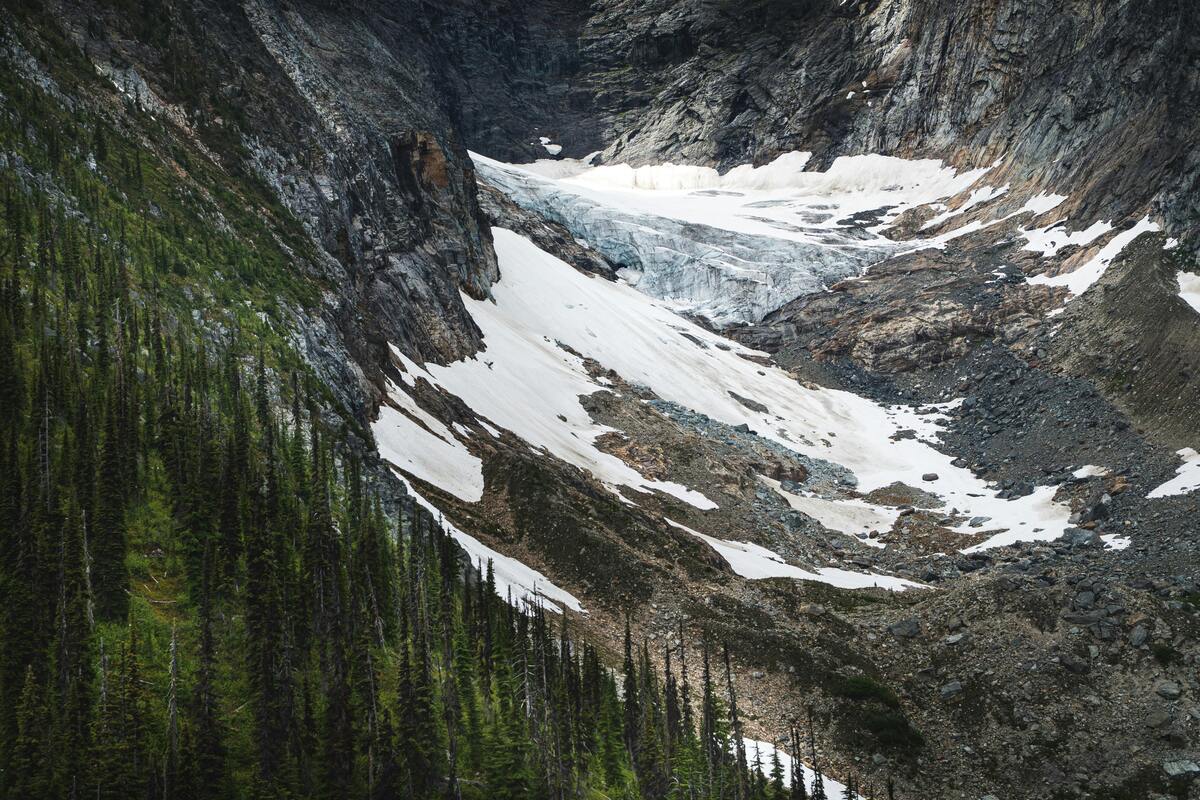
In many parts of the Himalayan region, temperatures are rising. Snowfall is becoming less predictable. Glaciers are shrinking. And the mountains that once felt permanently cold are slowly warming.
So why is it getting hotter in the Himalayas?
Is this just natural weather change — or something bigger?
Let’s break it down in simple, real terms.
The Himalayas Are Warming — And It’s Noticeable
The Himalayas have always been known for cold winds, heavy snowfall, and icy peaks. They act like a giant natural wall across northern India and shape the climate of the entire region.
But over the past few decades, temperatures in the Himalayan region have been rising steadily. Summers feel longer. Winters feel shorter. Snowfall is less reliable.
And this isn’t just something scientists are saying. Local farmers, trekkers, shopkeepers, and temple priests are noticing it too.
When people search for things like “why is it hotter in the Himalayas” or “less snowfall in Uttarakhand”, it’s because they’re seeing the change with their own eyes.
Snow Is Not Staying the Way It Used To
One of the biggest reasons the Himalayas are feeling hotter is simple:
There is less snow — and the snow that falls melts faster.
Snow works like a natural mirror. It reflects sunlight back into the sky. This helps keep mountain temperatures lower.
But when there is less snowfall, dark rocks and soil are exposed. These surfaces absorb heat instead of reflecting it. That makes the region warm up faster.
It becomes a cycle:
- Less snow
- More heat absorbed
- Faster melting
- Even less snow next season
Many Himalayan towns that once had predictable snowfall now experience irregular patterns. Some winters feel dry. Some snowfalls melt within days.
This change is directly linked to rising temperatures in the Himalayan region.
Climate Change Is Reaching Even the Highest Peaks
For a long time, people believed the Himalayas were too massive, too powerful to be affected quickly.
But mountain regions are actually very sensitive to climate change.
When global temperatures rise, high-altitude areas often warm faster than plains. Even a small temperature increase can make a big difference in icy regions.
Glaciers across the Himalayas are slowly shrinking. Ice that took hundreds of years to form is melting at a faster pace.
At first, this creates more water in rivers. But over time, it creates a bigger problem — reduced glacier mass means less long-term water supply.
That’s why rising temperatures in the Himalayas are not just a mountain issue. They affect millions of people downstream.
Summers Feel Different Now
Talk to anyone from Uttarakhand or Himachal Pradesh, and you’ll hear similar stories.
Summer heat feels stronger. Days feel longer. Some hill stations that once felt like cool escapes now experience uncomfortable warmth during peak months.
It’s not that the Himalayas have turned into plains. But the difference is noticeable.
Earlier:
- Even in May and June, evenings were cold.
- Snow remained visible on nearby peaks for longer.
- Forests felt moist and cool.
Now:
- Heat lasts longer into the evening.
- Snowlines appear higher.
- Forest dryness increases during summer.
This gradual warming is why more people are searching about Himalayan climate change and rising mountain temperatures.
Monsoon Patterns Are Changing Too
The Himalayas depend heavily on snowfall in winter and rainfall during the monsoon.
But weather patterns are becoming unpredictable.
Some areas receive intense rainfall in a short period. Others experience dry spells. Sudden heavy rains can trigger landslides and flash floods.
When temperatures rise, the atmosphere holds more moisture. This can lead to extreme weather events instead of balanced seasonal rainfall.
The result?
More unpredictability. More stress on mountain ecosystems.
Forest Fires Are Increasing
Warmer temperatures and longer dry seasons create another issue — forest fires.
In recent years, several parts of the Himalayan region have seen an increase in forest fire incidents during dry months.
When forests burn:
Wildlife habitats are destroyed
Soil quality declines
Carbon stored in trees is released
And after a fire, land absorbs more heat, adding to the warming effect.
If you're interested in understanding how rising heat impacts ecosystems, you can also read our detailed guide on how climate change affects Indian forests.
This is another reason why it feels hotter in the Himalayas compared to earlier decades.
What This Means for Glaciers and Rivers
The Himalayas are often called the “water tower” of Asia.
Major rivers like the Ganga, Brahmaputra, and Indus begin in these mountains. Millions of people depend on this water for drinking, farming, and daily life.
If glaciers melt too quickly:
- There may be temporary flooding
- Glacial lakes may grow unstable
- Long-term water availability may decline
So when we talk about the Himalayas getting hotter, we are really talking about future water security.
It’s connected to everything.
Local Communities Are Feeling the Shift
Climate change in the Himalayas is not just about ice and temperature charts.
It affects real lives.
Farmers notice changes in crop patterns. Apple cultivation areas are slowly shifting to higher altitudes. Traditional planting cycles are becoming uncertain.
Tourism seasons are shifting too. Snow-based tourism is unpredictable. Trekking routes experience different weather conditions than before.
Mountain communities adapt quietly. But the changes are real.
Why Mountain Warming Feels Faster
There’s something called “elevation-dependent warming.” You don’t need to remember the term — just understand the idea.
Higher regions often experience faster warming than lower regions.
So even if global temperature increases by 1 degree, the Himalayas might feel a slightly higher impact.
That’s why people feel surprised.
“We thought mountains would stay cold.”
But climate change does not stop at altitude.
Is It All Because of Climate Change?
Climate change is the biggest factor. According to reports by the Intergovernmental Panel on Climate Change (IPCC), mountain regions are warming faster than the global average. But there are local pressures too.
- Deforestation
- Unplanned construction
- Road expansion
- Plastic waste
- Increasing traffic
When forests are reduced and land use changes, natural cooling systems weaken.
Mountains are fragile ecosystems. Small disturbances can have larger effects compared to plains.
So yes, global warming is a major cause — but local actions matter too.
Should We Be Worried?
Concerned? Yes.
Hopeless? No.
The Himalayas are strong. But they are not invincible.
The warming we are seeing is gradual but steady. It doesn’t happen overnight. That’s why it’s easy to ignore.
But over 10, 20, 30 years, the difference becomes clear.
Less snow.
Warmer valleys.
Unpredictable weather.
These are signals.
What Can Travelers and Locals Do?
If you love the Himalayas, the first step is awareness.
Responsible travel matters.
- Reduce plastic use in mountain regions
- Support local businesses instead of large chains
- Avoid littering trekking routes
- Respect forest areas
- Travel mindfully
Small actions don’t fix global climate change — but they reduce local pressure.
And mountains need less pressure right now.
The Bigger Picture
The Himalayas have shaped India’s climate for centuries. They block cold winds from Central Asia. They influence monsoon patterns. They protect biodiversity.
Now they are experiencing their own shift.
When people search “why are the Himalayas getting hotter,” they are sensing something deeper.
The mountains feel different.
And they’re right.
Final Thoughts
The Himalayas are not suddenly burning. They are not collapsing tomorrow.
But they are warming.
Slowly. Quietly. Noticeably.
Snowfall patterns are changing. Glaciers are shrinking. Summers are warmer. Forest fires are more common.
This isn’t just a scientific issue. It’s a lived experience.
If you’ve stood in a Himalayan valley and felt unexpected warmth in winter, you’ve already noticed the change.
The mountains are telling us something.
The question is — are we listening?
Common Questions About Rising Temperatures in the Himalayas
Why does it feel hotter in the Himalayas than before?
Many people who live in or visit the mountains say summers feel longer and winters feel shorter. Snow doesn’t stay as long as it used to. This is mainly because temperatures in high-altitude regions are slowly rising, and even small changes can feel noticeable in cold places.
Is snowfall actually decreasing in the Himalayan region?
In some areas, yes. Snowfall patterns have become less predictable. Some winters bring less snow, while in other cases the snow melts much earlier. That makes the mountains look and feel warmer overall.
Are the Himalayas warming faster than other places?
Mountain regions often warm faster than lowlands. Because snow and ice reflect sunlight, losing them causes the land to absorb more heat. This makes temperature changes more noticeable in the Himalayas.
Does this mean the glaciers will disappear soon?
Not immediately. The Himalayas are massive and still hold huge glaciers. But many of them are slowly shrinking. If temperatures continue to rise for many decades, glacier size could reduce significantly.
How does this affect people living outside the mountains?
The Himalayas feed major rivers that millions depend on. Changes in snow and glacier melt can affect water flow, farming, and even weather patterns in nearby regions.
Related Articles
Why Himadri is the Highest Himalayan Range (Explained in a Simple Way)
Why is Himadri higher than other Himalayan ranges? Discover the simple reasons behind its height with an easy, beginner-friendly explanation.
Climate Change Impact on Himalayan Rivers
Climate change is rapidly affecting Himalayan rivers like the Ganges, Brahmaputra, and Indus. Learn how glacier melting, changing rainfall, and floods threaten water security for nearly 2 billion people.
Why Himalayan Glaciers Are Melting Faster Than Ever — And Why the World Should Care
Himalayan glaciers are melting faster than ever. Discover the real causes, scientific warnings, and what glacier loss means for rivers, communities, and climate.