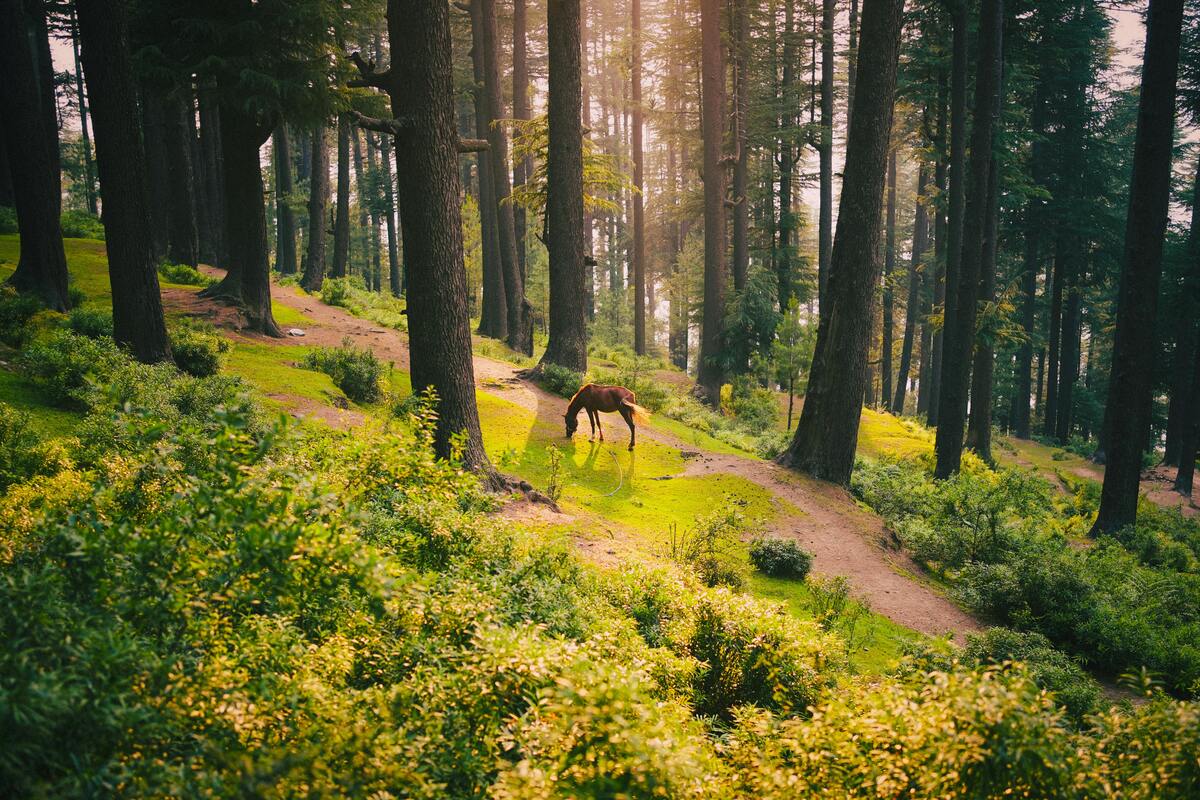
How Climate Change Is Affecting Indian Forests: What’s Changing on the Ground
Introduction
Indian forests have always felt timeless.
Walk into one, and the temperature drops. The air smells earthy. There’s a quiet rhythm — birds calling, leaves shifting, distant streams flowing.
But over the past decade, something has changed.
Summers feel longer. Forest fires seem more frequent. Rainfall patterns don’t behave the way they used to. And in many parts of the country, forests are quietly adjusting to rising temperatures.
Climate change is no longer just a global headline. It’s visible inside Indian forests.
So what exactly is happening?
Let’s break it down in simple, real terms — without complicated climate jargon.
Rising Temperatures Are Putting Forests Under Stress
Indian forests evolved under certain temperature conditions. Trees adapt slowly — over decades, even centuries.
But now, average temperatures are rising faster than natural ecosystems can comfortably handle.
When temperatures rise:
- Soil dries out quicker
- Water evaporates faster
- Young saplings struggle to survive
- Leaf loss increases during peak heat
In states like Madhya Pradesh, Chhattisgarh, Uttarakhand, and parts of Maharashtra, longer heatwaves are becoming more common.
Even a small increase of 1–2°C over time can shift forest health. Trees that once thrived may begin to show signs of stress. Growth slows. Some species struggle more than others.
And forests don’t react instantly — they decline gradually.
That’s what makes it harder to notice at first.
Unpredictable Monsoon Is Disturbing Natural Cycles
Indian forests depend heavily on the monsoon.
But rainfall patterns are no longer as predictable as they once were.
Now we’re seeing:
- Intense rainfall in short bursts
- Longer dry spells between showers
- Delayed or early monsoon arrival
Forests rely on timing. Seeds sprout based on seasonal moisture. Wildlife depends on flowering cycles. Streams recharge during steady rainfall.
When rain falls too heavily in a short period, it causes soil erosion.
When rainfall is delayed, plant growth weakens.
According to the India Meteorological Department (IMD), changes in rainfall patterns and rising temperatures are being recorded across multiple regions of India. You can read their official climate updates here:
This shift directly affects forest ecosystems across the country.
Forest Fires Are Becoming More Frequent
One of the most visible signs of climate stress in Indian forests is the rise in forest fires.
Hotter temperatures combined with dry vegetation create the perfect environment for fires to spread quickly.
States like:
- Uttarakhand
- Himachal Pradesh
- Odisha
- Parts of Central India
have reported repeated fire incidents in recent years.
When forests burn:
- Wildlife loses shelter
- Stored carbon is released into the atmosphere
- Soil nutrients decline
- Regrowth becomes slower
Repeated fires weaken forest resilience.
And once a forest area burns multiple times, it becomes more vulnerable to future heat.
If you’re reading our article on why the Himalayas are getting hotter, you’ll see how rising temperatures and forest fires are closely connected.
Wildlife Is Struggling to Keep Up
Forests are not just clusters of trees. They are living networks.
Birds migrate based on seasonal signals. Animals breed during specific temperature windows. Insects pollinate flowers at particular times of year.
But climate change is disturbing that timing.
For example:
- Flowering may happen earlier due to warmer weather
- Pollinators may not adjust at the same speed
- Water holes may dry earlier in summer
When one part of the ecosystem shifts but another doesn’t, imbalance begins.
Over time, this affects biodiversity.
India is one of the most biodiverse countries in the world. Even small disruptions can create long-term ripple effects.
Different Forest Regions Face Different Risks
India’s forests are diverse — and climate change impacts them differently.
Himalayan Forests
These forests are sensitive to warming and reduced snowfall. As temperatures rise, tree lines shift upward. Species that prefer cooler climates may lose habitat.
Central Indian Deciduous Forests
These forests are already prone to dry seasons. Longer heatwaves increase drought risk and fire vulnerability.
Western Ghats Rainforests
Erratic rainfall and humidity changes affect plant diversity and endemic species.
Mangroves (Like the Sundarbans)
Rising sea levels and increased salinity threaten mangrove ecosystems. These forests act as natural coastal protection, so their decline affects both environment and communities.
Each region responds differently — but none are completely untouched.
The Carbon Cycle Connection Most People Miss
Forests play a major role in absorbing carbon dioxide from the atmosphere.
This process helps slow down global warming.
But when forests:
- Burn
- Lose tree cover
- Experience prolonged drought
They release stored carbon back into the air.
This creates a loop:
More warming → More forest damage → More carbon release → More warming.
That’s why protecting Indian forests is directly connected to controlling climate change.
It’s not just about greenery. It’s about stability.
Invasive Species Are Slowly Changing Forest Composition
Warmer temperatures allow certain fast-growing plants to expand into new areas.
Some of these species are invasive.
They grow aggressively and compete with native plants for sunlight, water, and nutrients.
Over time:
- Native biodiversity decreases
- Forest structure changes
- Wildlife food chains shift
The forest may still look green — but internally, its balance changes.
And that change is often slow and subtle.
Impact on Local and Tribal Communities
Millions of Indians depend on forests for:
- Firewood
- Grazing
- Medicinal plants
- Water
- Livelihood
When climate change affects forests, it directly impacts these communities.
Streams dry earlier.
Forest produce becomes less predictable.
Crop patterns shift.
Climate change is not just an environmental issue. It’s also a livelihood issue.
Protecting forests protects people.
Are Indian Forests Shrinking?
India has increased plantation drives and reports growth in overall green cover.
But there’s a difference between:
- Natural forests
- Tree plantations
Natural forests develop over decades and support layered biodiversity.
Plantations, while helpful, do not fully replace the ecological complexity of mature forests.
The real goal should be:
- Protecting existing natural forests
- Managing them sustainably
- Reducing pressure from development
What Can Actually Help?
Climate change solutions often sound complicated. But forest protection also begins with simple steps:
- Better forest fire monitoring
- Controlled tourism in eco-sensitive zones
- Preventing illegal logging
- Supporting community-led forest management
If you’ve also read our guide on how rising temperatures are affecting the Himalayas, you’ll notice one thing clearly — mountain warming and forest stress are closely linked.
Everything connects.
Why This Matters More Than We Think
Forests regulate local temperature.
They influence rainfall patterns.
They prevent soil erosion.
They recharge groundwater.
If Indian forests weaken, the impact spreads beyond forest boundaries.
It affects:
- Agriculture
- Water availability
- Air quality
- Biodiversity
And in the long term — economic stability.
Climate change and Indian forests are not separate conversations. They are part of the same story.
Final Thoughts
Climate change is not a distant concept happening somewhere else.
It is slowly reshaping Indian forests.
Hotter summers.
Unpredictable rainfall.
More forest fires.
Changing wildlife behavior.
The changes are gradual — but noticeable.
Forests have survived for centuries. But the speed of current warming is new.
Protecting Indian forests today is not just about saving trees.
It’s about protecting balance — for the next generation.
FAQs About Climate Change and Indian Forests
Are forest fires increasing in India?
Yes, many regions have seen more frequent fires during peak summer months. Longer dry seasons and higher temperatures make forests more vulnerable.
Which forests in India are most climate-sensitive?
Himalayan forests, central Indian forests, Western Ghats, and mangroves are among the most affected due to warming, rainfall shifts, and sea-level rise.
Can planting more trees solve climate change?
Planting trees helps, but protecting natural forests is more important. Mature forests store more carbon and support stronger ecosystems.
How does climate change affect wildlife in forests?
It disrupts breeding cycles, migration patterns, food sources, and water availability, which affects biodiversity over time.
Related Articles
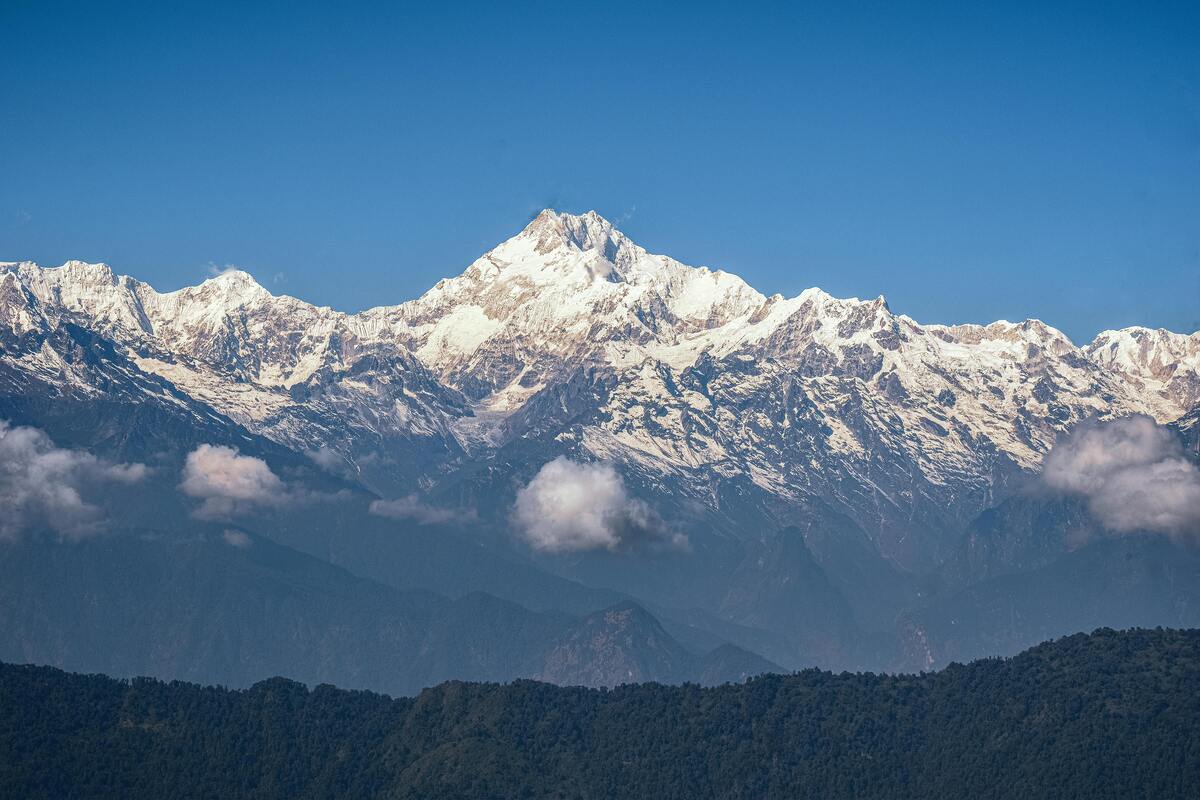
Why Himadri is the Highest Himalayan Range (Explained in a Simple Way)
Why is Himadri higher than other Himalayan ranges? Discover the simple reasons behind its height with an easy, beginner-friendly explanation.
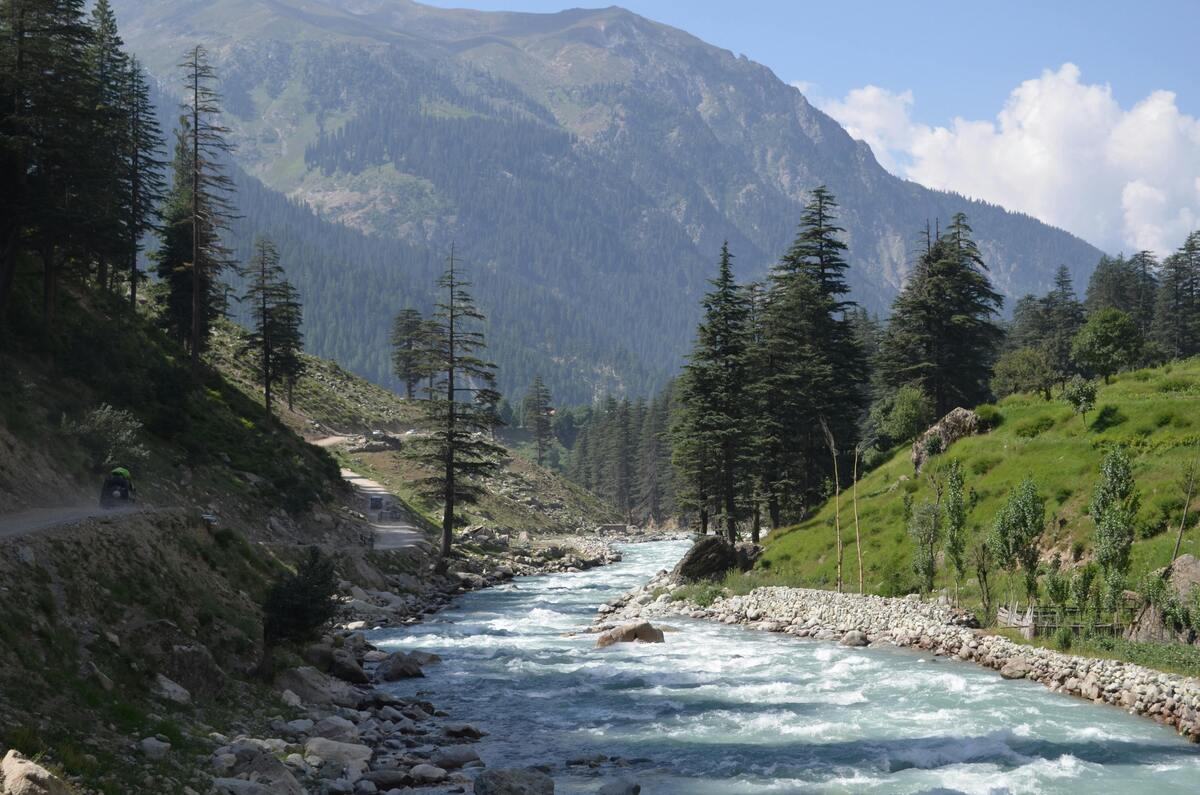
Climate Change Impact on Himalayan Rivers
Climate change is rapidly affecting Himalayan rivers like the Ganges, Brahmaputra, and Indus. Learn how glacier melting, changing rainfall, and floods threaten water security for nearly 2 billion people.
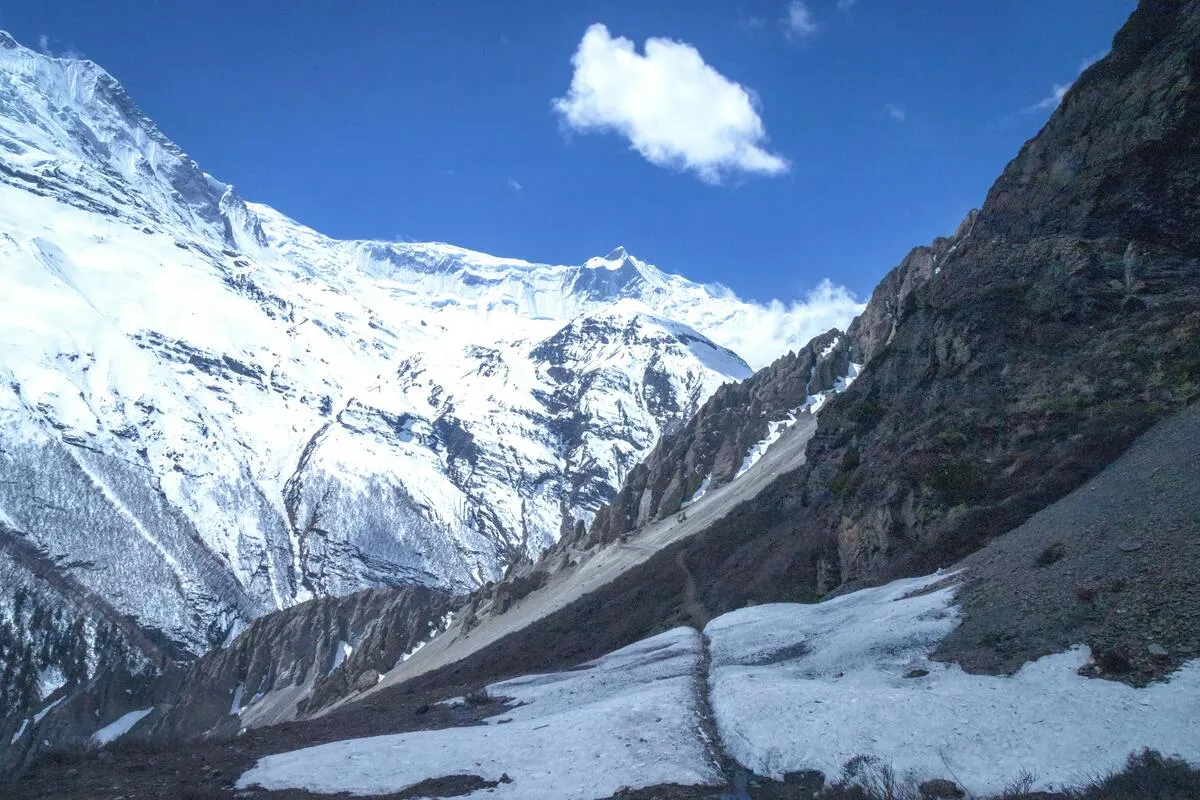
Why Himalayan Glaciers Are Melting Faster Than Ever — And Why the World Should Care
Himalayan glaciers are melting faster than ever. Discover the real causes, scientific warnings, and what glacier loss means for rivers, communities, and climate.