
Lessons from the 2013 Kedarnath Disaster: Rethinking Tourism and Development in Uttarakhand
Introduction
In June 2013, the tragedy in Kedarnath shook the entire country. What unfolded in those few days was more than a natural disaster — it was a moment of reckoning for how development happens in fragile mountain regions. While extreme rainfall triggered the crisis, as explained in our detailed breakdown of the Kedarnath flood causes and climate impact, the scale of destruction forced an uncomfortable question: had human decisions made the impact worse?
More than a decade later, the Kedarnath disaster continues to influence discussions around sustainable tourism in Uttarakhand, infrastructure planning in the Himalayas, and environmental governance in ecologically sensitive regions. The real lesson is not just about weather patterns — it is about how we build, travel, and grow in mountains that demand respect.
This is not only a story about loss. It is also a story about responsibility.
A Pilgrimage Hub Under Pressure
Kedarnath is not just a remote Himalayan town. It is one of India’s most sacred pilgrimage destinations, drawing lakhs of devotees every year. Over time, pilgrimage slowly evolved into high-volume seasonal tourism. Guesthouses multiplied. Shops expanded. Roads were widened to handle increasing traffic. Temporary structures turned permanent.
Economic growth became closely tied to tourist numbers.
For local communities, this growth brought opportunity. Hotels created employment. Transport services expanded. Small businesses thrived during peak Char Dham Yatra months. Tourism was no longer optional — it became the backbone of the regional economy.
But in the race to accommodate more visitors, one critical factor was often ignored: carrying capacity.
Mountain regions cannot absorb unlimited pressure. Every slope has limits. Every river has boundaries. Every ecosystem has a threshold.
When development outpaces ecological understanding, risk increases quietly in the background.
When Growth Outruns Planning
Before 2013, construction in parts of Uttarakhand had accelerated significantly. Riverbanks saw rapid expansion of hotels and shops. Roads were carved into steep slopes. Excavated debris was sometimes dumped into valleys or rivers. Forest areas shrank in certain zones.
Individually, each change may have appeared small. Collectively, they altered the natural balance of the region.
Unregulated development in Himalayan states often follows a pattern:
- Construction close to river channels
- Weak enforcement of environmental guidelines
- Limited slope stabilization measures
- Seasonal crowd surges without infrastructure planning
The Kedarnath disaster exposed how vulnerable such patterns can be.
It revealed that development in mountain terrain cannot follow the same blueprint used in plains or cities. The Himalayas operate on different geological rules.
Tourism Pressure in Uttarakhand: A Risk Multiplier After the Kedarnath Disaster
Tourism is frequently promoted as a clean and sustainable industry. And it can be — when managed responsibly. But mass tourism in fragile mountain zones brings its own challenges.
During peak seasons, Kedarnath and surrounding areas witnessed sudden population spikes. Waste generation increased sharply. Water demand rose. Temporary structures expanded beyond planned limits. Traffic congestion added stress to already narrow mountain roads.
Few systems were designed to manage such intensity.
Sustainable tourism in Uttarakhand requires more than scenic marketing campaigns. It requires:
- Visitor caps based on ecological capacity
- Proper waste management infrastructure
- Controlled construction zones
- Strong environmental monitoring
The lesson from 2013 is not to stop tourism. It is to redesign tourism.
Tourism must adapt to the mountains — not the other way around.
The Role of Policy and Governance
After the disaster, debates intensified around environmental clearances, infrastructure approvals, and disaster preparedness. Many experts pointed out that regulations existed on paper, but enforcement was inconsistent.
Development in ecologically sensitive zones demands strict governance. However, policy decisions often face pressure from:
- Political timelines
- Economic demands
- Local employment concerns
- Religious tourism priorities
Balancing faith-based tourism and environmental protection is complex. Kedarnath is not merely a tourist spot — it holds immense spiritual importance. Any restriction on access can spark public debate.
Yet, ignoring environmental realities carries heavier consequences.
The disaster demonstrated that long-term safety must outweigh short-term gains.
Infrastructure in the Himalayas: A Different Approach
Mountain infrastructure requires specialized planning. Roads must account for slope stability. Bridges must anticipate high discharge events. Buildings must avoid flood-prone zones.
Standard construction models are not suitable for Himalayan terrain.
In recent years, authorities have taken steps toward safer reconstruction. Structures near vulnerable zones have been relocated. Riverfront areas have been redesigned. Early warning systems have improved.
However, the larger question remains:
Are we building resilience — or rebuilding vulnerability?
Infrastructure projects in Uttarakhand today must integrate geological surveys, climate projections, and ecological impact assessments from the beginning — not as afterthoughts.
The Kedarnath disaster highlighted that mountain development without environmental science is a gamble.
Climate Change Adds a New Layer of Risk
While the focus of this article is development and tourism, climate change cannot be ignored in the conversation.
Glacier retreat, erratic rainfall patterns, and rising temperatures are altering Himalayan systems. These changes increase uncertainty. Events that were once rare may become more frequent.
In such conditions, risky development multiplies danger.
Planning in Uttarakhand must now consider:
- Increased rainfall variability
- Expanding glacial lakes
- Changing snowmelt patterns
- Growing water stress in some regions
Sustainable development in the Himalayas must combine climate adaptation with responsible tourism policy.
Ignoring either side creates imbalance.
Economic Dependency and the Dilemma
It is easy to criticize overdevelopment. It is harder to address economic reality.
Thousands of families in Uttarakhand depend on pilgrimage tourism for survival. Restricting visitor numbers or tightening regulations can affect livelihoods.
This creates a dilemma:
How do you protect the environment without harming local income?
The answer lies not in reducing opportunity — but in diversifying it.
Promoting year-round eco-tourism, local handicrafts, guided nature experiences, and community-based tourism can spread economic benefits without overwhelming specific hotspots.
A shift from mass tourism to value-based tourism can reduce pressure while maintaining income stability.
Quality over quantity must guide the next phase of Himalayan tourism.
Disaster Preparedness: Beyond Reaction
One of the strongest lessons from the 2013 Kedarnath disaster is the importance of preparedness.
Mountain regions require:
- Real-time weather monitoring
- Clear evacuation routes
- Community training programs
- Rapid communication systems
Preparedness is not only the government’s responsibility. Local communities must be empowered with awareness and training. Tour operators must follow safety guidelines strictly.
When risk is part of geography, preparedness becomes part of culture.
Over the past decade, improvements have been made. Yet continuous review and adaptation are essential.
Disaster management in Himalayan regions cannot remain static. It must evolve with environmental changes.
Rethinking Development Models in Uttarakhand
The Kedarnath disaster sparked broader reflection across Uttarakhand. Questions emerged about hydropower projects, road expansions, and construction norms in fragile zones.
The Himalayas are geologically young and sensitive. Large-scale projects require careful evaluation.
Development is necessary. Connectivity improves healthcare, education, and economic opportunity. But the model of development must suit the landscape.
A mountain state cannot mirror plains-based growth patterns.
Future planning must prioritize:
- Eco-sensitive zoning
- Strict river buffer enforcement
- Sustainable building codes
- Long-term environmental monitoring
Growth and conservation must move together.
The core lesson from the 2013 Kedarnath disaster is not to halt development, but to redesign it. Sustainable tourism in Uttarakhand must align with the ecological limits of the Himalayas. Without respecting carrying capacity and geological sensitivity, growth becomes vulnerability.
Several environmental experts have long warned about ignoring ecological thresholds, a concern we also examined in [Sustainable Tourism Models for Mountain Regions].
Responsible Travel: The Visitor’s Role
Tourists also carry responsibility.
Sustainable tourism in Uttarakhand is not only about government policy. Visitor behavior matters deeply.
Responsible travel includes:
- Avoiding littering
- Respecting designated pathways
- Supporting local businesses
- Reducing plastic use
- Following official advisories
When travelers treat mountains as disposable destinations, pressure increases. When they travel mindfully, they become part of the solution.
The 2013 disaster reminds us that tourism is not neutral. It shapes ecosystems.
Has Change Truly Happened?
More than ten years later, visible improvements exist in Kedarnath. Infrastructure has been rebuilt with greater care. Monitoring systems are stronger. Awareness is higher.
Yet tourism numbers continue to rise annually. The region still faces landslides, extreme rainfall, and infrastructure strain during peak months.
The lesson from Kedarnath must not fade with time.
Mountain ecosystems do not reset quickly. Recovery is slow. Damage accumulates quietly.
Long-term sustainability requires continuous commitment — not temporary reaction.
A Turning Point for Himalayan Policy
The 2013 Kedarnath disaster stands as a turning point in Himalayan development history. It forced policymakers, environmentalists, and communities to confront difficult truths.
Mountains are not blank spaces for expansion. They are living systems with limits.
Tourism cannot be unlimited. Construction cannot ignore terrain. Economic growth cannot overlook ecological balance.
Uttarakhand now faces an important choice: continue expanding at speed, or grow with caution.
The future of sustainable tourism in Uttarakhand depends on that decision.
Conclusion: Beyond Memory, Toward Responsibility
Kedarnath today stands rebuilt — but the memory of 2013 remains embedded in the landscape.
The disaster was a wake-up call. It revealed the consequences of overlooking environmental boundaries in the pursuit of rapid growth. It highlighted the fragile nature of Himalayan development. And it underscored the urgent need for sustainable tourism practices.
The most powerful lesson from the 2013 Kedarnath disaster is simple:
Development in the Himalayas must be guided by ecology, not ambition alone.
If tourism, infrastructure, and policy align with environmental realities, mountain regions can thrive safely. If not, risk will continue to grow silently.
Kedarnath is more than a pilgrimage destination. It is a reminder that progress without balance can come at a heavy cost.
The responsibility now lies with policymakers, businesses, communities, and travelers alike — to ensure that growth in Uttarakhand respects the mountains that sustain it.
Frequently Asked Questions (FAQs)
1. What are the main lessons from the 2013 Kedarnath disaster?
The main lessons from the 2013 Kedarnath disaster include the need for sustainable tourism in Uttarakhand, stricter environmental regulation, better disaster preparedness, and development planning that respects Himalayan ecology. The tragedy showed that unplanned construction in fragile mountain regions increases risk.
2. Was the Kedarnath disaster entirely natural?
While extreme rainfall triggered the event, many experts argue that rapid and unplanned development in Uttarakhand amplified the damage. Construction near riverbanks and increasing tourism pressure made the region more vulnerable.
3. How did tourism contribute to the Kedarnath disaster?
Tourism itself was not the direct cause, but high visitor numbers led to infrastructure expansion in sensitive areas. Hotels and roads built close to rivers increased exposure to flooding. The disaster highlighted the importance of managing carrying capacity in Kedarnath.
4. What changes were made after the 2013 Kedarnath disaster?
After 2013, authorities introduced stricter building norms, improved early warning systems, and relocated some infrastructure away from high-risk zones. Monitoring of glacial lakes and disaster response systems also improved.
5. Can a similar disaster happen again in Uttarakhand?
Yes, natural processes like heavy rainfall and landslides will continue in the Himalayas. However, the impact can be reduced through sustainable tourism policies, better infrastructure planning, and stronger disaster preparedness.
6. Why is sustainable tourism important in Uttarakhand?
Sustainable tourism in Uttarakhand ensures that economic benefits do not come at the cost of environmental damage. It helps protect fragile mountain ecosystems while supporting local livelihoods safely.
Related Articles
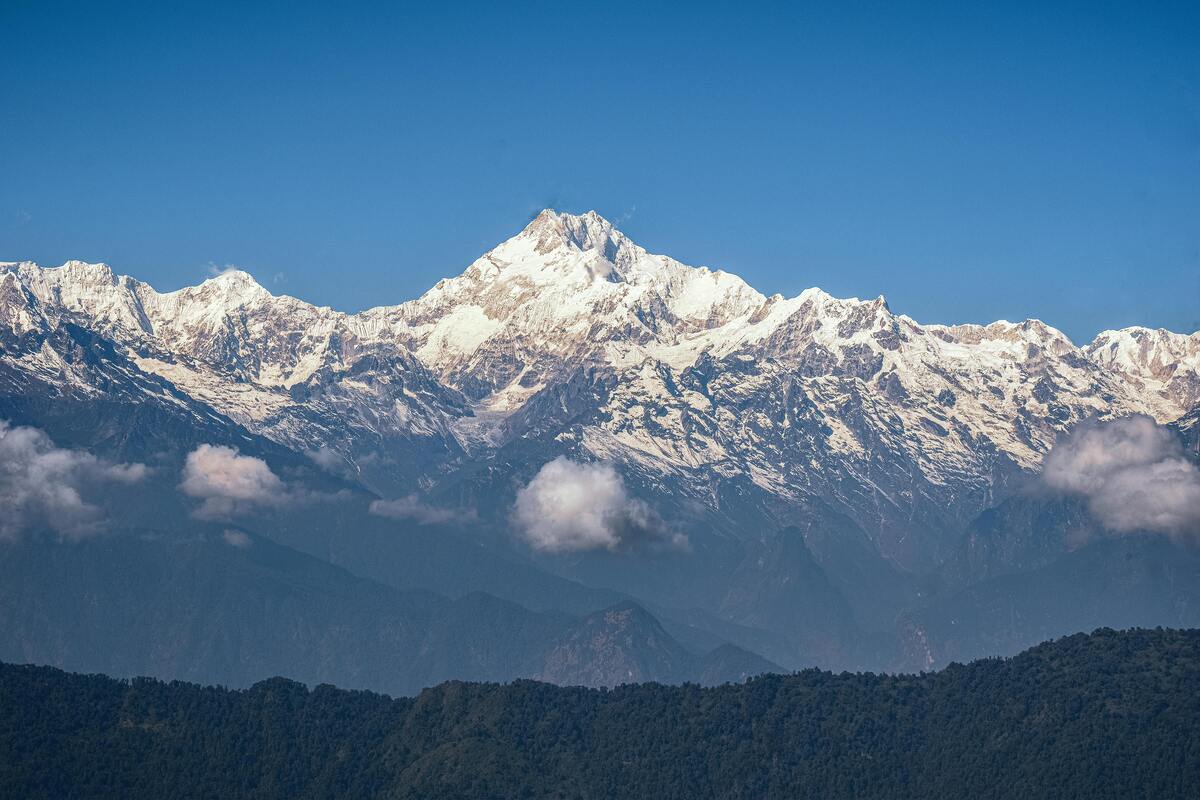
Why Himadri is the Highest Himalayan Range (Explained in a Simple Way)
Why is Himadri higher than other Himalayan ranges? Discover the simple reasons behind its height with an easy, beginner-friendly explanation.
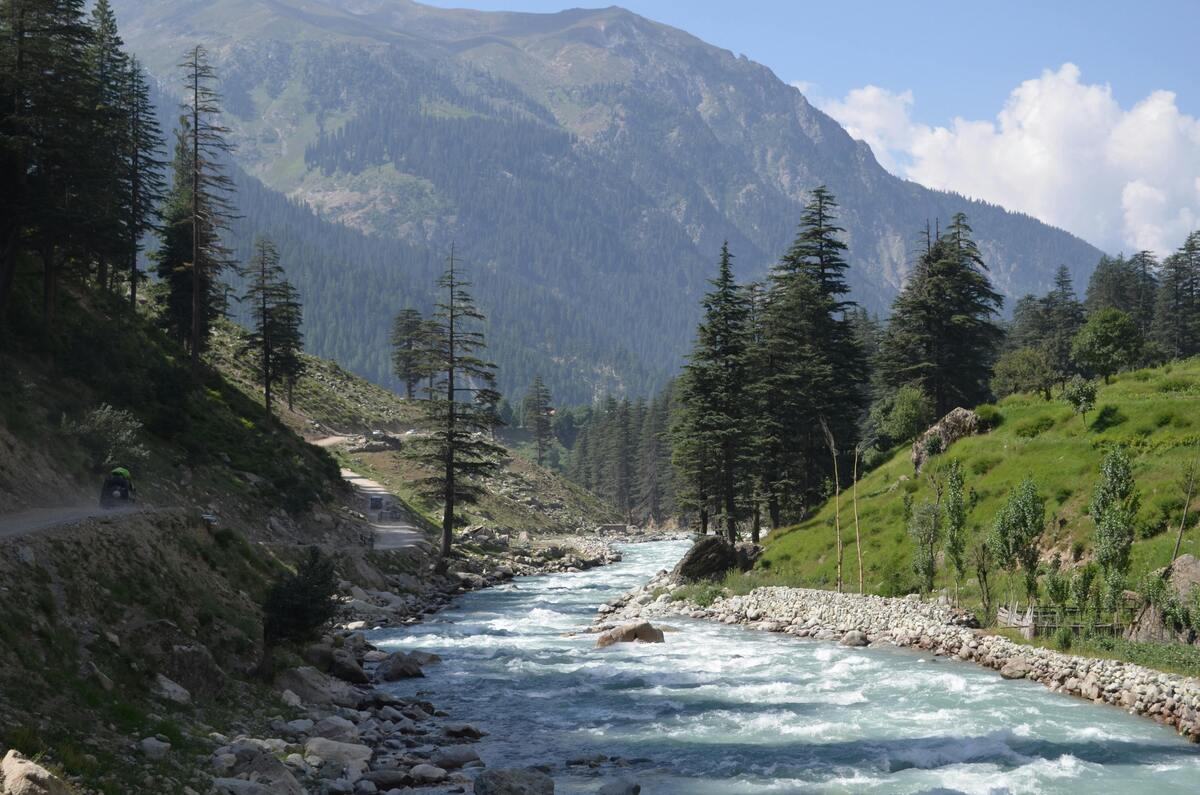
Climate Change Impact on Himalayan Rivers
Climate change is rapidly affecting Himalayan rivers like the Ganges, Brahmaputra, and Indus. Learn how glacier melting, changing rainfall, and floods threaten water security for nearly 2 billion people.
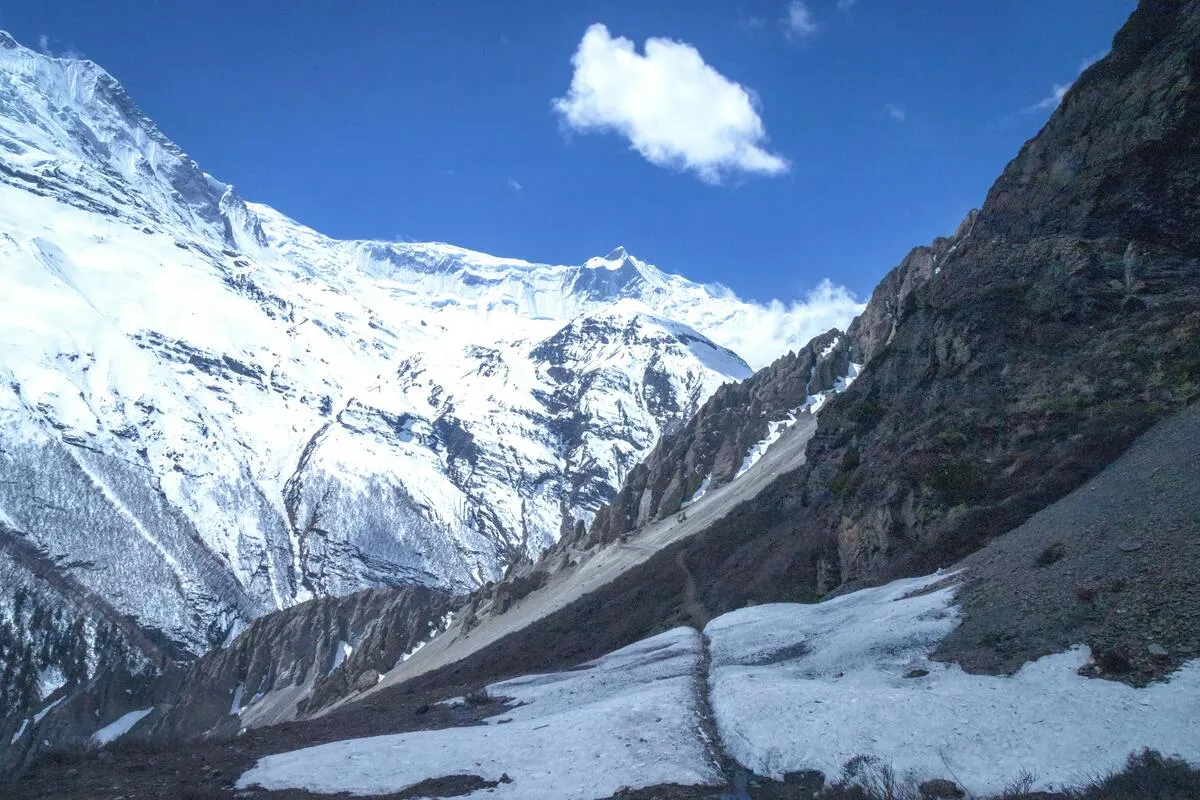
Why Himalayan Glaciers Are Melting Faster Than Ever — And Why the World Should Care
Himalayan glaciers are melting faster than ever. Discover the real causes, scientific warnings, and what glacier loss means for rivers, communities, and climate.