Life in Kedarnath: How People Survive and Thrive in the Himalayas
Geography and Climate of Kedarnath
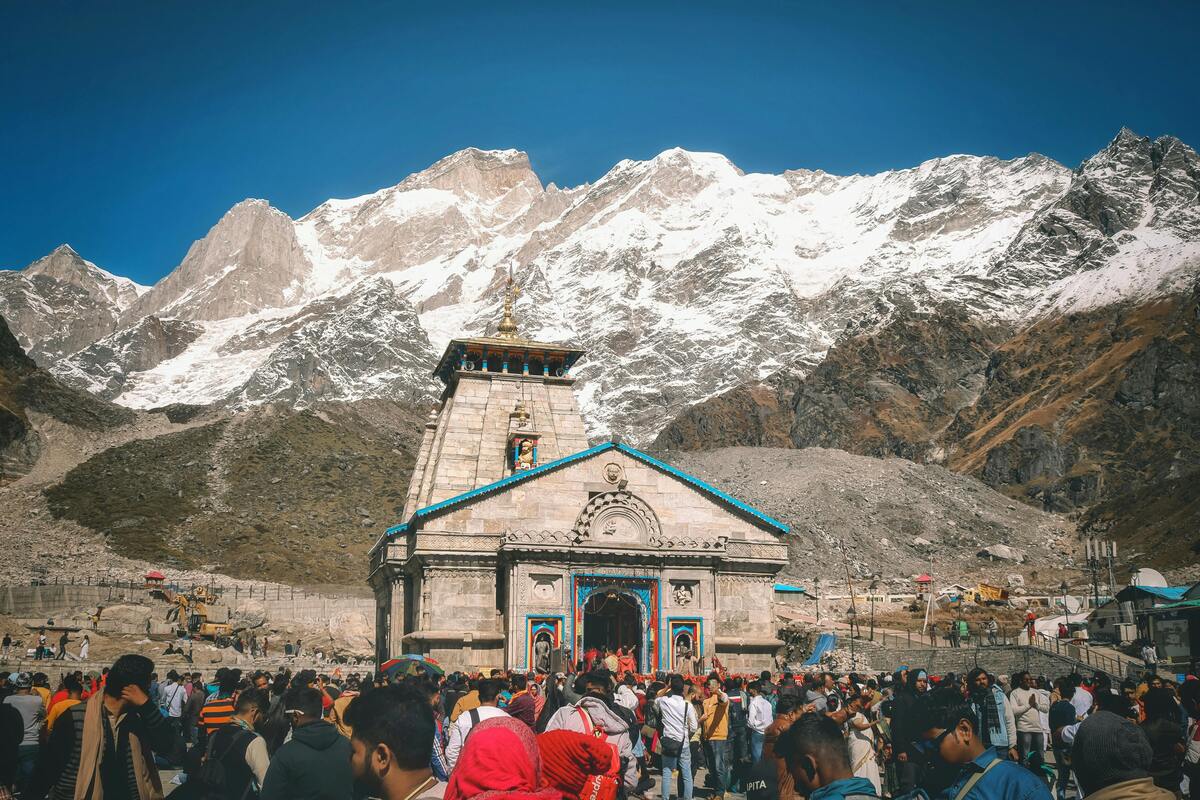
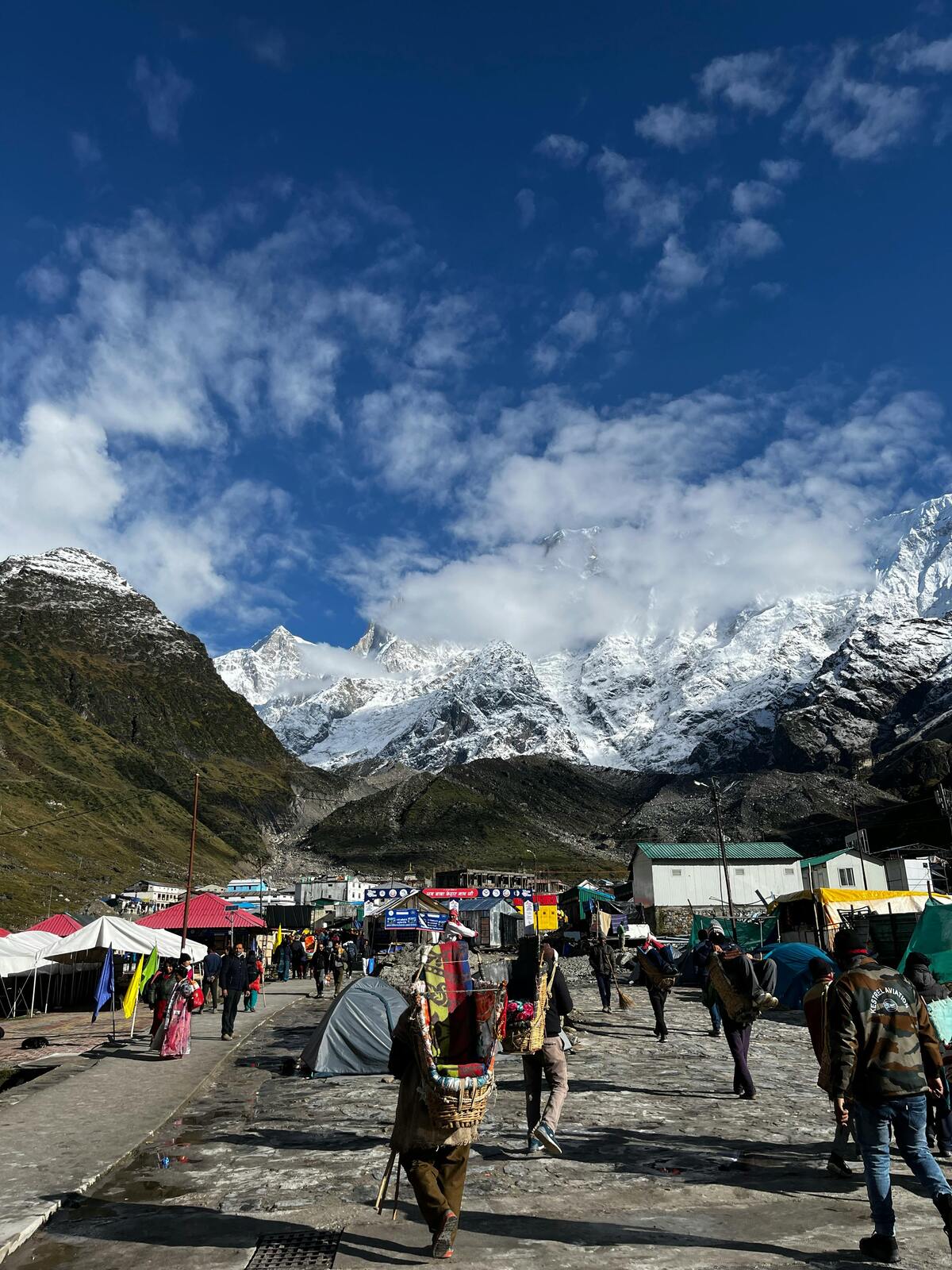
Nestled at an altitude of around 3,583 meters, Kedarnath is one of the most remote villages in the Indian Himalayas. Surrounded by towering peaks and deep valleys, the region experiences some of the harshest weather conditions in the country. Winters here are long and severe, with temperatures often plunging well below freezing. Heavy snowfall is common, sometimes cutting off access to the village entirely for months. Summers are brief, lasting barely three to four months, giving farmers only a short window to grow crops and sustain their livelihoods.
Despite these extreme conditions, the Himalayas provide a natural protective barrier against the coldest winds blowing from Central Asia. While the protection doesn’t make life easy, it does temper the harshest winters, creating conditions that are slightly more livable than the frozen plains of Central Asia. Even with this natural shield, the terrain and climate present constant challenges, shaping everything from the design of homes to the crops villagers grow.
The region’s geography also makes it prone to sudden weather changes. Clear, sunny mornings can quickly turn into snowy, foggy afternoons. The Himalayan slopes, while majestic, contribute to unpredictable weather patterns and occasional landslides, reminding residents that nature is both protector and challenger.
Daily Life and Livelihood in Kedarnath
Life in Kedarnath revolves around adaptation, resilience, and community. Farming is limited due to the short growing seasons and dependence on Himalayan rivers, but villagers have learned to grow hardy crops that can withstand the cold, such as potatoes, rajma (kidney beans), barley, and some grains. Terrace farming is common, allowing cultivation on steep slopes while minimizing soil erosion. Animal husbandry, particularly goats, sheep, and sometimes cows, also supports families, providing milk, meat, and wool for daily needs.
Tourism and pilgrimage play an increasingly important role in sustaining the local economy. The Kedarnath Temple, a revered spiritual center, attracts thousands of devotees during the summer months. Pilgrimage season provides temporary employment in guiding, food services, lodging, and small shops selling religious offerings. The influx of visitors, while vital for the economy, requires careful management to prevent environmental damage and maintain the fragile Himalayan mountain ecosystem.
During the winter months, many villagers migrate temporarily to lower altitudes or nearby towns to escape the heavy snow. Those who remain rely on stored food, firewood, and woolen clothing to survive the cold. Every aspect of daily life — from cooking to dressing to transportation — is influenced by the climate. Villagers follow routines shaped by centuries of experience: thick woolens for warmth, carefully insulated homes, and traditional stoves to conserve heat.
Education and healthcare also adapt to the environment. Schools often operate only during accessible months, while healthcare centers are small and community-supported, with volunteers trained to handle emergencies until external help can arrive. Modern amenities are gradually reaching the village, but life here remains intimately connected to the rhythms of nature.
Faith, Culture, and Community
Faith and community are inseparable from life in Kedarnath. The Kedarnath Temple is not just a spiritual hub; it is the heart of cultural and social life. Seasonal festivals, religious rituals, and community gatherings revolve around both faith and the natural calendar. Villagers celebrate with shared meals, music, and prayers, marking the changing seasons and harvests.
Community resilience is remarkable in Kedarnath. Neighbors help one another during harsh winters, share resources, and collaborate during emergencies such as snowstorms or landslides. In a landscape where survival often depends on teamwork, social cohesion is not just a cultural ideal but a necessity. Knowledge of the mountains, weather patterns, and safe pathways is passed down through generations, ensuring that even children learn survival skills from an early age.
Local traditions also reflect a deep respect for nature. Religious rituals often involve offerings to rivers, mountains, and forests, reinforcing awareness of the ecosystem’s fragility. Cultural practices are intertwined with environmental stewardship, highlighting the long-standing understanding that human life in the Himalayas depends on sustainable coexistence with nature.
Challenges and Natural Disasters
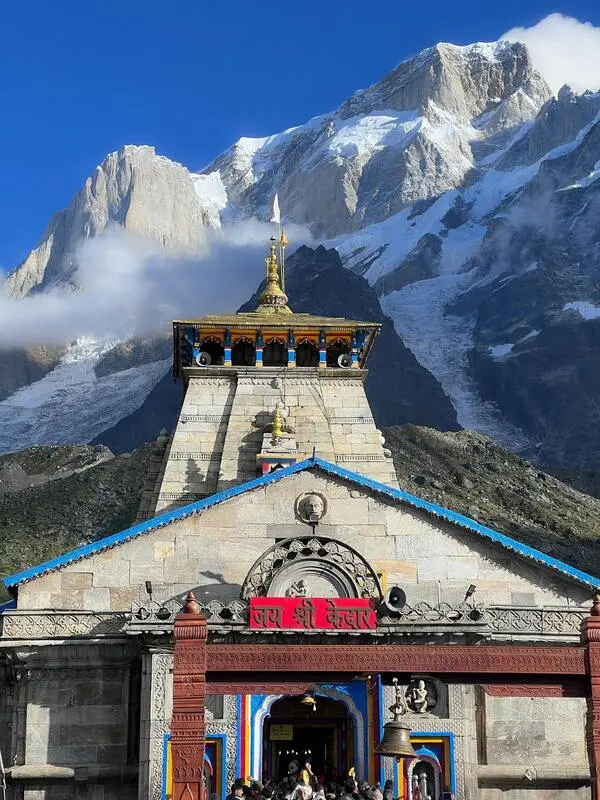
Living in the Himalayas comes with unavoidable risks. Kedarnath has faced devastating natural disasters, the most significant being the 2013 floods. Heavy monsoon rains triggered massive landslides and flash floods, destroying homes, roads, and infrastructure, and tragically claiming lives. The disaster highlighted how climatic factors, combined with human oversight and unplanned development, can create catastrophic outcomes in mountainous regions.
The steep slopes, river convergence, deforested areas, and poorly planned construction contributed to the scale of destruction. The floods were not just a natural disaster but also a lesson in environmental awareness, sustainable planning, and disaster preparedness. Since then, rebuilding efforts have focused on safer construction, better water management, and early warning systems.
Even now, Kedarnath faces challenges. Seasonal snow, landslides, and heavy rainfall remain risks, particularly during the monsoon. Increasing tourism, deforestation, and unregulated construction can exacerbate natural vulnerabilities. Awareness among locals, travelers, and authorities is critical to prevent similar disasters in the future.
Lessons from Kedarnath Life
Kedarnath teaches profound lessons about survival, adaptation, and living in harmony with nature. Human life here is a continuous negotiation with the environment. Every practice, from farming to construction to cultural traditions, reflects a balance between human needs and natural constraints.
The Himalayas are not mere spectators of human life—they actively shape it. They influence climate, determine river flow, protect against extreme winds, and regulate ecosystems that villagers depend on. Understanding life in Kedarnath provides insight into sustainable living practices, the importance of environmental stewardship, and the delicate balance between development and nature.
For travelers, researchers, and policymakers, Kedarnath is a reminder that mountains are living systems with which humans must coexist respectfully. Protecting forests, managing water, planning sustainable tourism, and respecting local knowledge are essential steps in ensuring that communities like Kedarnath can continue to survive and thrive in the Himalayas.
Why Kedarnath Matters Beyond the Village
While Kedarnath is small and remote, its lessons are global. Climate change, increased tourism, and environmental neglect have consequences far beyond the village. The challenges faced here illustrate the broader vulnerability of Himalayan communities and the crucial role of mountains in regulating climate, supporting biodiversity, and sustaining human life.
By learning from Kedarnath, we can understand the interconnectedness of people, nature, and policy. Respecting this ecosystem means not only protecting a sacred village but also preserving the health of the wider Himalayan region, which impacts millions of people across South Asia.