
Zero-Waste Travel Tips for Himalayan Trips: How to Explore Responsibly
Introduction
Traveling to the Himalayas is a dream for many—but this fragile mountain ecosystem is highly vulnerable to human impact. From trekking trails to rivers and villages, waste and plastic pollution are growing threats. Zero-waste travel is not just a trend; it is a responsible choice that protects the environment, preserves local culture, and supports sustainable tourism.
This guide will give you practical zero-waste travel tips for your Himalayan adventure while keeping your trip enjoyable and meaningful.
1. Plan Ahead and Pack Smart
Proper planning is the first step toward zero-waste travel.
- Reusable items: Carry your own water bottle, coffee cup, cutlery, and shopping bags.
- Minimal packaging: Avoid individually wrapped snacks. Instead, take bulk or homemade food.
- Eco-friendly toiletries: Use biodegradable soap, shampoo bars, and toothpaste tablets.
Tip: Packing light reduces waste and minimizes the environmental footprint of your transportation.
2. Carry a Reusable Water Bottle and Filter
Plastic bottles are a major source of waste in Himalayan regions.
- Bring a durable reusable bottle
- Use a portable water filter if you are trekking in remote areas
- Some homestays provide refill points—always ask
This simple action alone can prevent hundreds of plastic bottles from polluting rivers and trails.
3. Say No to Single-Use Plastics
Tourists often generate plastic waste without realizing it.
- Avoid plastic bags, straws, and cutlery
- Use your own cloth or jute bag for shopping in local markets
- Choose local food vendors using biodegradable packaging
Even small items like plastic wrappers can take hundreds of years to decompose in mountain soil.
4. Support Local and Eco-Friendly Businesses
Zero-waste travel is not only about reducing trash—it’s also about supporting communities that prioritize sustainability.
- Stay in homestays run by locals
- Eat locally sourced meals instead of packaged food
- Buy handmade crafts rather than mass-produced souvenirs
This ensures that your tourism dollars support responsible businesses and encourage environmental stewardship.
5. Be Mindful During Treks
Mountain trails are particularly vulnerable to littering and environmental damage.
- Always carry a small trash bag
- Pack out all waste, including food scraps
- Stick to marked trails to avoid trampling fragile vegetation
- Avoid disturbing wildlife
The Himalayan soil and ecosystems recover very slowly, making mindful trekking crucial.
6. Practice “Leave No Trace” Principles
The Leave No Trace principles are a global standard for responsible tourism:
- Plan ahead and prepare
- Travel and camp on durable surfaces
- Dispose of waste properly
- Leave what you find
- Minimize campfire impact
- Respect wildlife
- Be considerate of other visitors
Following these principles ensures sustainable travel without harming communities or nature.
7. Choose Eco-Friendly Transport Options
Travel within the Himalayas can create carbon emissions and traffic.
- Use public transport, shared taxis, or buses instead of private cars
- Walk or cycle whenever possible
- Avoid helicopter rides or unnecessary fuel-intensive activities
This reduces your carbon footprint and helps protect the fragile mountain environment.
8. Avoid Over-Packaged Souvenirs
Tourists often buy souvenirs that come in plastic packaging.
- Choose handmade, unpackaged crafts
- Bring your own reusable bag for carrying items
- Support local artisans directly
This reduces plastic waste and supports sustainable local businesses.
9. Educate Yourself About Local Waste Practices
Different Himalayan regions have varying waste management systems:
- Some villages may not have recycling facilities
- Certain trails or monasteries may require pack-in-pack-out policies
- Learn local customs and rules before your trip
Being informed ensures that you don’t unintentionally harm the community.
10. Involve Others in Zero-Waste Travel
Responsible tourism is more effective when shared:
- Encourage your travel companions to use reusable items
- Share tips with fellow travelers on eco-friendly practices
- Support community clean-up initiatives when available
Your actions can inspire a positive ripple effect for other travelers.
11. Digital Alternatives to Paper Waste
- Use digital tickets for buses, treks, and permits
- Keep maps and guides on your phone instead of printed copies
- Avoid printing itineraries or brochures unnecessarily
Simple digital practices reduce paper waste and printing demand.
12. Stay Conscious Even After Your Trip
Responsible travel doesn’t end when you leave:
- Share your zero-waste experience on social media
- Encourage others to travel responsibly
- Continue supporting local Himalayan businesses online
This creates awareness and ensures long-term positive impact.
Conclusion
Zero-waste travel in the Himalayas is about mindful planning, small actions, and respecting the environment and communities. Every decision—from what you pack to how you dispose of waste—contributes to preserving this fragile ecosystem.
By following these tips, travelers can:
- Reduce plastic and litter
- Support local communities
- Protect wildlife and landscapes
- Experience the Himalayas in a meaningful and responsible way
Traveling responsibly ensures that future generations can enjoy the pristine beauty of the Himalayas while communities continue to thrive.
Related Articles
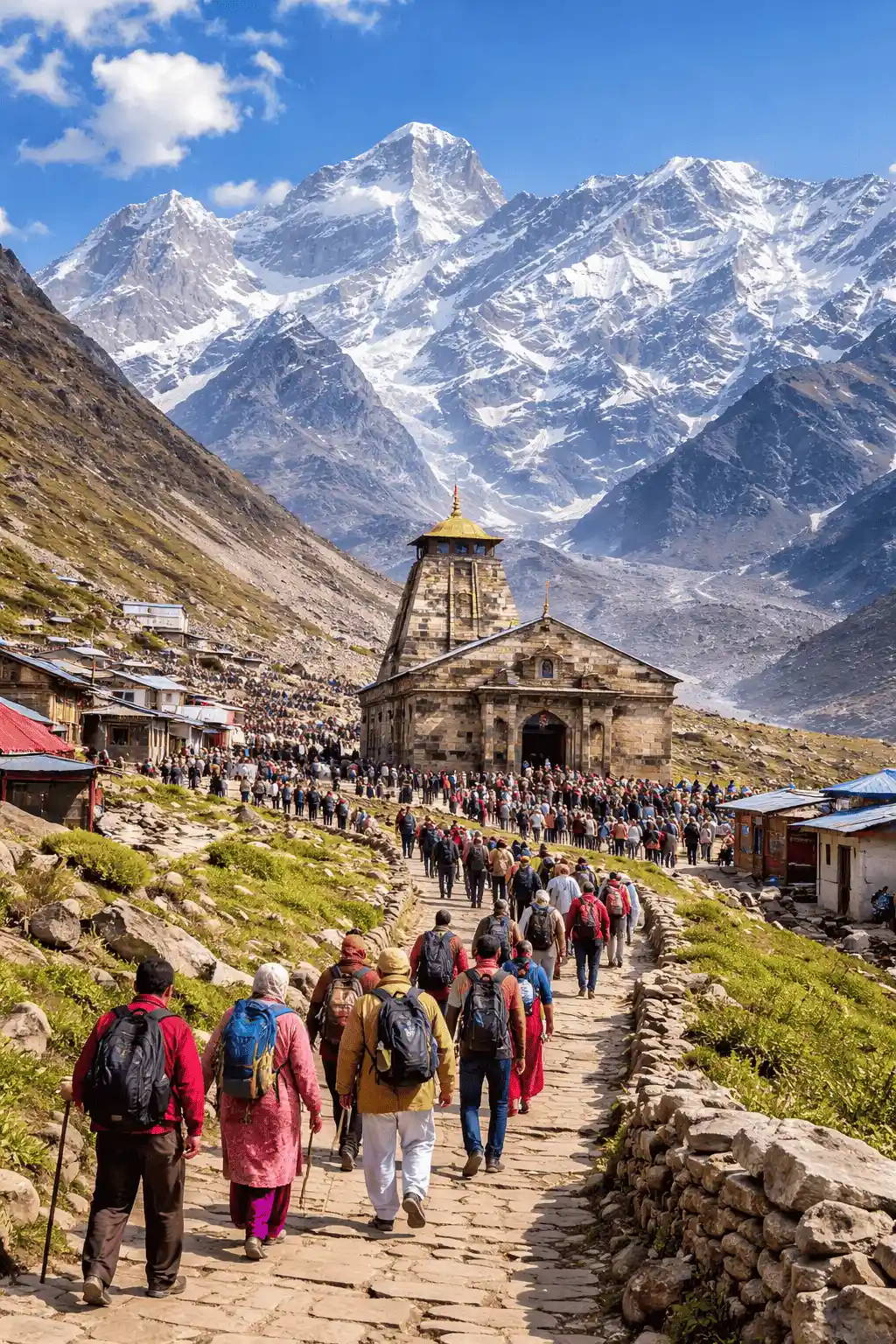
Is Char Dham Yatra Getting Too Crowded? What Pilgrims Should Know
Crowds at Char Dham Yatra are rising every year. Is it becoming too crowded? Here’s a simple look at the ground reality and what pilgrims should know.
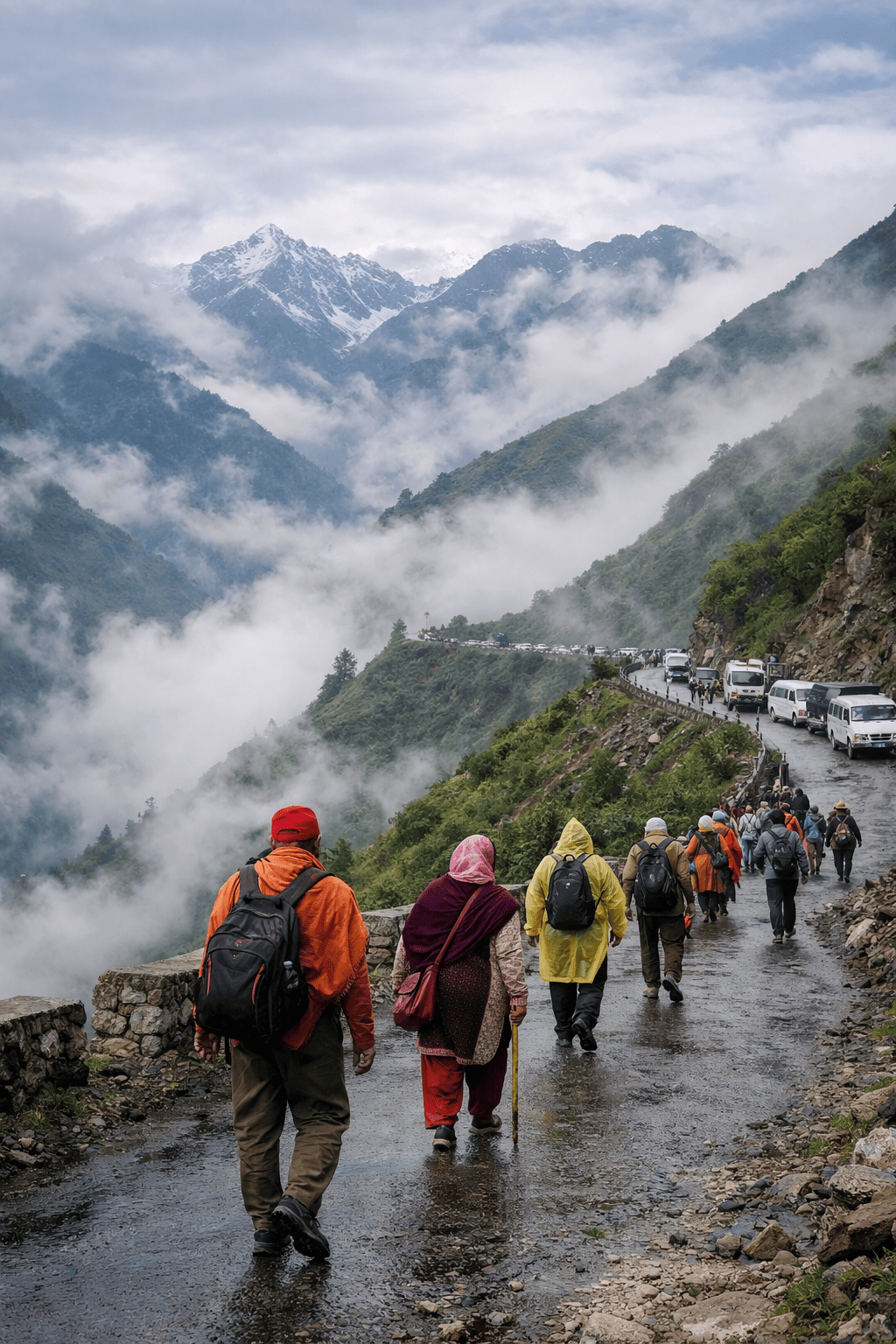
Is the Char Dham Yatra Becoming More Challenging Each Year?
Changing weather, frequent landslides, and crowded routes are reshaping the Char Dham Yatra. Here’s why preparation matters more than ever.

Cultural Etiquette Tourists Often Ignore in Himalayan Regions
Learn the cultural etiquette travelers often overlook in Himalayan villages and regions, and how respectful behavior leads to deeper, more meaningful travel experiences.