Flash Floods in Uttarakhand Are Getting Worse — Here’s Why
Introduction: Something Is Changing in the Hills
If you’ve been following the news over the past few years, you’ve probably noticed a pattern. Heavy rain. Sudden cloudbursts. Roads washed away. Pilgrims stranded. Villages flooded overnight.
Flash floods in Uttarakhand don’t feel like rare disasters anymore. They feel frequent. Intense. Almost expected during monsoon season.
So what’s really happening?
Are flash floods in Uttarakhand actually getting worse? Or are we just hearing about them more?
The short answer: yes, they are becoming more intense — and several powerful factors are combining to make them more destructive than before.
Let’s break it down in simple terms.
Why Uttarakhand Is Naturally Vulnerable to Flash Floods
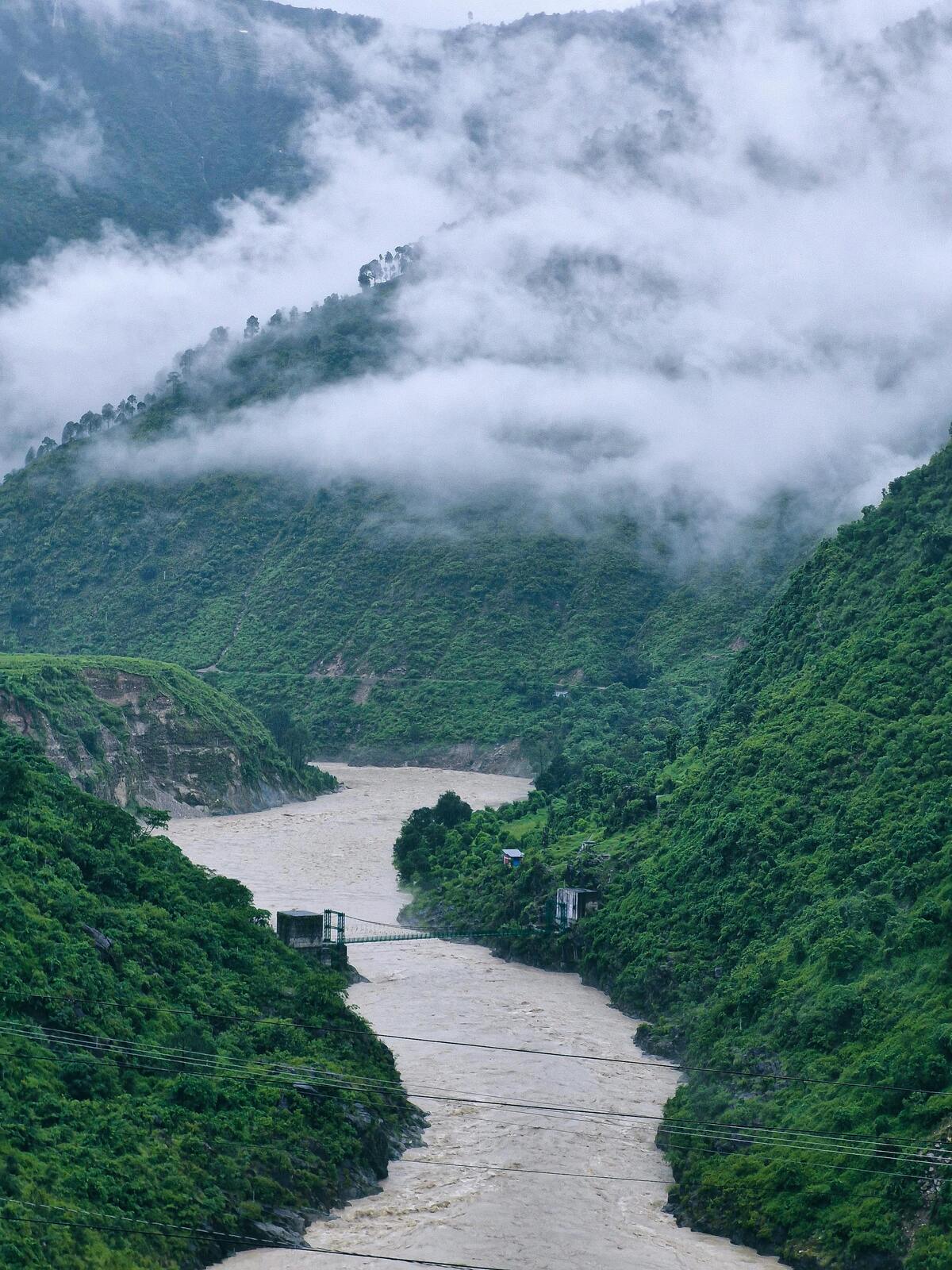
Uttarakhand sits in the lap of the Himalayas. Beautiful, yes. But also fragile.
Mountain regions are naturally prone to flash floods because:
- Rivers flow fast due to steep slopes
- Rainwater doesn’t get absorbed easily
- Valleys are narrow
- Settlements are often built along riverbanks
When heavy rain falls in a short time, water has nowhere to go except down — and it moves fast.
Unlike plains, where water spreads out slowly, mountain water behaves aggressively.
That’s why even a few hours of intense rainfall can turn small streams into raging rivers.
And in recent years, that rainfall has become more unpredictable.
How Climate Change Is Making Flash Floods in Uttarakhand Worse
One of the biggest reasons flash floods are getting worse in Uttarakhand is climate change.
Here’s how it works in simple terms:
Warmer air holds more moisture.
When that moisture is released, it comes down as heavier rainfall — often in a short burst. These sudden downpours are known as cloudbursts.
In Himalayan regions, cloudbursts can dump massive amounts of rain within hours. Rivers swell instantly. Landslides block natural drainage. Water builds pressure. And then — destruction.
Studies show extreme rainfall events are increasing across mountain regions worldwide. The Himalayas are no exception.
So while Uttarakhand has always experienced monsoon rains, the intensity is changing.
More water in less time = more flash floods.
Melting Glaciers and Rising River Levels
The Himalayas are often called the “Water Tower of Asia.” Many major rivers originate here.
But glaciers in the region are melting faster than before.
When glaciers melt rapidly:
- River flow increases
- Glacial lakes expand
- The risk of glacial lake outburst floods rises
These glacial lakes are formed by melting ice. If their natural barriers break, enormous volumes of water rush downhill.
This adds another layer of flood risk, especially during heavy rainfall.
So now Uttarakhand faces two pressures at once:
- Intense monsoon rainfall
- Increasing glacier meltwater
That combination can overwhelm rivers quickly.
Road Construction and Hill Cutting
Now let’s talk about something more local.
Over the past decade, Uttarakhand has seen rapid road widening and infrastructure development, especially in pilgrimage routes.
Road construction in mountainous areas often involves cutting into hillsides. When slopes are disturbed:
- Natural soil stability weakens
- Vegetation is removed
- Drainage patterns change
Trees and plants play a huge role in absorbing rainwater and holding soil together. When forests are cleared, water flows faster over the surface instead of soaking in.
This increases:
- Soil erosion
- Landslides
- Blocked rivers
And when a landslide blocks a river temporarily, it can create a sudden surge of water once the blockage breaks — leading to flash flooding downstream.
So development without proper environmental planning can unintentionally increase flood risk.
Deforestation and Loss of Natural Buffers
Forests are nature’s flood control system.
Roots absorb water. Soil retains moisture. Trees slow down runoff.
When forests are reduced:
- Rainwater flows faster
- Soil becomes loose
- Riverbanks weaken
Uttarakhand has experienced pressure from tourism, urban expansion, and infrastructure growth. While development brings economic benefits, it also increases vulnerability if not managed carefully.
Nature had its own balance. When that balance shifts, extreme events become more damaging.
Changing Monsoon Patterns
The Indian monsoon itself is changing.
Instead of steady rainfall spread over weeks, there are more short, intense bursts.
This pattern is dangerous in mountain regions.
Heavy rainfall concentrated in a few hours causes:
- Sudden river swelling
- Road collapses
- Washed-away bridges
- Isolated communities
Even if total seasonal rainfall doesn’t drastically increase, the distribution matters.
More extreme rain events mean higher flash flood risk.
Lessons from the 2013 Kedarnath Disaster
In June 2013, Uttarakhand witnessed one of the deadliest natural disasters in its history near Kedarnath Temple.
A sudden cloudburst triggered intense rainfall in the region. Rivers like the Mandakini River swelled rapidly. Massive flooding and landslides followed.
Entire settlements were swept away. Roads collapsed. Communication networks failed.
Thousands of people were affected. Many lost their lives.
The disaster exposed how vulnerable the Himalayan region had become — especially with increasing construction near riverbanks and fragile slopes.
For many experts, 2013 was a wake-up call. It showed that extreme weather events combined with unplanned development can turn heavy rainfall into catastrophe.
Impact on Local Communities
For people living in Uttarakhand’s hill districts, flash floods are not just headlines.
They mean:
- Destroyed homes
- Lost crops
- Broken roads
- Power outages
- Disrupted tourism
Small towns that depend on seasonal visitors face economic setbacks when roads are damaged.
Pilgrimage routes become unsafe. Transport halts. Emergency response becomes difficult because remote villages are hard to access.
Flash floods don’t just damage property — they interrupt lives.
Tourism and Pilgrimage Risks
Uttarakhand attracts millions of visitors every year.
When heavy rain hits during peak travel season, flash floods can:
- Trap tourists
- Block highways
- Damage hotels and shops
- Delay rescue operations
Travelers often underestimate mountain weather. Conditions can change within hours.
With increasing extreme rainfall, travel planning now requires more awareness and caution.
Can Flash Floods in Uttarakhand Be Prevented?
Completely preventing flash floods in mountainous terrain is unrealistic.
But the damage can be reduced.
Some practical steps include:
- Better early warning systems
- Monitoring glacial lakes
- Strict environmental impact assessments before road projects
- Reforestation efforts
- Improved drainage planning
Technology helps. Satellite monitoring can detect rainfall intensity. Weather alerts can warn communities earlier.
But long-term safety depends on balancing development with environmental protection.
Are Flash Floods Becoming the New Normal?
That’s the question many people are asking.
When extreme weather events become frequent, they start to feel normal. But they shouldn’t be.
If climate patterns continue shifting and development continues without sustainable planning, flash flood intensity could remain high — or increase further.
Uttarakhand’s geography makes it sensitive. Climate change makes it vulnerable. Human activity can either reduce risk — or amplify it.
The future depends on decisions made now.
Final Thoughts: Are We Prepared for the Next Flash Flood?
Flash floods in Uttarakhand are no longer rare disasters — they are becoming seasonal threats.
The combination of climate change, glacier melt, changing monsoon patterns, deforestation, and rapid infrastructure development is increasing the intensity of these events.
The mountains themselves are not the enemy. The Himalayas have always been dynamic and powerful. But when extreme weather meets fragile landscapes and unplanned construction, the damage multiplies.
Flash floods may not be completely preventable. But their impact can be reduced.
Smarter development policies. Stronger environmental protection. Better early warning systems. Responsible tourism.
The real question isn’t whether flash floods will happen again in Uttarakhand.
- It’s whether we will be better prepared when they do.
Frequently Asked Questions About Flash Floods in Uttarakhand
1. Why are flash floods so common in Uttarakhand?
Flash floods are common because Uttarakhand is a mountainous region with steep slopes and fast-flowing rivers. Heavy rainfall during the monsoon can quickly turn small streams into powerful torrents. Climate change and increased construction have made the situation worse.
2. Are flash floods in Uttarakhand increasing due to climate change?
Yes, climate change is playing a major role in worsening flash floods in Uttarakhand. Warmer temperatures allow the atmosphere to hold more moisture, which leads to intense rainfall and cloudbursts. In mountainous regions like the Himalayas, even a few hours of extreme rain can trigger sudden flooding and landslides.
3. When is flash flood risk highest in Uttarakhand?
The risk is highest during the monsoon season, typically between June and September. However, sudden cloudbursts can also occur outside peak monsoon months.
4. How do flash floods affect tourism and pilgrimage routes?
Flash floods can block highways, damage bridges, and disrupt travel routes. Popular pilgrimage and tourist areas become vulnerable during heavy rain, leading to travel delays and safety concerns.
5. Can flash floods in Uttarakhand be prevented?
Flash floods in Uttarakhand are no longer rare events — they are becoming a seasonal threat.
6. Which districts in Uttarakhand are most prone to flash floods?
Districts like Chamoli, Rudraprayag, Uttarkashi, and Pithoragarh are particularly vulnerable due to their steep terrain, glacial rivers, and frequent heavy rainfall. Many pilgrimage routes also pass through these areas.
7. What should travelers do during flash flood warnings in Uttarakhand?
Travelers should avoid riverbanks, postpone travel during heavy rainfall alerts, and follow official weather updates. It’s always safer to plan trips outside peak monsoon months to reduce flash flood risk.
The combination of climate change, glacier melt, deforestation, and aggressive infrastructure expansion is increasing the intensity of disasters in the Himalayan region.
While natural geography cannot be changed, smarter development policies, early warning systems, and environmental protection can reduce the damage.
The question is no longer whether flash floods will happen — but whether we are prepared when they do.
Related Articles
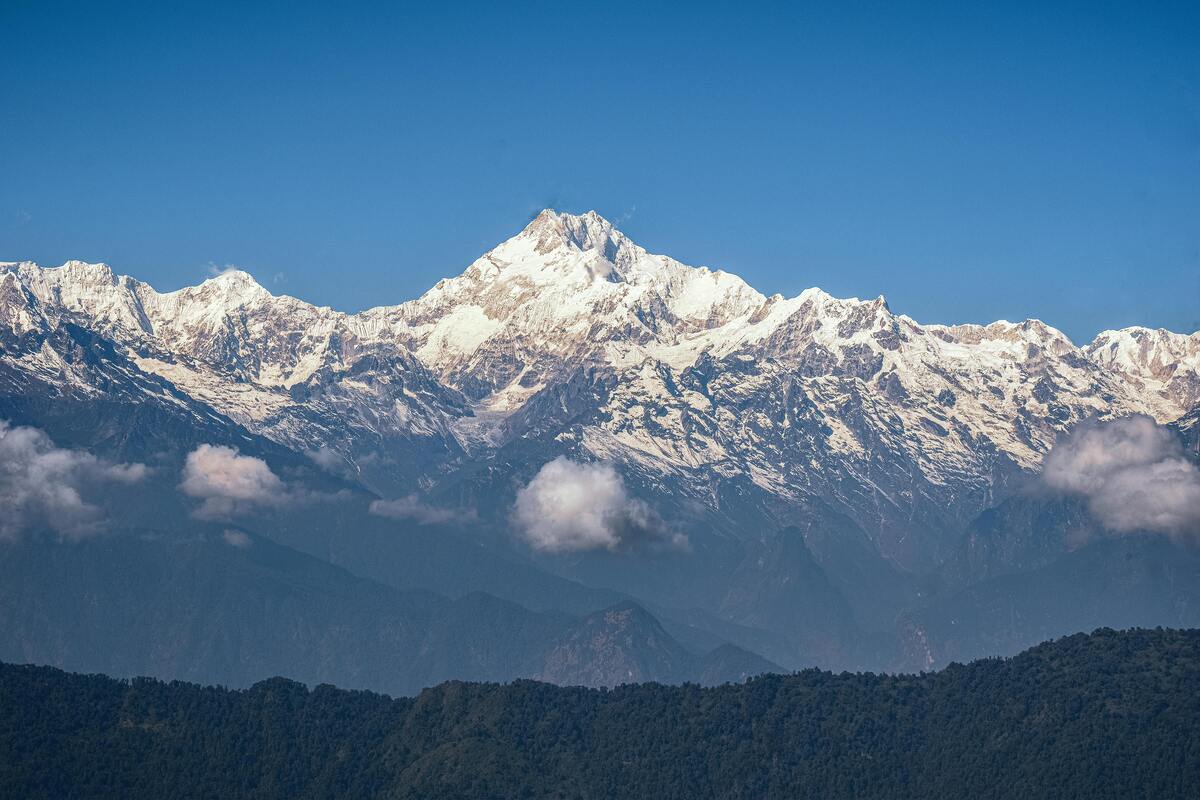
Why Himadri is the Highest Himalayan Range (Explained in a Simple Way)
Why is Himadri higher than other Himalayan ranges? Discover the simple reasons behind its height with an easy, beginner-friendly explanation.
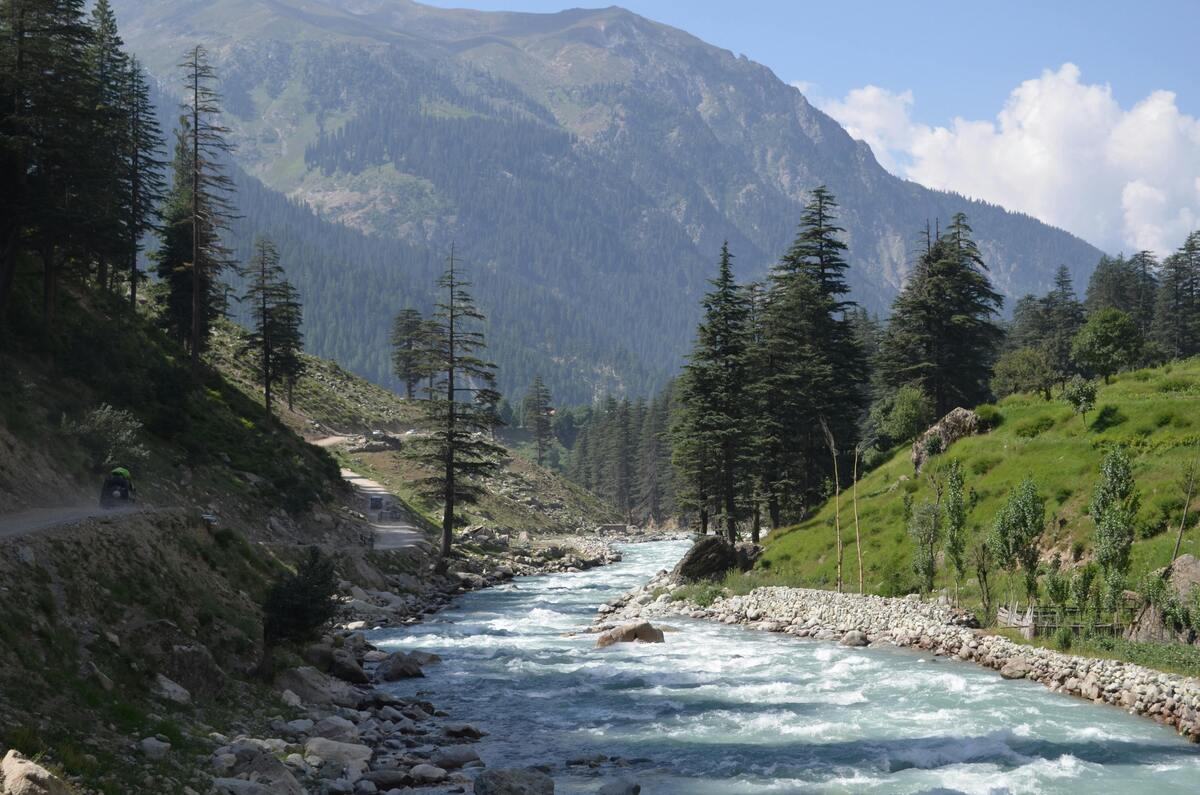
Climate Change Impact on Himalayan Rivers
Climate change is rapidly affecting Himalayan rivers like the Ganges, Brahmaputra, and Indus. Learn how glacier melting, changing rainfall, and floods threaten water security for nearly 2 billion people.
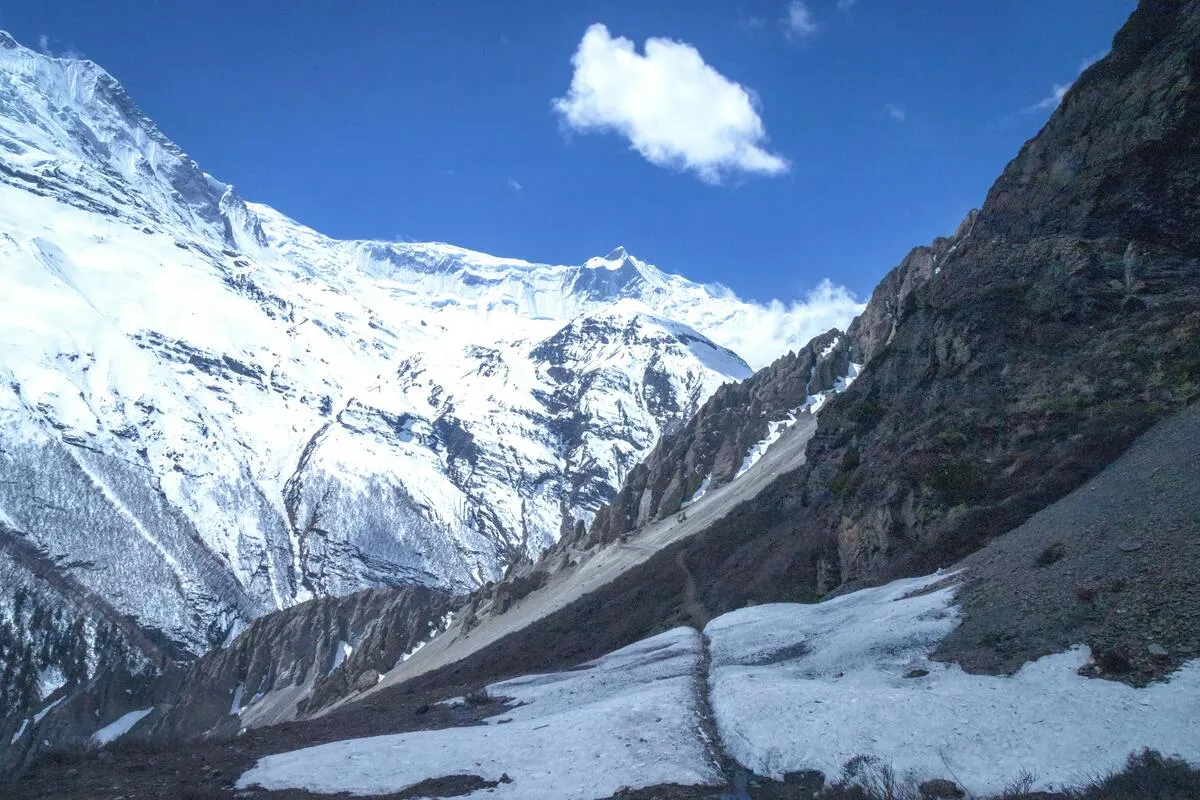
Why Himalayan Glaciers Are Melting Faster Than Ever — And Why the World Should Care
Himalayan glaciers are melting faster than ever. Discover the real causes, scientific warnings, and what glacier loss means for rivers, communities, and climate.