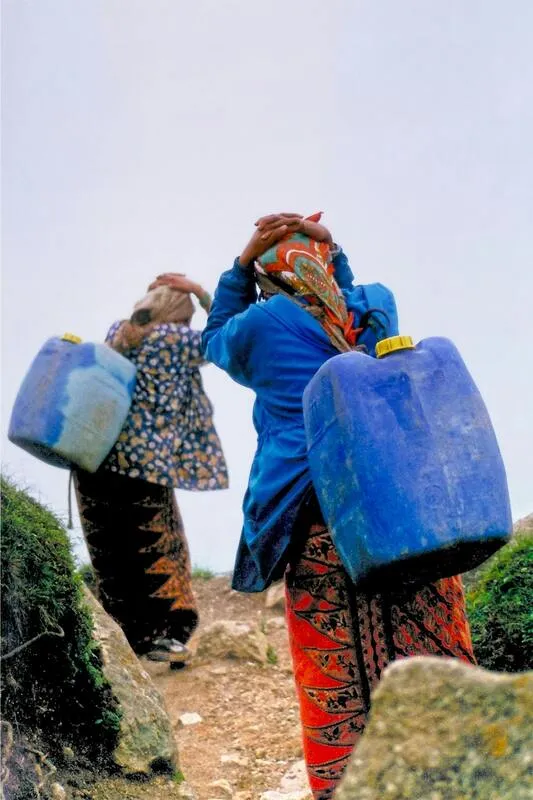
Why Himalayan Villages Are Facing Water Shortages — And How Climate Change Is Making It Worse
Introduction
For generations, Himalayan villages have depended on natural springs, glacial streams, and seasonal snowfall for their water. Crystal-clear water once flowed steadily through mountain communities, supporting farming, livestock, and daily life. But today, many of these villages are facing an alarming crisis: water shortages.
The growing water scarcity in Himalayan villages is no longer an isolated issue. It is closely linked to climate change in the Himalayan region — a change that is quietly but steadily transforming the mountains and the lives of those who depend on them.
So why are Himalayan villages facing water shortages? The answer lies in a complex mix of glacier melt, unpredictable rainfall, declining snowfall, and changing temperatures.
Let’s explore what is happening — and why it matters far beyond the mountains.
The Traditional Water System of Himalayan Villages
Before understanding the crisis, it is important to understand how water traditionally sustained Himalayan communities.
Most mountain villages rely on:
- Natural springs (locally called naulas or dhara)
- Glacial meltwater streams
- Snowfall stored in high-altitude areas
- Seasonal monsoon rains
Unlike cities, these villages do not depend heavily on pipelines or reservoirs. Their water sources are natural and directly linked to weather patterns. When the climate changes, the water supply changes too.
For centuries, this system worked because snowfall, rainfall, and seasonal cycles remained predictable. But that predictability is disappearing.
How Climate Change Is Affecting Water Sources in the Himalayas
1. Shrinking Glaciers and Reduced Meltwater
The Himalayas are often called the “Third Pole” because they contain the largest amount of ice outside the Arctic and Antarctic. These glaciers feed major rivers like the Ganga, Yamuna, and Brahmaputra.
However, rising temperatures are accelerating glacier melt. While this may temporarily increase river flow, over time it reduces long-term water availability.
As glaciers shrink, the steady supply of meltwater during dry months decreases. Villages that depend on glacial streams now experience seasonal drying.
This is one of the biggest reasons behind water shortages in Himalayan villages.
2. Declining Snowfall in the Himalayas
Snow acts as a natural water storage system. During winter, snow accumulates in the mountains. In spring and summer, it melts gradually, feeding streams and underground water sources.
But warmer winters are reducing snowfall in many Himalayan regions. Less snow means:
- Less stored water
- Earlier snowmelt
- Reduced groundwater recharge
When snowfall patterns change, springs begin to dry up.
Many villagers report that springs which flowed year-round now trickle only seasonally.
3. Unpredictable and Erratic Monsoon Patterns
Climate change is also affecting monsoon behavior.
Instead of steady seasonal rainfall, Himalayan regions are witnessing:
- Intense short bursts of rain
- Long dry spells
- Delayed or early monsoons
Heavy rainfall often runs off quickly instead of soaking into the ground. This reduces groundwater recharge and increases soil erosion.
Ironically, even areas experiencing heavy rainfall can suffer water shortages because water is not being stored naturally.
The Human Impact: Daily Life in Water-Stressed Villages
Water scarcity in Himalayan villages affects every aspect of life.
Longer Walks for Water
In many villages, women and children walk several kilometers daily to collect water from distant springs.
What was once a 15-minute task can now take hours.
This affects:
- Education (children miss school)
- Health (physical strain)
- Time for farming and other work
Agriculture Under Stress
Farming in the Himalayas is mostly rain-fed. Crops like barley, wheat, and traditional vegetables depend heavily on seasonal water availability.
When springs dry up or rainfall becomes unpredictable:
- Crop yields decline
- Livestock suffer
- Household income decreases
Water scarcity directly threatens food security in mountain communities.
Increased Migration
As water becomes scarce and farming becomes unreliable, many young people migrate to cities in search of work.
This leads to:
- Aging populations in villages
- Abandoned farmland
- Loss of traditional knowledge
Climate change is not just changing landscapes — it is changing demographics.
Why Water Shortages in the Himalayas Matter Beyond the Mountains
The Himalayas are often referred to as the “Water Tower of Asia.” Nearly two billion people depend on rivers originating in this region.
If water sources in Himalayan villages are drying up, it signals larger problems for downstream populations as well.
Reduced glacier mass and changing rainfall patterns can affect river systems across India, Nepal, Bangladesh, and beyond.
The crisis in small mountain villages is part of a much larger environmental challenge.
How Himalayan Communities Are Responding
Despite the challenges, mountain communities are not passive victims. Many are actively adapting.
Reviving Traditional Water Systems
Some villages are restoring ancient water harvesting systems, including:
- Stone channels
- Community ponds
- Rainwater storage tanks
These systems help capture rainfall and improve groundwater recharge.
Protecting Forest Cover
Forests play a vital role in maintaining water cycles. Tree roots help absorb rainfall and recharge springs.
Community forest management programs are helping protect watersheds and reduce soil erosion.
Diversifying Livelihoods
Some families are shifting toward:
- Eco-tourism
- Handicrafts
- Sustainable farming practices
Diversification reduces dependence on water-intensive agriculture.
What Can Be Done at a Larger Scale?
Addressing water scarcity in Himalayan villages requires coordinated action.
Policy-Level Solutions
- Climate-resilient water management
- Spring rejuvenation programs
- Improved rural water infrastructure
Climate Mitigation Efforts
Reducing greenhouse gas emissions globally is essential to slow glacier melt and temperature rise.
Local adaptation alone is not enough if global warming continues unchecked.
The Emotional Reality of Water Scarcity
Beyond data and science, water shortages carry emotional weight.
For villagers who have lived for generations in harmony with mountain ecosystems, watching springs dry up feels deeply personal.
Water is not just a resource — it is culture, survival, and identity.
When a spring disappears, it represents more than environmental change. It represents uncertainty about the future.
Conclusion
Himalayan villages are facing water shortages due to a combination of shrinking glaciers, declining snowfall, erratic monsoons, and rising temperatures. Climate change in the Himalayas is disrupting natural water systems that have sustained communities for centuries.
The crisis is not sudden, but gradual — a quiet transformation that affects farming, education, livelihoods, and cultural traditions.
Yet, Himalayan communities continue to show resilience. By reviving traditional water systems, protecting forests, and adapting livelihoods, they are striving to survive in a changing climate.
The future of these villages depends not only on local efforts but also on global climate action.
Because when the water towers of the world begin to dry, the ripple effects extend far beyond the mountains.
Frequently Asked Questions (FAQs)
1. Why are Himalayan villages facing water shortages?
Himalayan villages are facing water shortages due to shrinking glaciers, reduced snowfall, drying springs, irregular rainfall, and increasing temperatures caused by climate change. These changes are reducing natural water sources that communities have depended on for generations.
2. How does climate change affect water availability in the Himalayas?
Climate change increases glacier melting, alters monsoon patterns, and reduces snowfall. This disrupts the natural water cycle, leading to seasonal water scarcity in mountain regions.
3. Are Himalayan glaciers melting faster now?
Yes. Scientific studies show that Himalayan glaciers have been melting at an accelerated rate over the past few decades due to rising global temperatures.
4. What is the impact of water scarcity on Himalayan communities?
Water scarcity affects drinking water, agriculture, livestock, hygiene, and livelihoods. Women and children are often most affected as they travel long distances to collect water.
5. Can Himalayan water shortages be solved?
Solutions include spring rejuvenation projects, rainwater harvesting, sustainable tourism, afforestation, and global efforts to reduce carbon emissions.
Related Articles
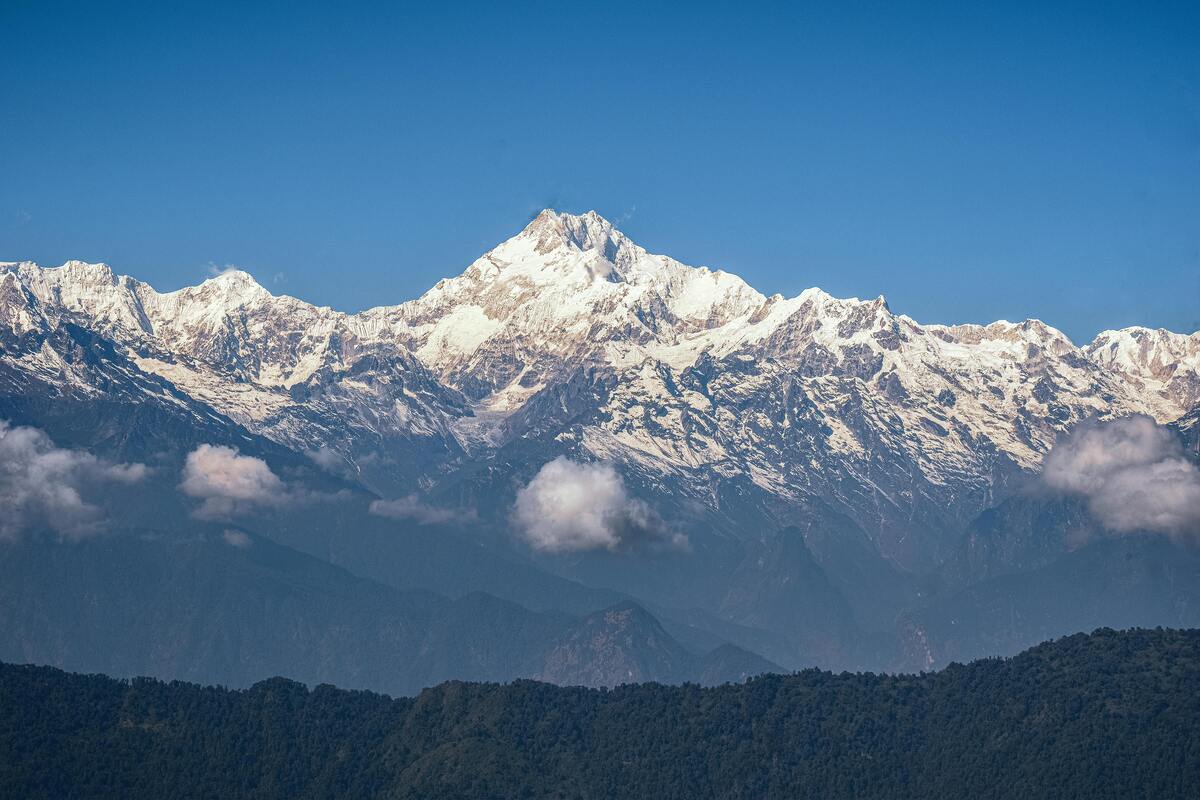
Why Himadri is the Highest Himalayan Range (Explained in a Simple Way)
Why is Himadri higher than other Himalayan ranges? Discover the simple reasons behind its height with an easy, beginner-friendly explanation.
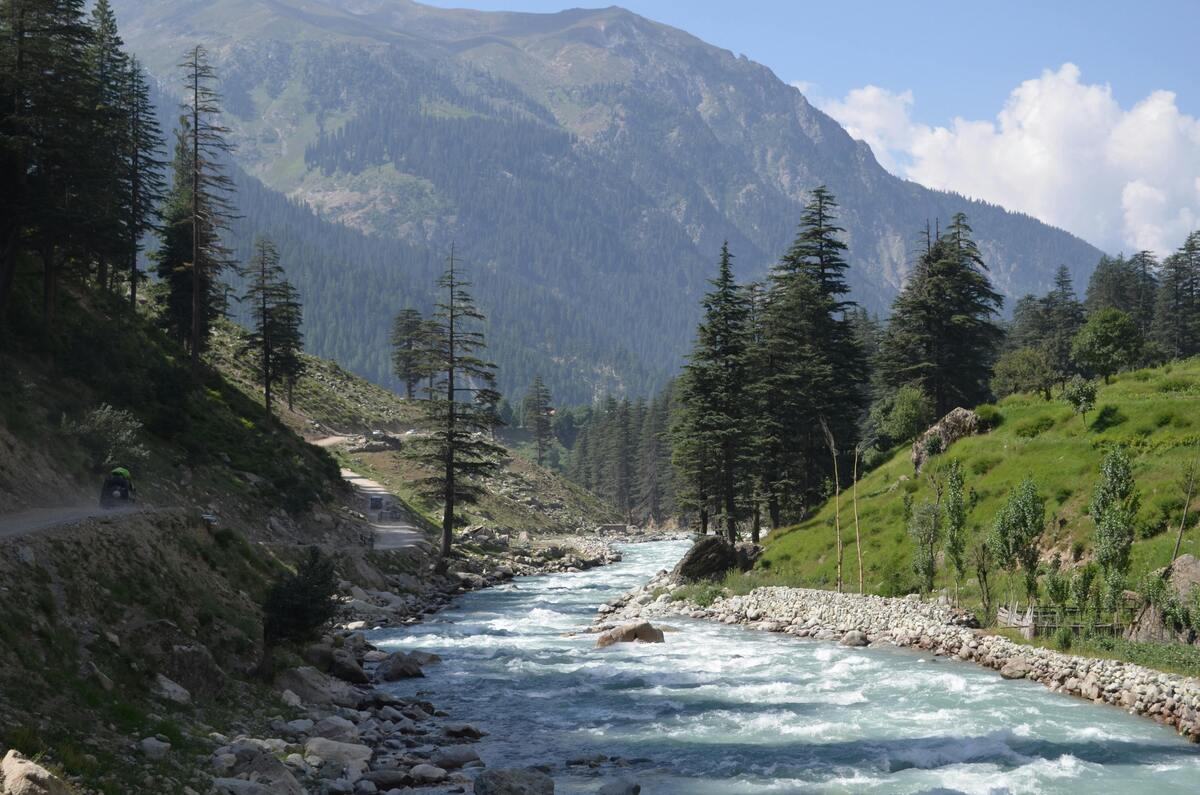
Climate Change Impact on Himalayan Rivers
Climate change is rapidly affecting Himalayan rivers like the Ganges, Brahmaputra, and Indus. Learn how glacier melting, changing rainfall, and floods threaten water security for nearly 2 billion people.
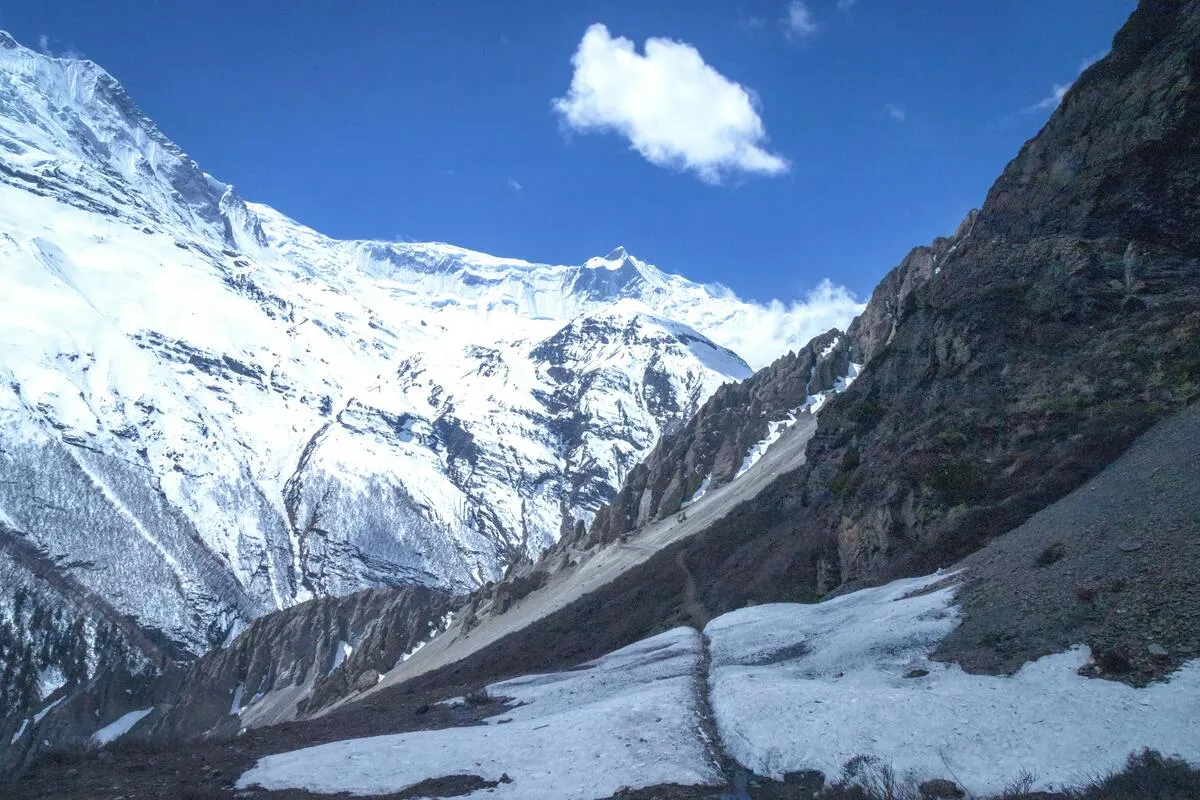
Why Himalayan Glaciers Are Melting Faster Than Ever — And Why the World Should Care
Himalayan glaciers are melting faster than ever. Discover the real causes, scientific warnings, and what glacier loss means for rivers, communities, and climate.