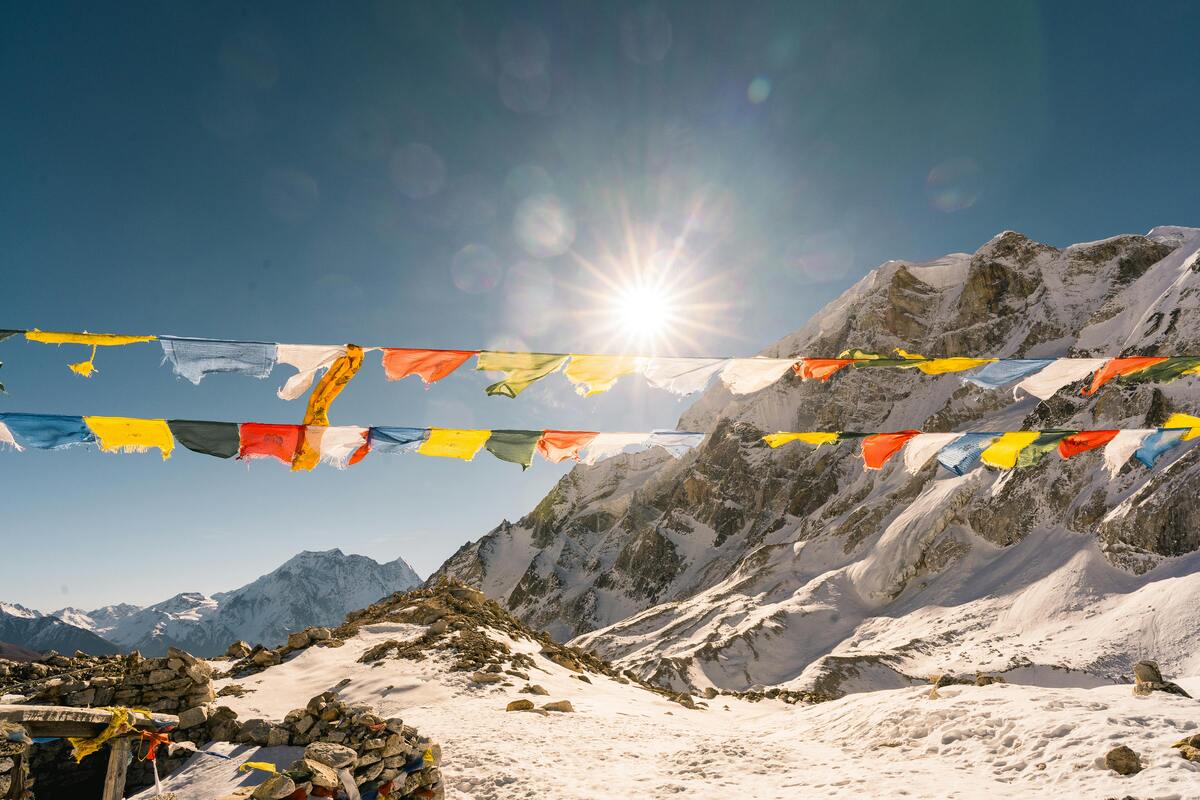
Can Adventure Tourism Survive in the Himalayas Without Harming Nature?
Introduction
Adventure tourism and the Himalayas seem made for each other. Snow-covered peaks, deep valleys, fast-flowing rivers, and remote trails naturally draw trekkers, climbers, rafters, and explorers from around the world. For many travelers, the Himalayas represent freedom, challenge, and a chance to reconnect with nature in its rawest form.
But as adventure tourism grows year after year, an uncomfortable question is becoming harder to ignore: can adventure tourism survive in the Himalayas without destroying the very landscapes that make it special?
This is not a question meant to discourage exploration. It is a question about balance, responsibility, and long-term thinking—especially in one of the most fragile mountain ecosystems on Earth.
Why the Himalayas Are Especially Vulnerable
The Himalayas may look vast and indestructible, but they are surprisingly fragile. These mountains are geologically young, prone to landslides, earthquakes, and erosion. The ecosystem depends on a delicate balance of forests, soil, water, and climate patterns.
Mountain villages rely directly on:
- Glacial rivers for water
- Forests for fuel, fodder, and livelihoods
- Narrow roads and trails for access to markets and healthcare
Unlike cities or popular lowland destinations, Himalayan regions have limited capacity to absorb large numbers of visitors. Waste disposal systems are weak, medical facilities are often far away, and environmental recovery happens very slowly. A damaged trail, polluted stream, or disturbed forest can take years—sometimes decades—to heal.
This is why the impact of adventure tourism in the Himalayas needs to be examined more carefully than in many other parts of the world.
The Rise of Adventure Tourism in the Himalayas
Over the last two decades, adventure tourism has grown rapidly across Himalayan regions. Trekking routes that once saw a few dozen visitors now welcome thousands each season. Activities like river rafting, paragliding, mountain biking, snow trekking, and high-altitude camping have become more accessible due to social media, improved roads, and commercial tour packages.
Adventure tourism has brought real benefits:
- Income for local guides and porters
- Employment in homestays, transport, and small businesses
- Improved connectivity and infrastructure
- Cultural exchange and global exposure
For many Himalayan communities, tourism is no longer optional—it is a key source of livelihood.
But growth without planning comes at a cost.
When Adventure Tourism Turns Harmful
Adventure tourism becomes destructive not because people travel, but because travel is often poorly managed.
Some of the most common issues include:
Overcrowding on Trails
Popular trekking routes experience heavy foot traffic during peak seasons. This leads to soil erosion, damaged vegetation, and widening of trails as people walk off marked paths.
Plastic and Waste Pollution
Packaged food, water bottles, and disposable gear leave behind waste that mountain villages are not equipped to manage. Plastic waste often ends up in rivers, forests, or open dumps.
Pressure on Water Resources
High-altitude regions already struggle with water scarcity. Large tourist groups increase demand for water for cooking, washing, and sanitation, often at the expense of local households.
Unsafe and Unregulated Activities
In some areas, adventure activities are promoted without proper safety standards, trained guides, or environmental guidelines. This puts both travelers and locals at risk.
Cultural and Social Disruption
When tourism grows too fast, traditional lifestyles can be pushed aside. Villages begin adapting to tourist expectations instead of preserving their own rhythms and values.
These problems raise an important point: the issue is not adventure tourism itself, but how it is practiced.
Can Adventure Tourism Be Sustainable in the Himalayas?
The short answer is yes—but only if it changes.
Adventure tourism can survive in the Himalayas if it shifts from a volume-based model to a value-based one. This means fewer people traveling more responsibly, rather than more people traveling carelessly.
Sustainable adventure tourism focuses on:
- Environmental protection
- Community involvement
- Long-term planning
- Respect for local limits
It asks not just “Is this exciting?” but “Is this appropriate for this place?”
The Role of Travelers
Travelers play a much bigger role than they often realize. Every choice—from who you book with to how you behave on the trail—creates an impact.
Responsible travelers:
- Choose local guides and operators
- Carry reusable water bottles and waste back
- Stay on marked trails
- Respect wildlife and forest rules
- Learn about local customs before visiting
Adventure does not have to mean recklessness. In fact, true adventure often comes from moving thoughtfully through unfamiliar landscapes, not rushing through them.
The Role of Tour Operators and Guides
Tour operators are the bridge between travelers and the mountains. Their responsibility goes beyond selling experiences.
Responsible operators:
- Limit group sizes
- Follow environmental guidelines
- Train guides in safety and sustainability
- Educate travelers before and during trips
- Work closely with local communities
When adventure tourism is community-led rather than externally controlled, profits stay local and decisions are more grounded in reality.
Community-Led Adventure Tourism: A Better Model
One of the most promising paths forward is community-led adventure tourism.
In this model:
- Local residents manage homestays, guiding, and logistics
- Traditional knowledge informs route planning and seasonal limits
- Tourism income supports village needs like education and healthcare
- Communities decide how much tourism is too much
This approach protects both livelihoods and landscapes. It also creates richer experiences for travelers, who gain insight into real mountain life rather than packaged adventure.
Regulation and Government Responsibility
Governments also have a critical role to play. Without clear policies and enforcement, even well-meaning tourism can spiral out of control.
Effective measures include:
- Carrying capacity limits for sensitive areas
- Seasonal restrictions based on environmental conditions
- Waste management regulations
- Mandatory guide certification
- Environmental impact assessments
Adventure tourism cannot be left entirely to market forces in a region as sensitive as the Himalayas.
Rethinking What “Adventure” Really Means
Perhaps the biggest shift needed is mental.
Adventure tourism has often been marketed as conquering mountains, pushing limits, and going faster or higher. But in the Himalayas, that mindset can be dangerous.
A more sustainable idea of adventure focuses on:
- Learning instead of conquering
- Respect instead of dominance
- Presence instead of speed
The mountains do not need to be conquered. They need to be understood.
So, Can Adventure Tourism Survive Without Destroying the Himalayas?
Yes—but only if responsibility becomes central, not optional.
Adventure tourism in the Himalayas can survive if:
- Travelers choose awareness over convenience
- Operators prioritize ethics over profit
- Communities lead tourism development
- Governments enforce sustainable policies
The future of adventure tourism here depends on whether we see the Himalayas as a playground—or as a living landscape that sustains millions of lives.
The mountains will endure in some form. The real question is whether they will remain alive, accessible, and meaningful for generations to come.
Adventure tourism does not have to destroy the Himalayas. But without conscious change, it easily can.
Related Articles
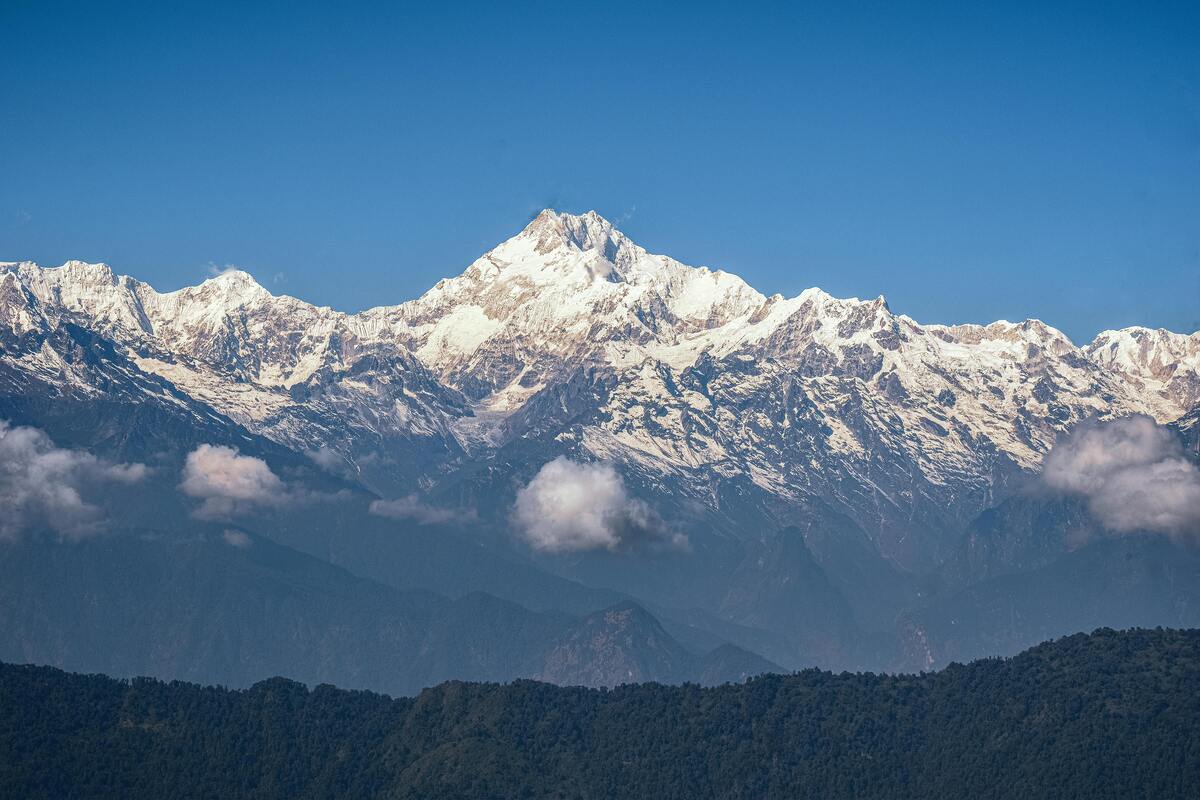
Why Himadri is the Highest Himalayan Range (Explained in a Simple Way)
Why is Himadri higher than other Himalayan ranges? Discover the simple reasons behind its height with an easy, beginner-friendly explanation.
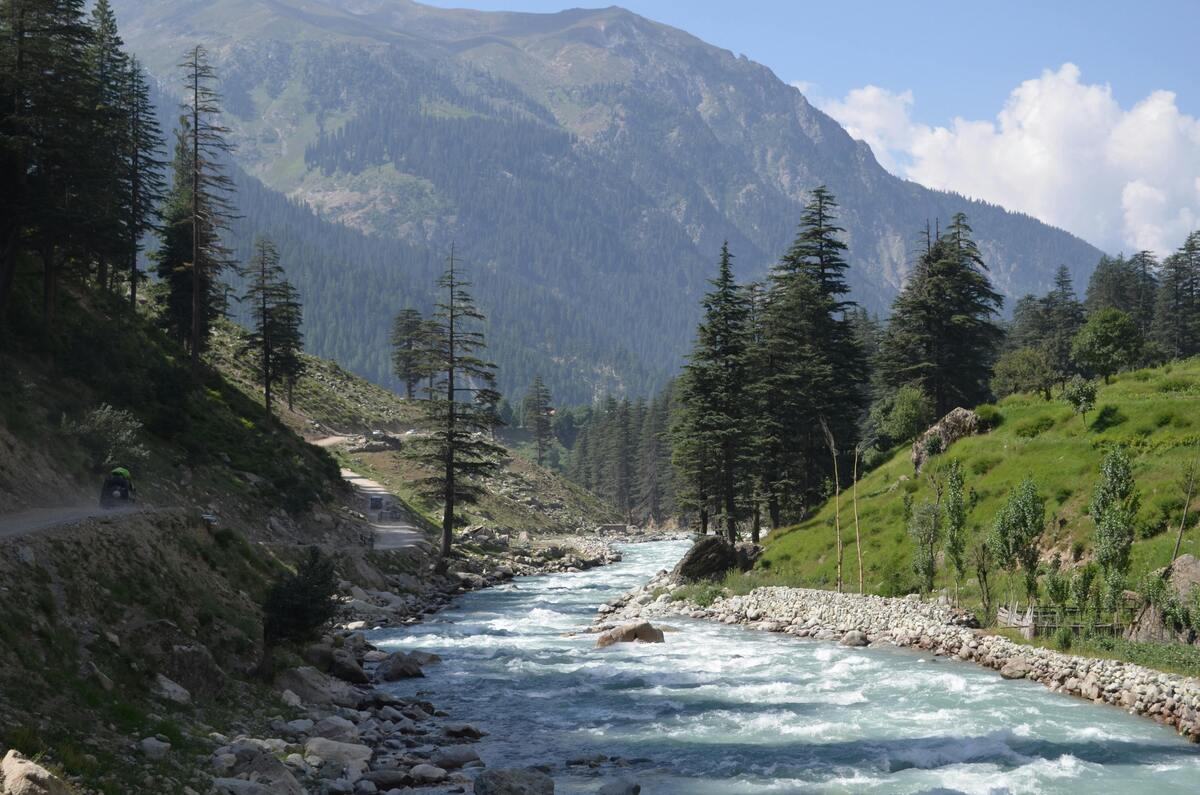
Climate Change Impact on Himalayan Rivers
Climate change is rapidly affecting Himalayan rivers like the Ganges, Brahmaputra, and Indus. Learn how glacier melting, changing rainfall, and floods threaten water security for nearly 2 billion people.
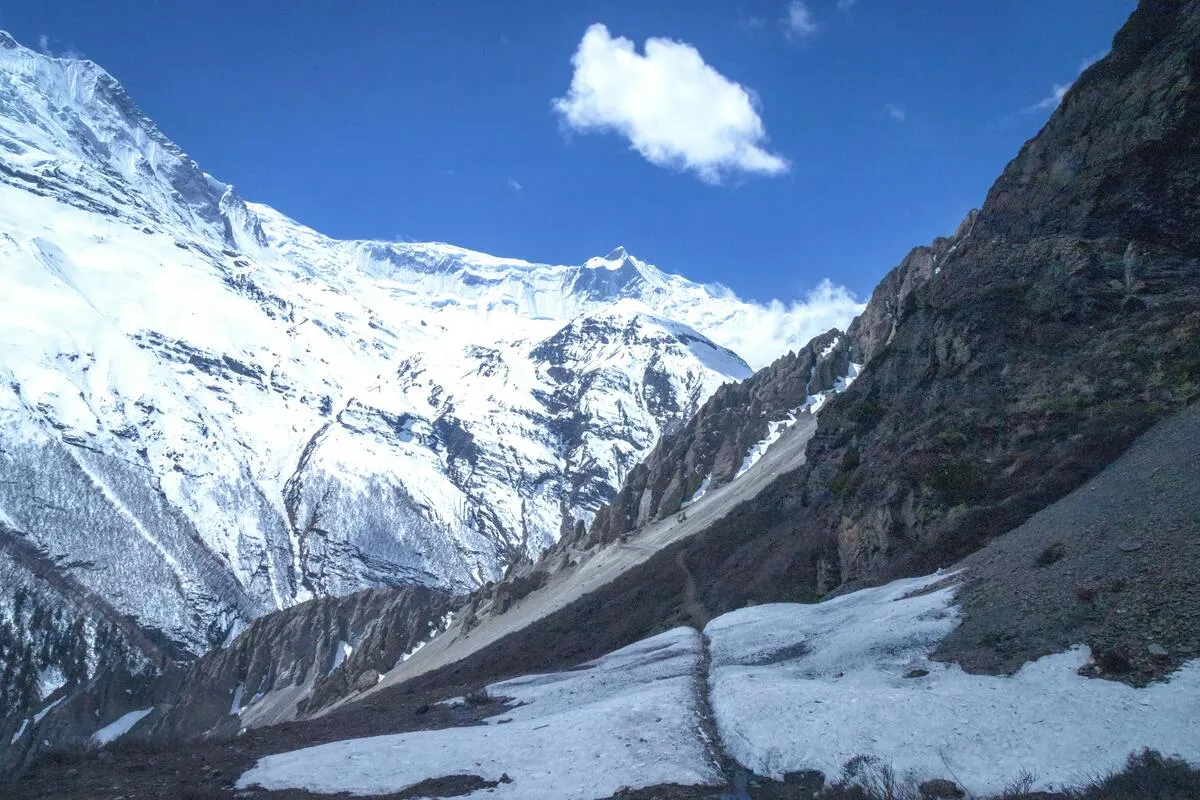
Why Himalayan Glaciers Are Melting Faster Than Ever — And Why the World Should Care
Himalayan glaciers are melting faster than ever. Discover the real causes, scientific warnings, and what glacier loss means for rivers, communities, and climate.